














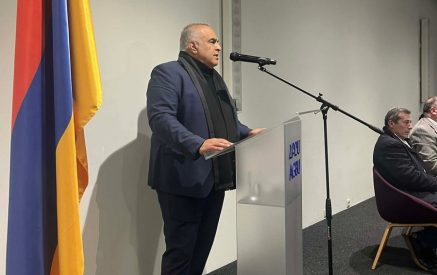

















At the sitting on November 2, the National Assembly debated in the first reading the bill on Universal Health Insurance and the legislative package that provides for amendments to more than two dozen laws. Its adoption will be followed by the adoption of sub-legislative acts.
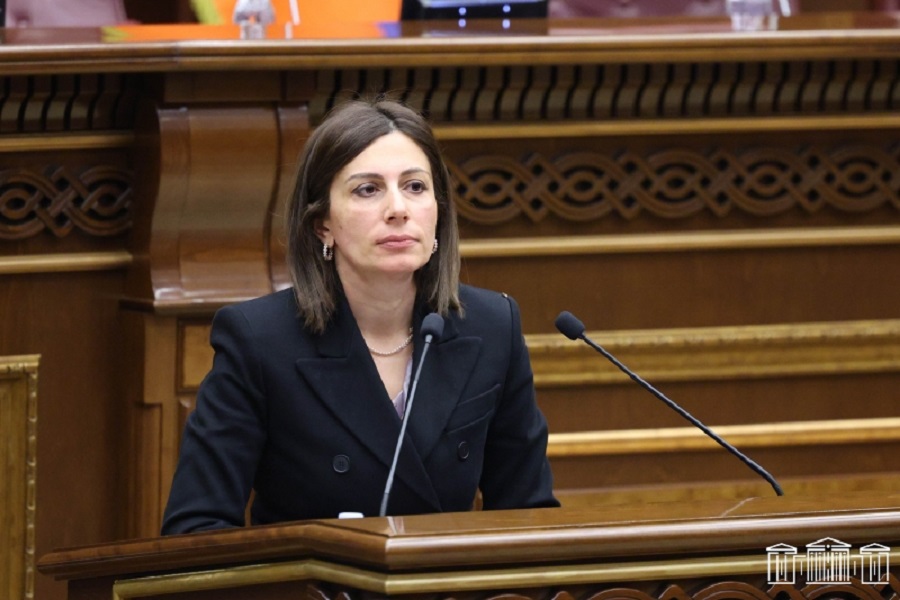
The RA Minister of Health Anahit Avanesyan reported that a universal system will be introduced in a phased format, which will ensure the satisfaction of the basic health needs of all citizens. The system is universal, will include all citizens of the Republic of Armenia, but will not cover all the health needs of all citizens and every individual. It is aimed at alleviating the main burden of morbidity and mortality, ensuring their best health outcomes.
The Minister presented the regulatory framework and concepts of the legislative package. The basic insurance notions, the concept of an insurance fund will be defined. The system is planned to be implemented over a three-year period.
In 2026, the first phase will cover two groups of the population: children under 18, citizens aged 65 and over, citizens aged 18-65 with a disability category and a functional assessment, and those with a disability score of more than 28. They will be insured by the state and the state will pay the insurance premium within the framework of the state budget.
Read also


Next are citizens with a salary of more than 200,000 drams or an income equivalent to it. Citizens earning a salary of 200,000 to 500,000 drams will have to pay 129,600 drams annually, which is 10,800 drams per month. Payment will be made on a monthly basis. The latter will pay 1,000 drams instead of the 5,500 drams currently paid to the Zinapah foundation, and the remaining 4,500 drams will be able to be directed to health insurance. Citizens receiving 200,000 to 500,000 drams within the framework of social credits will be able to receive a refund of up to 6,000 drams per month.
According to the Minister, this year there will be no additional financial burden for the above-mentioned groups.
Those receiving salaries from 500,000 to one million drams will pay 1,000 drams to the Zinapah foundation, and 7,500 drams will be directed to the Health Insurance fund. The latter will receive up to 4,000 drams per month within the framework of social credits.
Citizens receiving salaries of more than one million drams will continue to pay 15,000 drams to the Zinapah and receive only 4,000 drams within the framework of social credits.
“The cost of our insurance package, the insurance premium, is essentially fixed and identical for all citizens. Everyone pays for their own insurance and a specific package. In order to maintain the principle of social solidarity, that is, not to leave an identical financial burden for citizens with low incomes and citizens with high salaries, the Government has decided to introduce such a subsidy system,” Anahit Avanesyan noted.
The final stage starts on January 1, 2028, and by 2029 the vast majority of the population should have universal health insurance.
“Our commitment is to highlight the problems, solve them, and provide our citizens with the right to health through this system,” the Minister mentioned, explaining the opportunities provided by the system in the Q&A session and detailing the scope of services offered to different groups of beneficiaries.
It was noted that there are 700.000 children under the age of 18 in our country, and today they still benefit from the state order. That has been an important decision. Since 2019, children under the age of 18 have been included in the state order system. After that, the volume of the state order and the scope of services have increased year by year. As the first group, they will become insured by the state, and the scope of their services and the reimbursement prices within the scope of services will change. There are more than 400,000 people aged 65 and over. The latter will have the opportunity to benefit from necessary healthcare expenses. It was noted that the list of services is comprehensive, and the reimbursement prices will be determined by the state.
The Chair of the Standing Committee on Healthcare Hripsime Hunanyan qualified the initiative as a project of care and future. According to her, although the state has provided citizens with many health services within the framework of state orders, now that list is expanding. The fact that the state has freed citizens from an additional burden was emphasized. As the Committee Chair evaluated, the goal of the legislative package is to ensure access to health care and financial affordability for the population.
In their speeches the MPs touched upon the risks of expanding services and falsifying insurance packages, limiting services in terms of co-payments, compensating citizens receiving chemotherapy, and other problems in primary health care and caused by the introduction of the system. The question was raised whether regional medical institutions and polyclinics would be ready for this reform in terms of professional and technical equipment. The opinion was expressed that the introduction of the system could essentially reduce poverty. The fact of preventing health problems and the adoption of such a reform was highlighted.
The opposition MPs referred to the expediency of creating a state health insurance fund. It was noted that an uncertain situation has been created in this regard. The issue of including all persons aged 63 and over, not 65 and over, in the insurance system, and of reviewing the salaries of medical workers was raised.
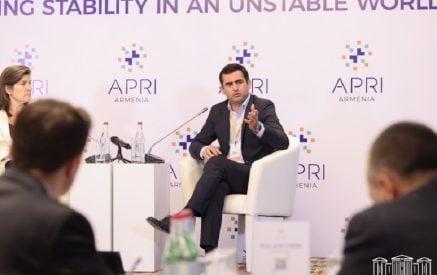
The RA NA Vice President Hakob Arshakyan, first of all, spoke about cultural peculiarities of the population, stating the habit of not getting tested on time. In his assessment, the system will bring about a cultural change, and people will go for preventive checkups.
“The second important issue is about care. We record that our citizens and businesses that work, create results, and pay taxes in Armenia, are also beginning to take a responsible approach to the health of those age groups or social groups that are either unable to work, or do not have a job, or for other reasons cannot use medical and insurance services,” the NA Vice President underscored and added that this will create opportunities for new investments in the healthcare sector.
Hakob Arshakyan attached importance to the introduction of the data-based healthcare system. In his opinion, the researches being made year by year, will give an opportunity to collect data about the health situation of the society, which, in turn, will allow properly managing the funds.
In her final speech the Minister Anahit Avanesyan answered the questions concerning the MPs.
RA NA