



























In Armenia and in the world at large, lawlessness prevails—in every sense of the word. This concerns both written and unwritten laws, or, as people sometimes put it, “red lines.” Putin believes he had the right to attack Ukraine; Trump is convinced he can kidnap the president of Venezuela and also seize Greenland from Denmark (a NATO member). That intention, by the way, means that not only does the CSTO not exist (we have learned that the hard way), but NATO itself is on the brink of collapse. The EU considers Armenia a “bastion of democracy,” even though a rigid authoritarian regime with one-man rule has been established here.
Moral and legal boundaries have disappeared within individual countries as well, Armenia included. People can spend months behind bars for using the word “buttocks,” while calls to “stone someone to death” carry no legal consequences at all. With the help of the police, the mayor of Talin decides which priest should conduct the liturgy. The prime minister effectively creates a “coordination council” attached to the government (that is, endowed with administrative and coercive levers), whose purpose is to remove the Catholicos—and then declares that he is not overstepping his authority. I won’t continue listing the abuses: everything is happening right before our eyes.
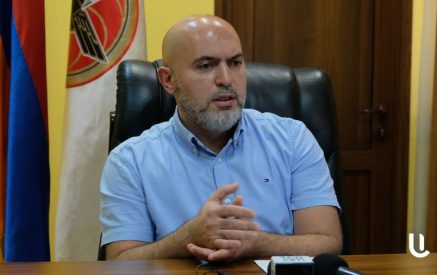
This pervasive and “multi-vector” permissiveness, of course, has its beneficiaries—first and foremost, the oligarchy. Samvel Aleksanyan, who recently received a 2-billion-dram customs privilege, as well as the Arsenyans—now the self-styled “feudal lords” of Jermuk and, increasingly, of Vayots Dzor—used to serve the Republican Party; today they serve Pashinyan. It’s clear why. Or take the MPs and other state officials who receive “low” salaries of 800,000 drams plus bonuses. Or the employees of state and private institutions who live far worse and are forced to obey the boss’s instructions. There are also people who have fallen victim to aggressive state propaganda.
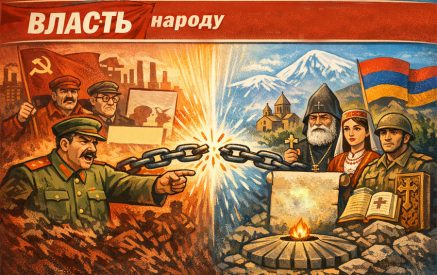
But I do not believe that this group—what Civil Contract calls “the people”—is significantly larger than us, those who, seeing the erasure of all kinds of legal and moral “red lines,” try in one way or another to resist it.
Read also
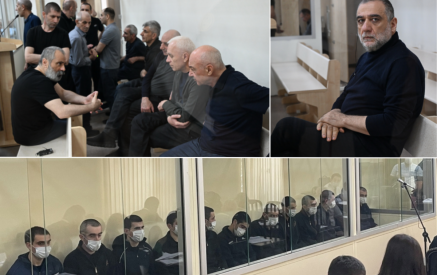
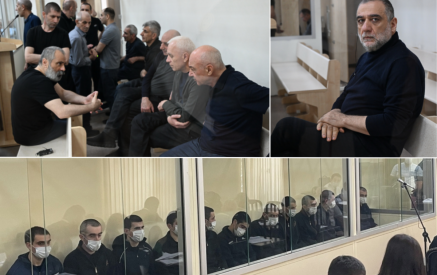
No. In reality, the main mass is neither on this side nor on that one; it consists of the indifferent and the conformists, who are utterly uninterested in laws or moral norms. On this subject, I suggest reading the article by Vahan Zanoyan published in our newspaper about Ruben Vardanyan: I am not calling on anyone to make the kind of sacrifices Ruben has made. It is simply important to bear in mind that such people do exist.
Aram ABRAHAMYAN