































In my youth—at least in the environment I grew up in—certain principles were promoted, with a rather mixed genealogy. They drew both on clan-based and national traditionsThey drew both on clan-based and national traditions (“you come from good stock, Arsen Varunts, we built churches”—a quote from The Song of First Love, a classic Soviet Armenian film from 1958), as well as on a particular, selectively understood and reworked set of Christian and—don’t be surprised—Communist principles. The Communist regime, of course, committed numerous crimes, but what it preached—perhaps hypocritically—did contain some positive meaning: loyalty to friends, honesty, and not chasing material wealth. Yes, these principles were violated daily in the crudest ways—people wrote denunciations, stole, and got rich—but in the souls of many, those aforementioned principles, seasoned, I repeat, with national, clan, and religious traditions, did sow some good seeds.
During the post-Soviet decades, I fear, no such seeds were sown. When I see middle-aged teachers, lecturers, or clergymen—people in their thirties or forties—who, at the prompting of the National Security Service or some other state body, write denunciations or make statements of the same content in the basest Soviet style, I feel that both evangelical and secular commandments have passed them by. Of course, the current authorities greatly contribute to this atmosphere: they actively encourage “snitching”—“do you know what this person said during class, or what that one was talking about while drinking coffee at work?”
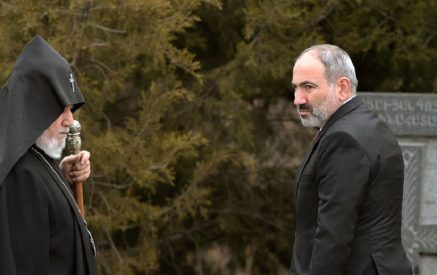
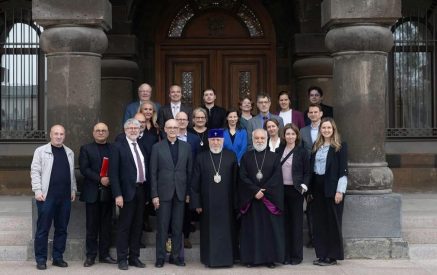
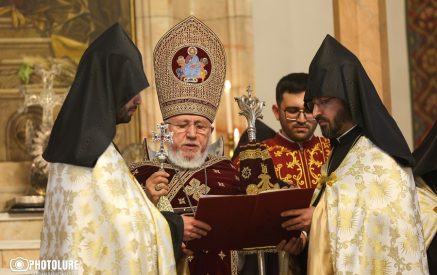
But I am against blaming everything on the authorities alone—that somehow absolves us of responsibility. Those clergymen who sign the paper initiated by Pashinyan and aimed at the removal of the Catholicos are, to me, also denunciators. By signing it, they are effectively saying: “Pashinyan is right to imprison clergymen; he is right to force (including through the NSS) the omission of the Catholicos’s name during the Divine Liturgy; he is right to decide who may be defrocked and who may not, who may be appointed a diocesan primate and who may not.” This is no different from the letters sent to the newspaper Pravda in the 1930s, in which the ‘snitches’ of that era applauded the repression carried out against the so-called “enemies of the people.”
So let them not play the fool by inventing absurd justifications.
Read also
Aram ABRAHAMYAN