
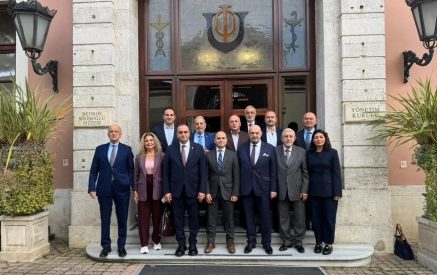








































Human Rights Defender Anahit Manasyan is on a working visit to Nicosia to participate in the international conference entitled “The Ombudsman Institution in a Changing Democratic and Human Rights Landscape,” marking the 35th anniversary of the establishment of the Ombudsman institution of the Republic of Cyprus.
The conference discussions focus on the evolving role of Ombudsman institutions, the expansion of their mandates, the strengthening of their independence, the effective implementation of their recommendations, and the enhancement of public trust.
Opening addresses were delivered by Maria Stylianou-Lottides, Commissioner for Administration and the Protection of Human Rights (Ombudsman) of the Republic of Cyprus; Demetris Demetriou, Chair of the relevant parliamentary committee of Cyprus; and Reinier van Zutphen, President of the European Region of the International Ombudsman Institute and National Ombudsman of the Netherlands.
Anahit Manasyan was invited to speak at the first session, entitled “From Complaints to Impact: The Evolving Role of Ombudsman Institutions,” presenting the experience of Armenia’s Human Rights Defender institution and her own experience as Human Rights Defender in bringing about systemic changes in the field of human rights. Other speakers at the session include Reinier van Zutphen, National Ombudsman of the Netherlands; Joseph Zammit McKeon, Parliamentary Ombudsman of Malta; and Carmit Fenton, Director General of the Office of the Ombudsman within Israel’s State Comptroller and Ombudsman institution.
Read also
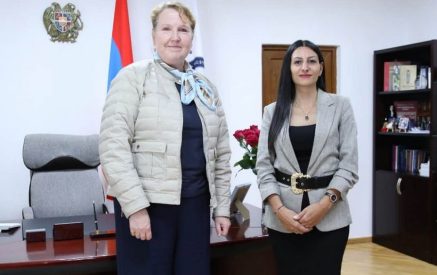

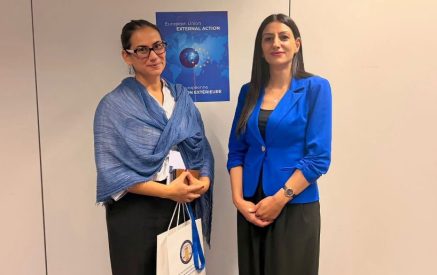
The Defender congratulated the Ombudsman of the Republic of Cyprus and her team on the institution’s anniversary, wishing them continued success in protecting and promoting human rights.
In her address, Anahit Manasyan stressed that recurring complaints about the same issue point to systemic problems. The effectiveness of these institutions therefore cannot be assessed solely by the number of individual cases resolved; it is also necessary to consider the conceptual changes achieved in addressing systemic problems.
In this regard, the Defender noted that the implementation rate of the institution’s recommendations on systemic issues by public authorities has increased significantly during her tenure: approximately 70 per cent of the previous year’s systemic recommendations have been fully or partially implemented.
Anahit Manasyan presented examples of systemic changes resulting from the examination of individual complaints.
The Defender particularly emphasised that criticism by an Ombudsman institution should serve to identify and remedy human rights violations, rather than become an end in itself. The Human Rights Defender should also support public authorities in identifying problems and addressing them through a professional approach.
According to Anahit Manasyan, institutional independence requires freedom from external interference, but does not imply isolation from other institutions. Effective human rights protection requires combining independence with constructive cooperation with all relevant actors.
“We must be principled and courageous enough to raise any issue of concern, while remaining flexible enough to negotiate effectively on mechanisms for resolving it,” Anahit Manasyan emphasised.
Addressing the prerequisites for systemic change, the Defender noted that problems cannot be resolved using the same mindset and approaches under which they arose. A conceptual shift is also needed in how human rights and the means of protecting them are understood.
Human Rights Defender of Armenia