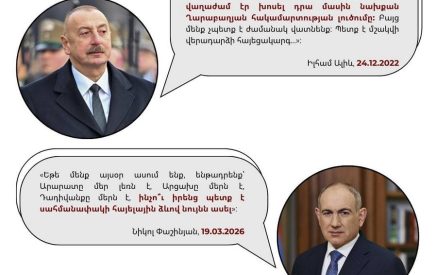







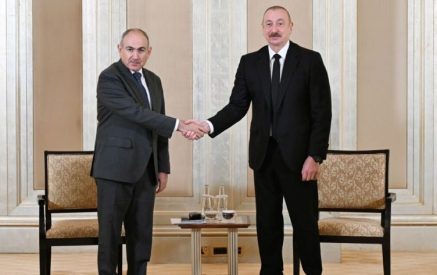


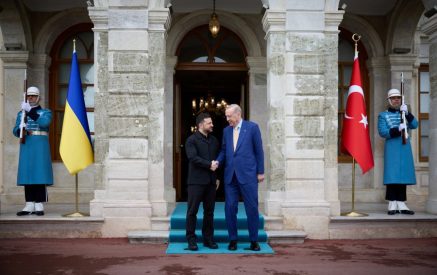






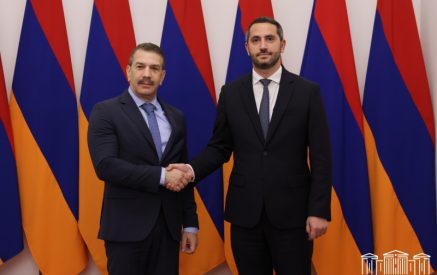



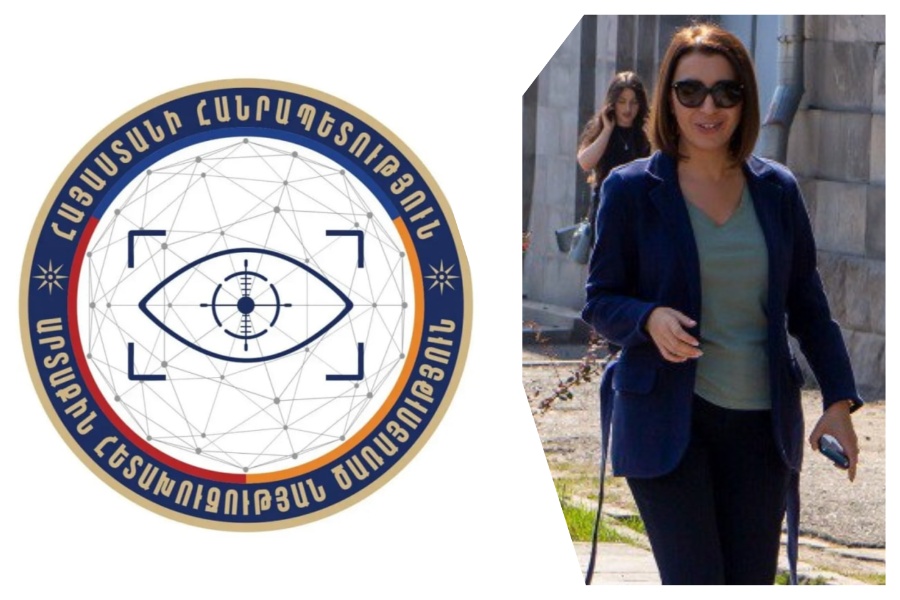
Hakan Fidan, J. D. Vance and several senior European Union officials have publicly and explicitly stated that they would prefer to see Nikol Pashinyan re-elected. When Armenia’s Foreign Intelligence Service of Armenia “raises the alarm” that the upcoming parliamentary elections could face “external interference,” it most likely does not have Turkey, the United States, or the EU in mind. One may reasonably assume that the “intelligence officers” in the agency headed by Kristinne Grigoryan are not reporting to her about threats coming from Azerbaijan either.
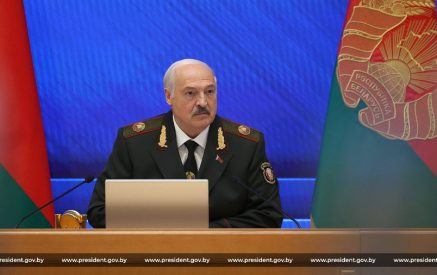
By process of elimination, it seems our intelligence officers believe that the main threat to our country’s democracy comes from Russia. Perhaps also, to some extent, from Belarus, since Ms. Grigoryan’s boss, while complaining in Strasbourg about Armenian clergymen and opposition figures, also mentioned a “pro-Belarusian oligarch,” clearly referring to Gagik Tsarukyan.
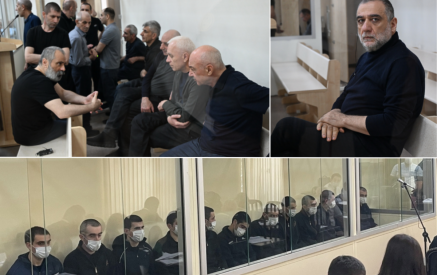
Apparently, Pashinyan has built such a robust “democracy” that he can keep the leader of the main political force expected to challenge him in the upcoming elections behind bars for months, along with several other opposition figures and clergymen. The EU encourages this “democracy.” But does Russia—where essentially the same authoritarian system has long been entrenched—actually try to obstruct it?
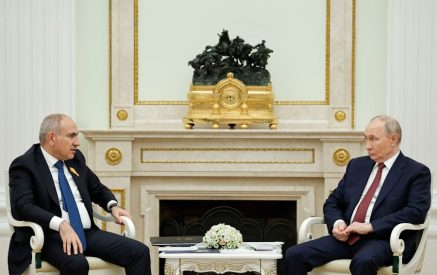
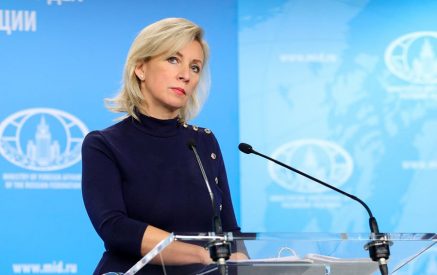
Unlike Fidan, Vance, Kaja Kallas and others, Vladimir Putin, Sergey Lavrov or Dmitry Peskov have neither declared nor even hinted that they prefer any particular outcome in Armenia’s upcoming parliamentary elections. One might therefore assume that the issue does not particularly interest them—at least not nearly as much as it seems to concern the Western leaders mentioned above. As I have said many times before, if Pashinyan does not actively help Russia, he certainly does not hinder it.
Read also
The “Russian threat” has been invented by Pashinyan’s propaganda purely for domestic consumption—to feed naïve citizens the fairy tale about those who supposedly want to turn Armenia into a Russian “guberniya.” And the foreign intelligence service, instead of minding its own business, busy acting as an instrument of that propaganda.
Much like the majority of investigators in the Investigative Committee of Armenia and the Anti-Corruption Committee of Armenia, who, instead of investigating real criminal cases, spend their time fabricating criminal cases on Pashinyan’s orders
Aram ABRAHAMYAN