









In this case, the ban on words comes from Turkey and Azerbaijan
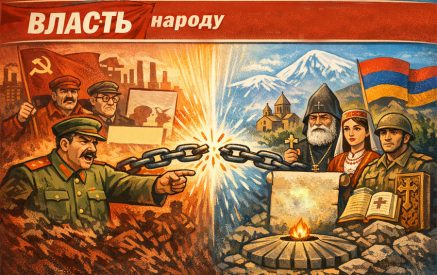
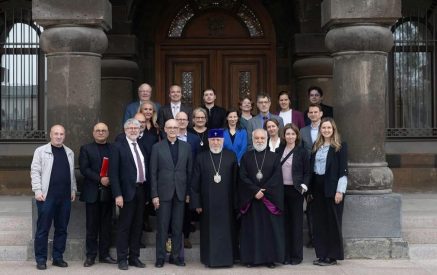
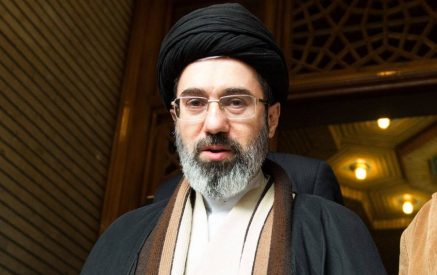
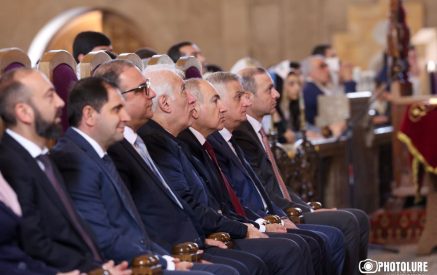
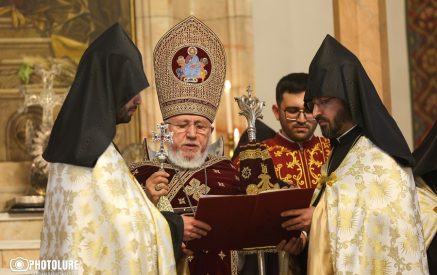
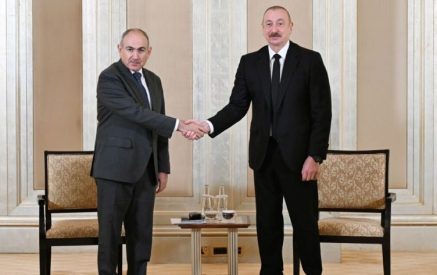
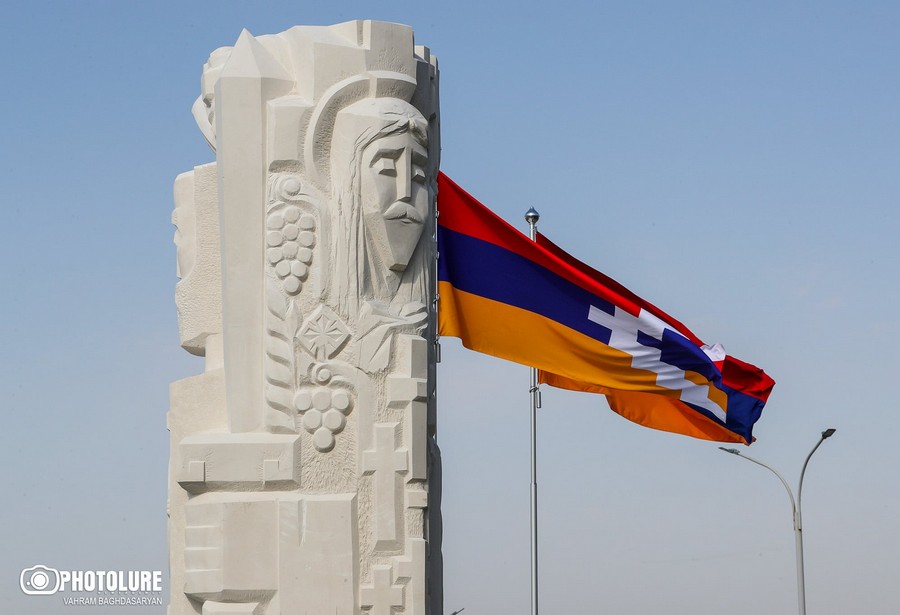
The authorities under Nikol Pashinyan have effectively turned the word “Artsakh” into a taboo, claiming that using it in the public sphere is tantamount to calling for war. For now, there is no direct criminal liability for saying it. But merely uttering the name “Artsakh” allows the prime minister, from a high European podium, to declare that several clergymen have joined what he calls the “party of war.” The claim is justified by the fact that this place name—so detested by both Ilham Aliyev and Pashinyan— is mentioned during church services. From that same podium, such claims indirectly serve to justify repression against the clergy.
Why do authoritarian regimes ban words in the first place? The reason is simple: people think through language—we simply cannot think otherwise. In Nineteen Eighty‑Four, George Orwell describes how certain words are banned in Oceania—for example, the word “freedom”—so that people would be unable even to formulate thoughts about it. That is precisely why the regime introduces “newspeak,” a language that is much more primitive and unambiguous, and which is meant to gradually replace ordinary English.
Another British writer, Aldous Huxley, imagined a similar dystopia in Brave New World. There, the words “father” and “mother” are considered indecent because children are raised in laboratories. Not knowing one’s own parents or roots turns people into dull—yet supposedly very “happy”—tools in the hands of the authorities. Huxley’s “prophecy,” made almost a century ago, oddly resonates with today’s members of the ruling Civil Contract Party, whose identity, it sometimes seems, was formed during a few weeks of Western workshops.
Read also
The authors of these dystopias, of course, did not invent their “predictions” out of thin air. In a sense, they summarized tendencies already visible in their societies—tendencies that would later take concrete form in Nazi Germany and the Soviet Union.
The Bolsheviks, for example, banned the public use of words such as “famine,” “unemployment,” and “disaster” when referring to Soviet realities. Meanwhile, in the Third Reich, the Nazis believed that words like “crisis,” “defeat,” and “democracy” should not exist in the vocabulary of Germans.
There were less well-known cases as well. In the Romania of Nicolae Ceaușescu, undesirable words included “poverty” and “shortage”—the goal was to create the illusion of a prosperous country at a time when the deepening crisis was obvious. Journalists were also “advised” not to use the word “winter,” since cities regularly suffered heating failures during that season.
In the Chile of Augusto Pinochet, the word compañero (“comrade”) was viewed with suspicion, as it hinted at “leftist,” Marxist sympathies. And when a military junta came to power in Argentina, it banned the word desaparecidos (“the disappeared”)—precisely because people inconvenient for the regime had a habit of disappearing.
In the Russia of Vladimir Putin, the words “war,” “invasion,” and “aggression”—which accurately describe that country’s actions against Ukraine—are not merely discouraged; people can be imprisoned for using them.
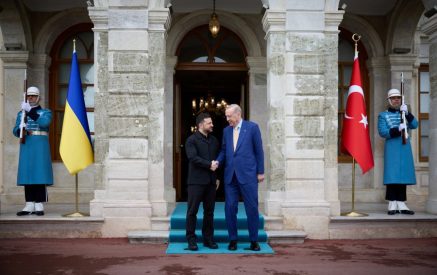
All the cases of word taboos described above are, of course, alarming. But it becomes even more disturbing when the ban does not originate within the country itself, but comes from neighboring states. That is exactly our case.
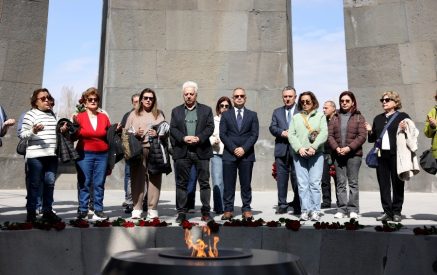
I have little doubt that the next banned word will be “genocide,” since it, too, is offensive to Turkey and Azerbaijan.
…And later, if Pashinyan’s regime becomes fully “institutionalized,” we may well borrow a page from North Korea. There it is forbidden to refer simply to Kim Jong Un; one must list all his titles and add at least the phrase “Dear Leader.” So if the rule of the Civil Contract party continues to reproduce itself, Pashinyan will probably be addressed as something like: The Great Strategist Who Brought Peace.
Aram ABRAHAMYAN