

























On the Occasion of International Antiсorruption Day
Every year since 2003, on December 9, many countries around the world observe International Antiсorruption Day. As studies and published reports demonstrate, despite the efforts and initiatives undertaken by national governments, parliaments, anticorruption bodies, the media, civil society, as well as international organizations, corruption continues to pose a serious global challenge. It undermines citizens’ trust in public institutions and places democratic institutions and values at particular risk.
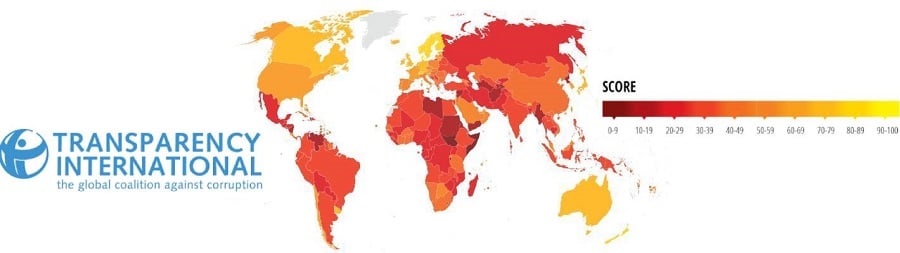
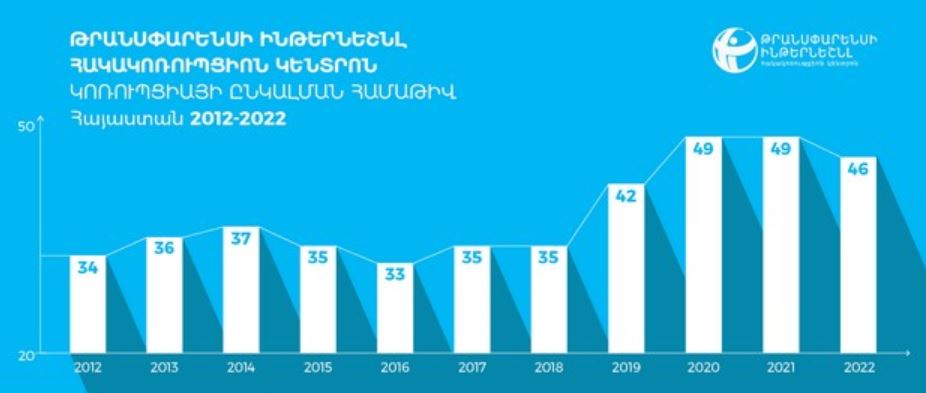
According to data published in early 2025, Transparency International’s Corruption Perceptions Index (CPI) score for Armenia in 2024 remained unchanged compared to 2023—at 47 points—indicating that no progress has been recorded in the fight against corruption over the past year.
Data released in June 2025 by the International Republican Institute (IRI) from its public opinion research show that public trust in key state institutions continues to remain low. According to public perception, infrastructure improvement programs are the most visible achievements, whereas only 3% of respondents identified the effectiveness of anticorruption measures as an accomplishment. At the same time, only 4% of those surveyed stated that the failure to combat corruption constitutes the government’s greatest shortcoming. These figures demonstrate that the public is largely uninformed about and disengaged from the fight against corruption.
The 2025 monitoring report of the OECD Anti-Corruption Network which provides the most comprehensive assessment of anticorruption performance among CIS countries evaluates the progress of anticorruption reforms in Armenia while also identifying numerous implementation-related shortcomings.
The lack of effectiveness in recent reform efforts in Armenia is reflected not only in indicators pertaining to the fight against corruption, but also across nearly all international indices related to public governance and the democratic agenda. This overall picture of stagnation should serve as a clear signal to the authorities that there are systemic issues in current policies, and that it is urgent to identify these problems, analyze their causes, and take concrete action to achieve genuine and sustainable results that meet public expectations.
Read also

In 2025, public attention was focused on the selective application of the law against political opponents, the use of disproportionate legal measures, the practice of wiretapping and unauthorized disclosure of recordings, and the lack of effective proceedings in corruption cases involving high-level officials, including cases related to the confiscation of property of illicit origin. The disregard of cases involving individuals with close ties to those in power, as well as the absence of transparency in the management of assets returned to the state and municipalities through confiscation, has undermined public trust in the justice system and has devalued the very notion of democratic and anticorruption reforms.
It is concerning that high-ranking representatives of the ruling political party have harshly intervened in the affairs of the Holy Armenian Apostolic Church and have engaged in the targeting and stigmatization of independent media outlets and journalists. The non-transparent processes of decision-making particularly in appointments to key positions also remain problematic, giving rise to suspicions of favoritism.
Equally deplorable are manifestations of the intertwining of business and politics, including the acquisition of economic privileges through political financing, the endorsement of problematic projects involving the exploitation of natural resources, and the patronage of questionable business ventures under the pretext of “economic development,” often in disregard of public opinion and human dignity.
The year 2026 will be a decisive one for Armenia. Parliamentary elections and subsequently local self-government elections are expected to take place, serving as an important test for the country’s democratic consolidation. However, there are critical systemic issues that place at risk both the legality of the elections and public perceptions of their integrity.
A major challenge is ensuring transparency in political party financing. Yet, due to legislative amendments adopted in 2024, party finances during the electoral period will be inaccessible not only to the public but also to state oversight bodies.
Additionally, the contributions of third parties who are effectively involved in the campaign, including affiliated media outlets, foundations, and observer organizations remain unregulated and unrestricted. This creates conditions that enable illicit financing and external political influence.
Widespread and unpunished abuses of administrative resources continue to distort political competition and cast doubt on the fairness of elections. Criminal cases concerning unlawful financing or the involvement of individuals linked to the ruling party in campaign activities are either not pursued or are discontinued, undermining public trust in law enforcement institutions.
Ahead of 2026 the primary responsibility of the Government of Armenia, the Parliament, and the relevant state institutions must be to ensure the organization of free, fair, and transparent elections, and to safeguard legality both on election day itself and throughout the pre-election and post-election periods. In this respect, issues related to political corruption within the electoral process require urgent legislative solutions to establish effective safeguards for the protection of the country’s democracy and sovereignty.
In the current period, marked by significant challenges for our country and by vulnerable geopolitical conditions, the restoration of trust in public institutions and the strengthening of public cohesion are critically necessary and urgent. Armenia’s democratic future depends on the extent to which institutions and processes serve the public and the public interest in an impartial manner.
To achieve progress in the fight against corruption, the authorities must demonstrate strong political will by ensuring the equal application of the law to all, eliminating selective justice, strengthening conflict of interest prevention mechanisms, and ensuring their full and effective implementation. It is of utmost importance that state bodies respond adequately to potential corruption-related or other cases involving representatives of incumbent high-level public officials, as this would signal a coherent policy aimed at responsible and accountable governance and dispel doubts regarding selective justice.
The recovery of assets of illicit origin for the benefit of the public, along with transparency and participation in these processes, is of essential importance. From the perspective of strengthening democracy, it is crucial to demonstrate a genuine willingness to listen to and consider the voice and opinions of citizens, and to establish and apply effective mechanisms for this purpose. Equally important is for public officials to maintain a respectful attitude toward independent media and civil society organizations, to refrain from actions that divide society, and to promote dialogue and consensus-building around shared values.