







































Leonid Nersisyan, Senior Advisor
The US–Israeli military operation shows, once again, significant technological differences between the two sides, as well as deep flaws in Iranian counterintelligence that eliminated most of the Iranian leadership. Having said that, aerial strikes per se can’t win wars, and Iranian forces have been able to switch to the “mosaic defense” concept, whereby local troop commanders are granted full autonomy. The prospects for the military campaign are still not clear. For now, both sides can wage war for several weeks, after which depletion of munition stockpiles will either bring about a lower intensity phase or lead to the end of hostilities.Another possible, though unlikely, scenario is a prolonged escalation involving ground forces and U.S. allies in the Middle East, which would take months due to the need to deploy hundreds of thousands of troops.
Sergei Melkonian, Research Fellow
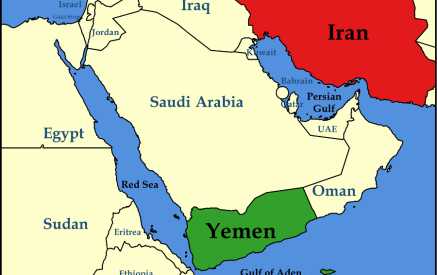
Ultimately, outcomes will be shaped by the interplay between internal stability, the balance of power, and the capacity to manage escalation. Three dynamics must be watched for. First is the situation on the ground—specifically, the Iranian authorities’ ability to retain territorial control, maintain stability within the country, and keep the security services and administrative system cohesive. Second is the balance between the offensive and defensive capabilities of Iran, Israel, and the United States, respectively, particularly given resource limitations. Third is the potential involvement of other regional and non-regional actors and the expansion of the confrontation.
Read also
Benyamin Poghosyan, Senior Research Fellow
The impact of US and Israeli military action against Iran on Armenia and the South Caucasus will depend on the outcome of hostilities. If the Iranian state apparatus remains functional and Iran avoids internal destabilization or fragmentation, the impact on Armenia may be minimal, with only a temporary decline in export/import operations through Iran. However, if chaos prevails in Iran, Armenia may face longer term disruption and the influx of Northern Iranian refugees, which may create socioeconomic complications for Armenia. The prospect of the establishment of a Southern Azerbaijan entity along the Armenia–Iran border is another challenge Armenia should be ready to face in case of the collapse of the Iranian state.
APRI Armenia