







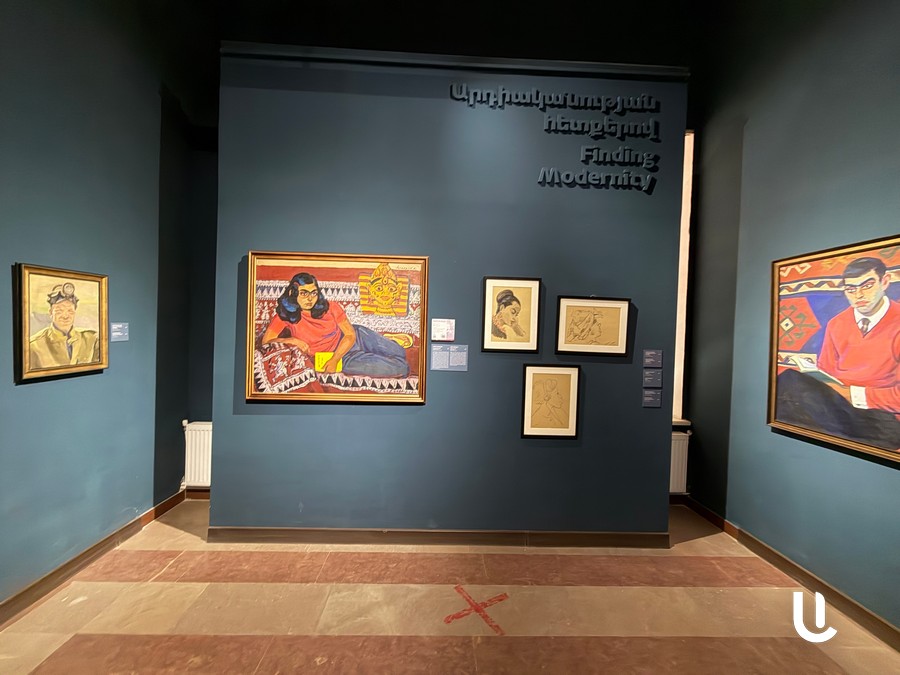
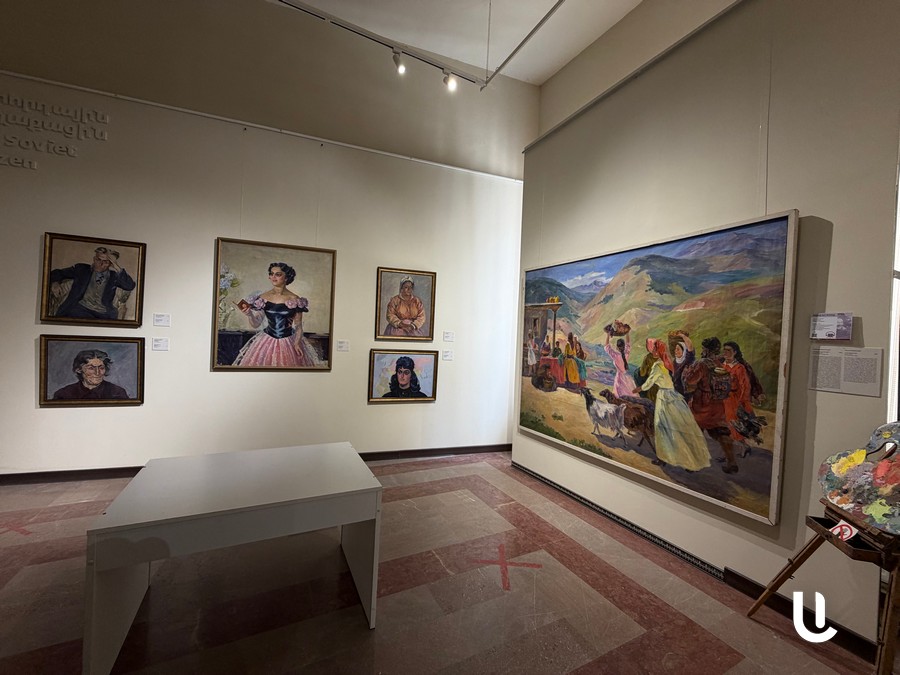
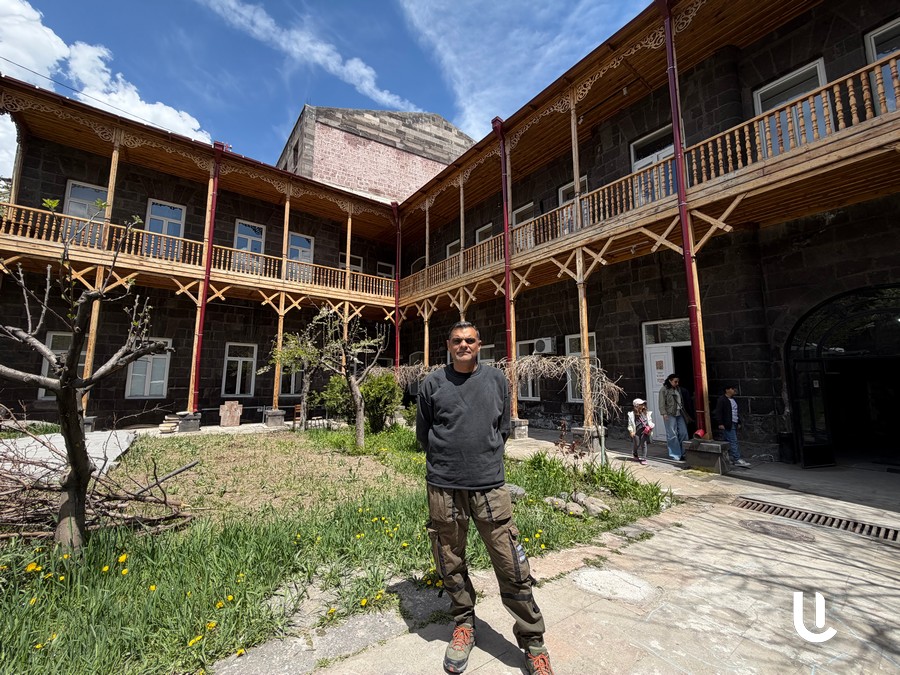
In the heart of Gyumri, one of the Armenia’s most visited cultural destinations, the Aslamazyan Sisters Gallery is preparing to transform its long-unused attic into a new Community Art Lab. The space is expected to become a creative hub for artists, a venue for cultural exchange, and a meeting point for the city’s independent creators.
Once completed, the project will turn a previously abandoned part of the gallery into a fully equipped creative infrastructure for the city.
Read also

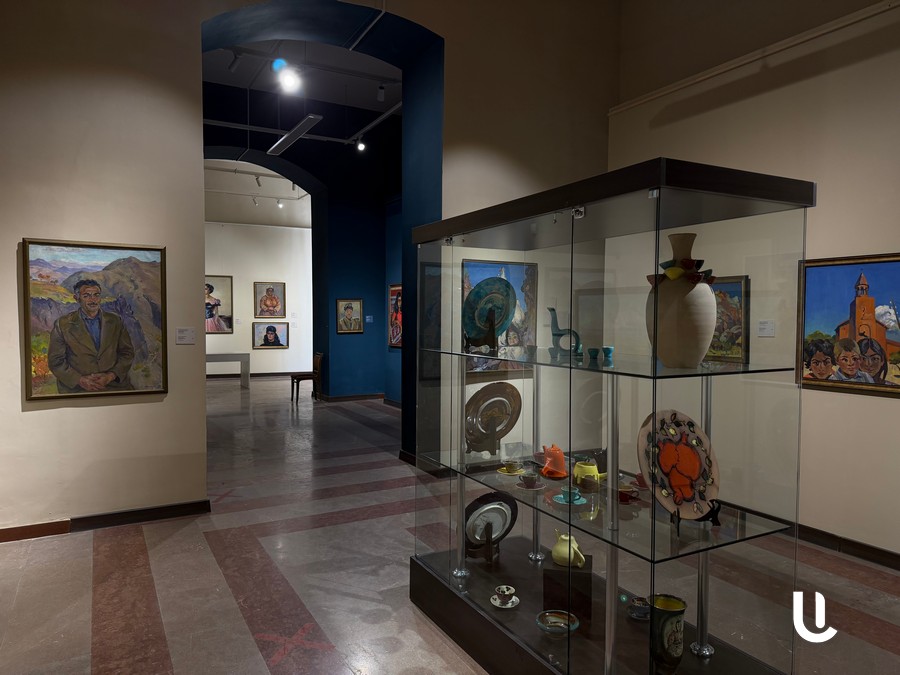
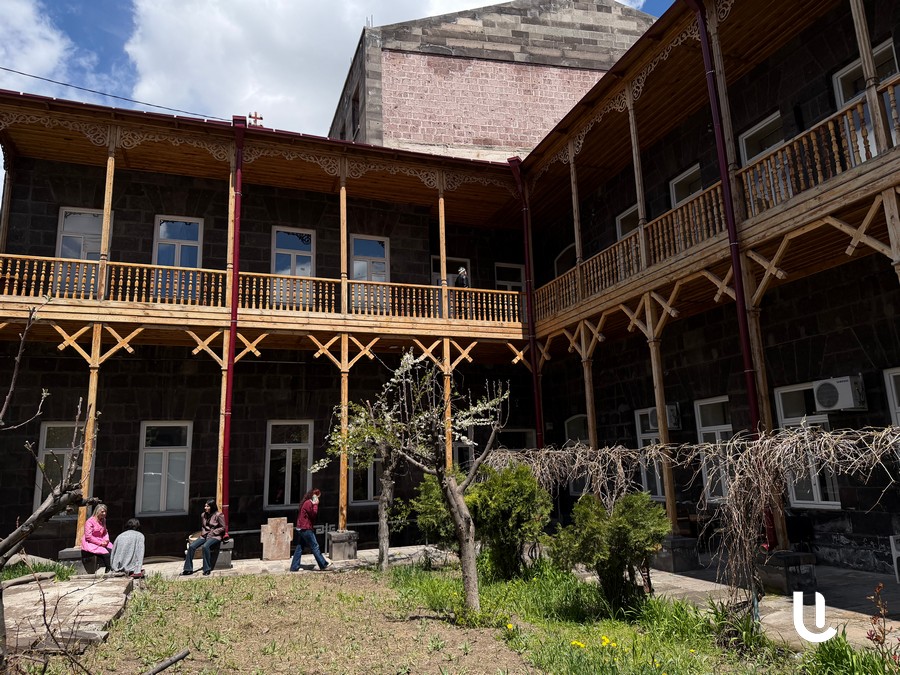
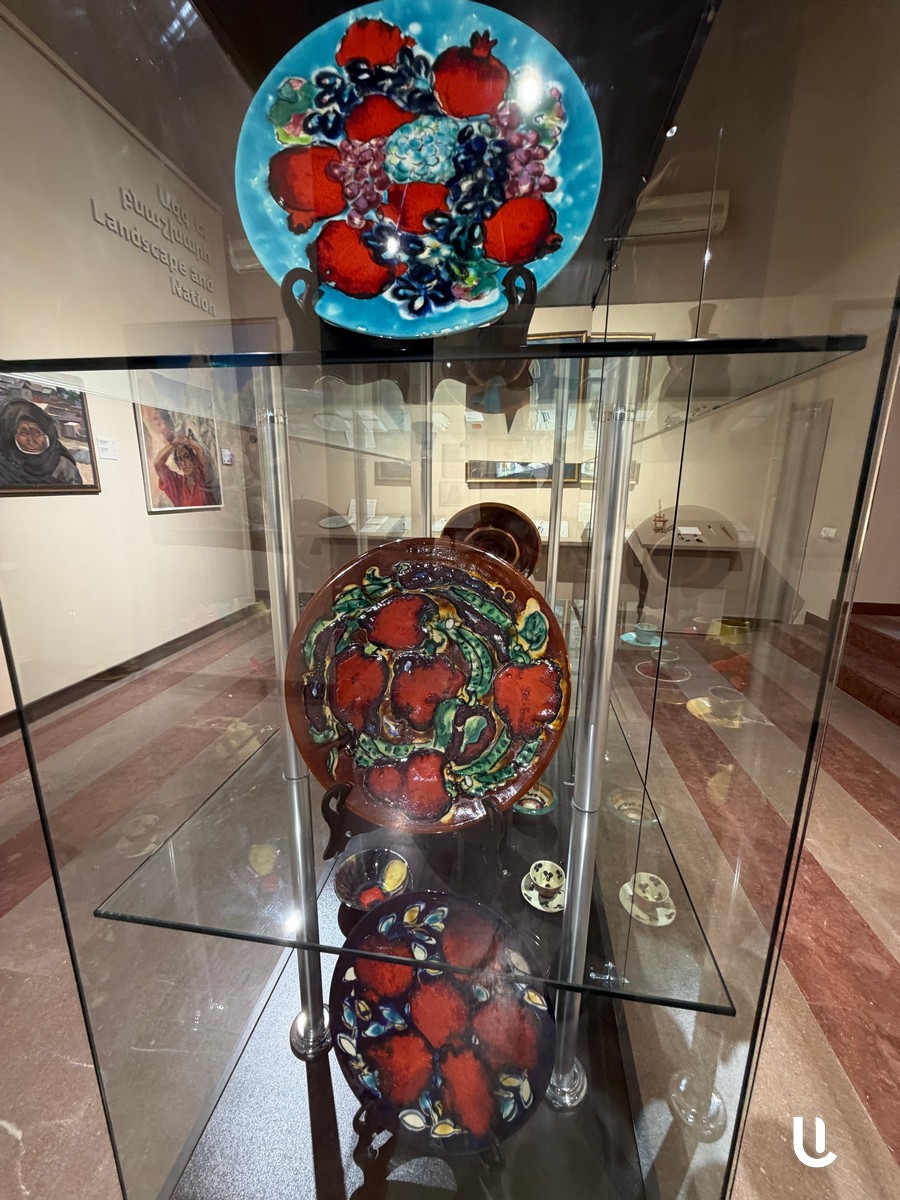
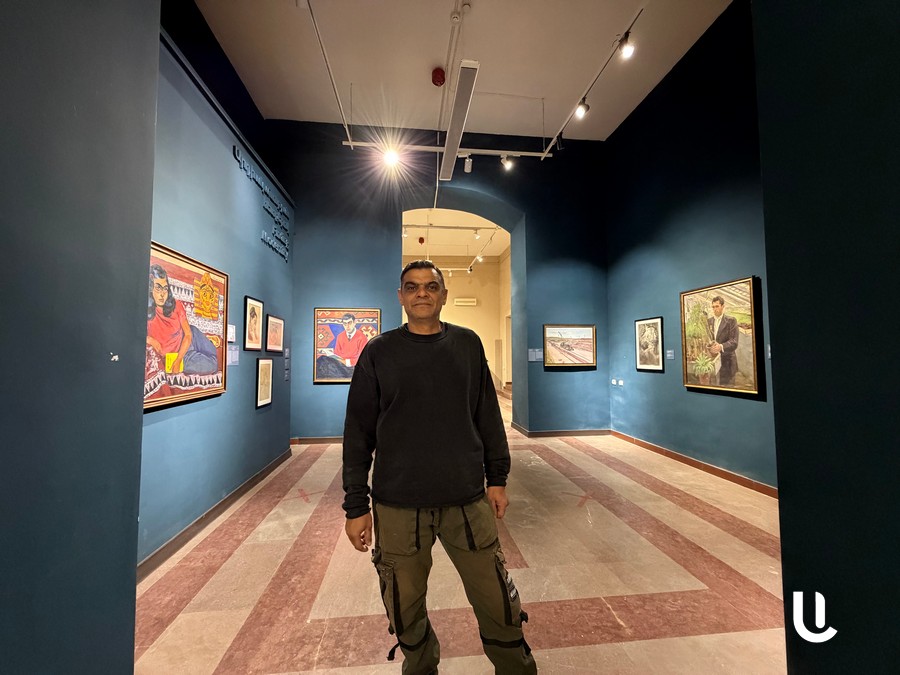
Located within the Kumayri Historic Cultural Reserve Museum, a heritage preservation zone in the historical centre of Gyumri, the Mariam and Eranuhi Aslamazyan Sisters Gallery has been operating since 1987, showcasing painting, graphic art and ceramic works by the two sisters. While already a key cultural landmark, the new project aims to expand its role from a museum space into a living platform for contemporary creation.
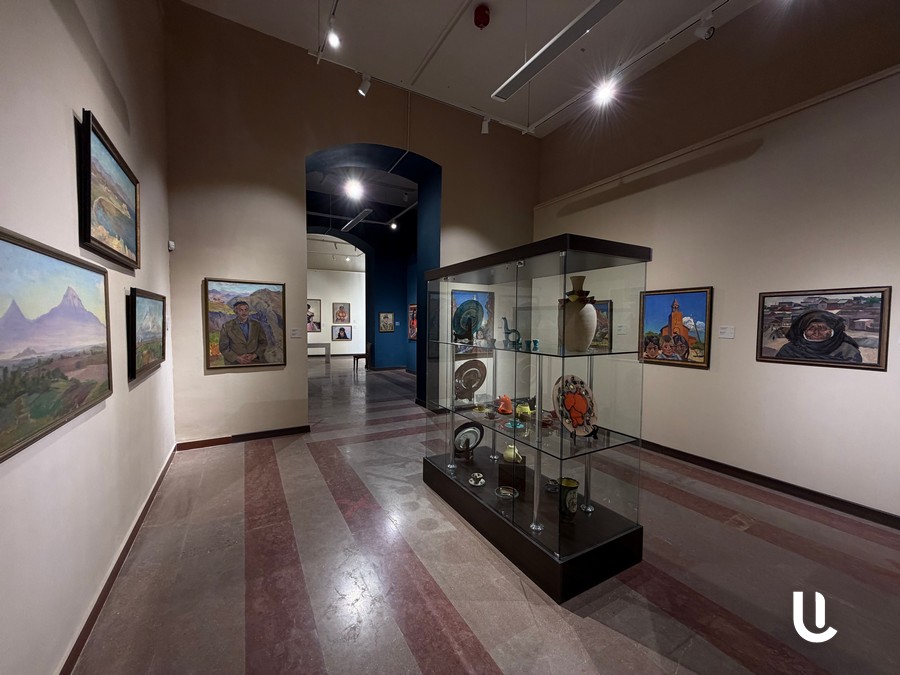
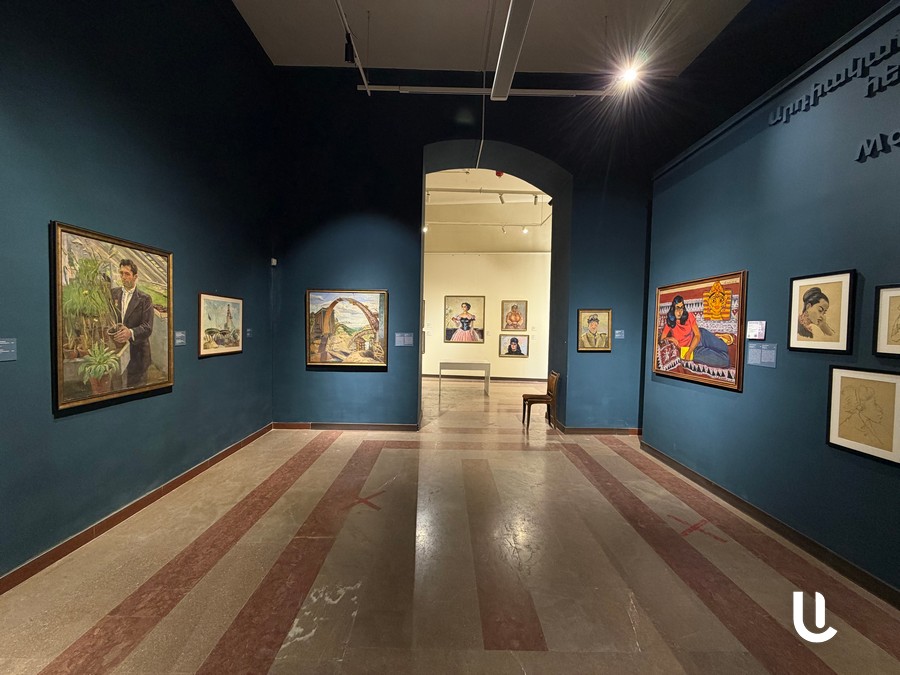
A new creative infrastructure for the city
The future art lab will include artists’ studios, a contemporary art exhibition hall, a multimedia library, an anti-café, and digitally equipped workspaces that will serve the needs of the city of Gyumri. The space is designed not only for exhibitions but also for production and experimentation.
One of its key functions will be to connect creative practice with urban development. For example, if the city needs new designs for public infrastructure such as advertising boards, benches, or rubbish bins, the space will be provided to creative individuals to design and produce them. The attic is expected to become a hub shaping and influencing the city’s cultural taste.
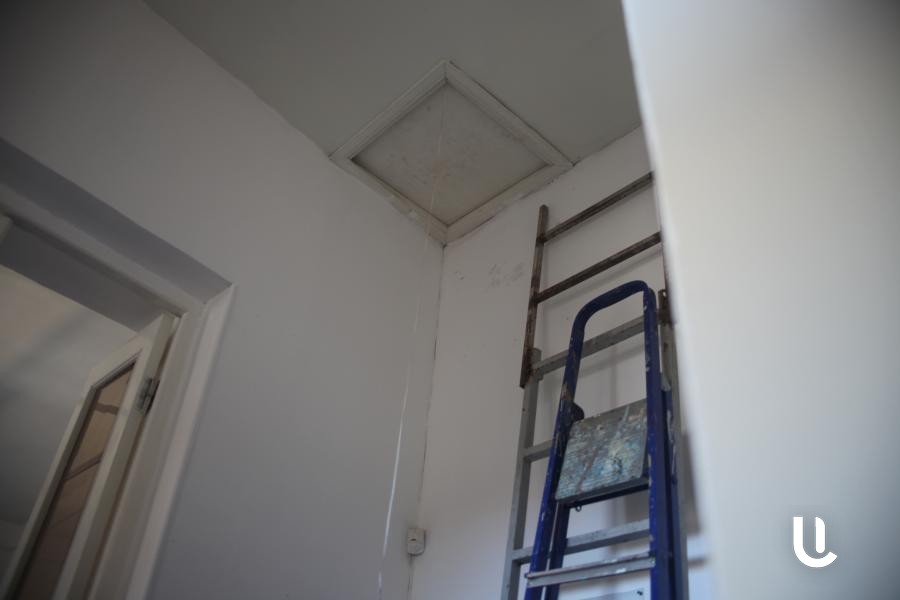
The project will provide direct access from the gallery courtyard to the rooftop. A stage will also be installed in the courtyard, where concerts and artistic events will take place, creating a vibrant creative atmosphere. Together, these elements aim to turn the site into an active cultural zone.
From unused attic to international creative hub
The project also aims to host international artists through residency programmes. Painters, musicians, writers, and other creators will be invited to work in Gyumri and have the opportunity to step outside their usual environment, live and work in a new artistic setting, and create new works.
The Aslamazyan Sisters Gallery hopes to host 10-12 guest artists annually, who will work in the attic-turned-art laboratory, with their works exhibited on site. Masterclasses will also be organised there. The initial planning phase of the project has already been completed.
How the idea emerged
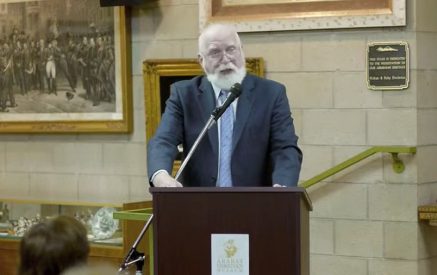
Speaking to Aravot.am, gallery director Karen Barseghyan said they had been looking for ways to take advantage of the large unused rooftop space.
“Gyumri’s cultural life needs more spaces, and that inspired our idea. We gathered with friends, discussed it, and since there was an EU programme underway, the idea was refined with the participation of Lilit Tovmasyan, head of the municipality’s cultural department, and included in the programme.”
The EU-funded project was Mayors for Economic Growth (M4EG), launched in 2017 and implemented by the United Nations Development Programme (UNDP) since 2021, working with municipalities to build internal capacity that will allow them to develop local economic and cultural strategies through an innovative methodology known as the Portfolio Approach.
“We received funding for the first phase, for the development of the concept,” said Karen Barseghyan. “To develop it, we gathered community artists in our gallery and discussed how to implement the idea. After finalising the concept, several architects worked on the design project, which was later approved, and the idea gradually began to take shape.”
He added that after the project’s completion, the gallery will be able to cooperate with art laboratories across different European countries. The initiative is also expected to increase tourist flow. Instead of working from cafés using laptops or phones, visitors will be able to come to the gallery attic, where high-speed internet access will be available, work there, and then continue exploring Gyumri.
M4EG programme and its role in Gyumri
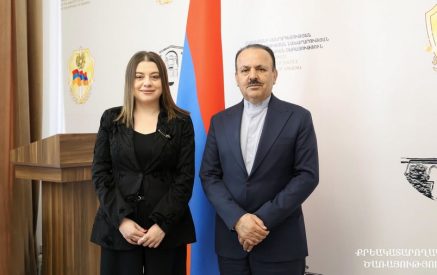
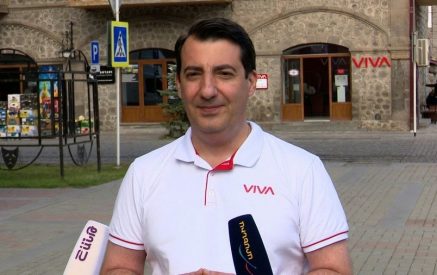
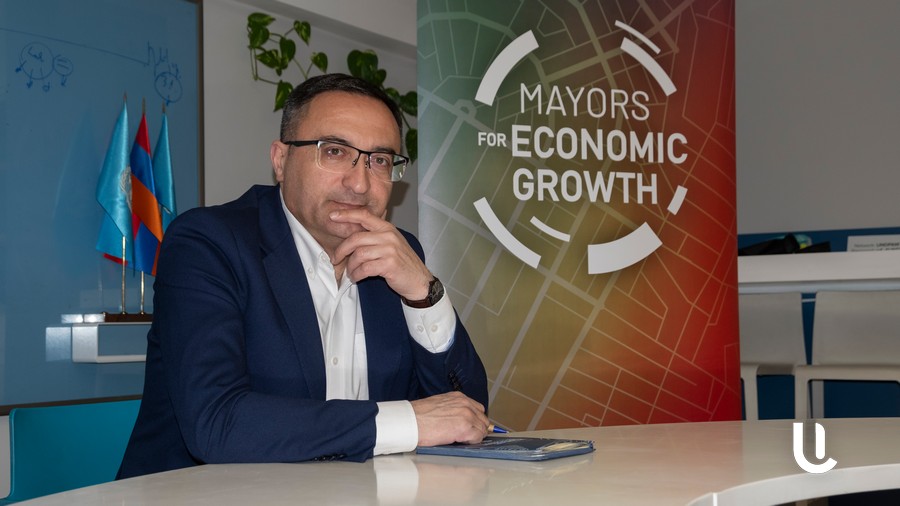
According to Krist Marukyan, M4EG Project Coordinator in Armenia, interventions in Gyumri focus on cultural tourism and the development of contemporary cultural infrastructure.
“Together with the portfolio team, we tried to understand whether the culture presented in Gyumri consists only of cultural artifacts created a hundred years ago, or whether Gyumri continues to produce culture today as well,” he said.
The first beneficiary communities in Armenia were Areni, Gyumri and Kapan. The third phase of the project has now been launched in 2025 and will continue until 2028. During this phase, the project is now working with the communities of Noyemberyan, Aparan and Goris. Two new communities are also expected to join the project within a month.
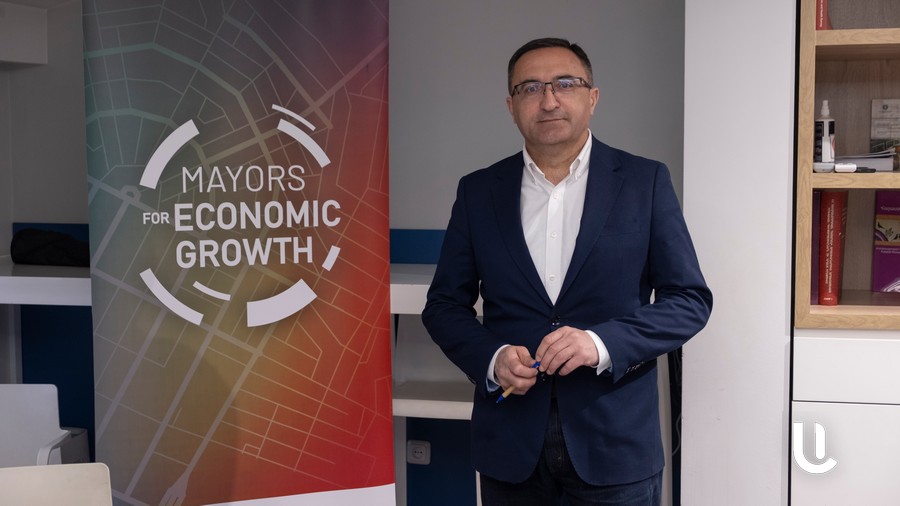
Speaking about the projects’s activities, Krist Marukyan explained that they begin with community listening sessions, during which municipal employees listen to how residents perceive the community’s problems, possible solutions and their own role in addressing them. By combining this information, they shape the community’s development vision.
“The directions for interventions are then determined. Kapan chose to focus on solving social issues and business diversification. Areni, as an enlarged community, focused attention on the integration of the nine settlements into touristic offerings though the identification of local attractions. In Gyumri, the emphasis was placed on cultural tourism, as well as the implementation of tools that would support the Municipality in effective data collection, analysis and decision-making related to the sphere of tourism.”
According to Krist Marukyan, one of the interventions designed in Gyumri includes developing and presenting to the municipality a new concept for the conversion of third floor of the Aslamazyan Sisters House Museum into an Art Lab, as well as creating a completely new exhibition concept, including architectural designs, blueprints, visual renders of the expo, as well as staff training for the Mher Mkrtchyan House Museum. Three information points were also established: in Friendship Park, on the premises of the Leo Art Studio, a pottery company, and at the Aslamazyan Sisters House Museum.
“Twenty employees from different institutions, who could potentially provide services at the information points, have undergone training. This also ensures the long-term operation and sustainability of these information points,” Marukyan noted.
A blacksmithing training course was also developed in cooperation with 10 local traditional family blacksmiths, who trained about 25 youngsters in the framework of the project. The course later became part of the curriculum in one of the local vocational education institutions.
As part of the project, a tourist pocket map of Gyumri was also published, and the website visitgyumri.info was created. The platform presents all service providers, enabling visitors to plan their trips in advance.
Asked about the project’s long-term impact on Gyumri’s development, Krist Marukyan replied: “The project helps the community formulate the vision that should guide its development path. This makes it possible to identify the missing pieces of the puzzle and to view any new cooperation initiatives through that prism. It also helps direct investments brought by other programmes in a more targeted and effective way.”
Community space, collaboration, and long-term impact
The head of the municipality’s cultural department Lilit Tovmasyan noted that the main motivation behind the project was to create a shared space for the city’s independent creators.
“We wanted to create a sustainable space equipped with technical devices, computers, and printers, where people could design, develop, and implement ideas. It is also an excellent example of cooperation between a museum and the community as entrepreneurship. Students from the State Academy of Fine Arts, for instance, could develop concepts for bins, benches, or street lighting for the city. We did not want a project that starts today and ends tomorrow. We wanted something sustainable, where creators, youth, and the community are equally interested in preserving it, because the community clearly understands that this is a space for generating ideas without having to spend additional funds on outsourcing them,” she said.
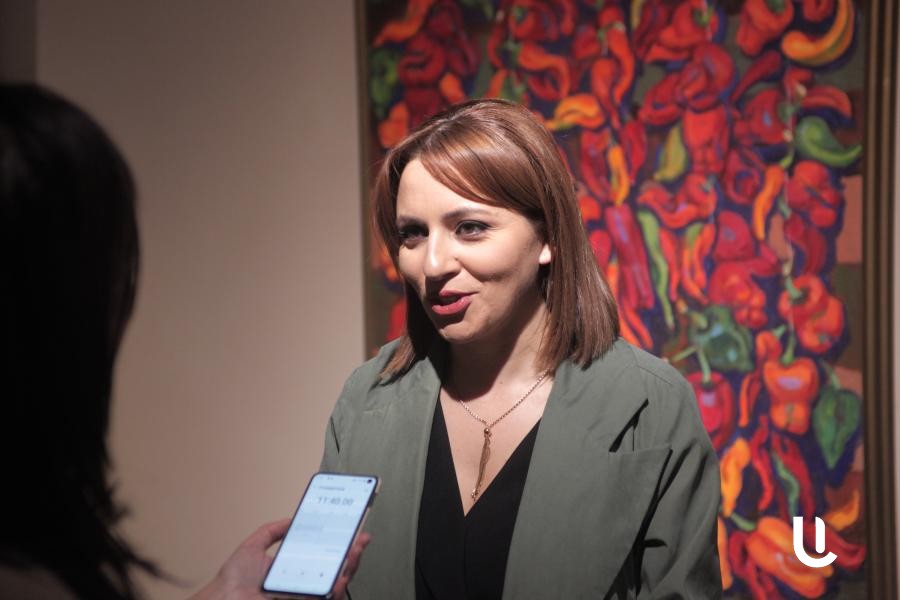
Tovmasyan emphasised the importance of connecting independent creators with both the community and the Aslamazyan Sisters Gallery. The space will be free and open to artists, serving as a hub for meetings, collaboration, and creative exchange.
“Artists often do not know what others in the city are working on. This space can encourage collaboration, exchange between generations, and the creation of new cultural projects. It can also attract tourists interested in art and culture, creating both intercultural exchange and economic benefits for the community,” she noted.
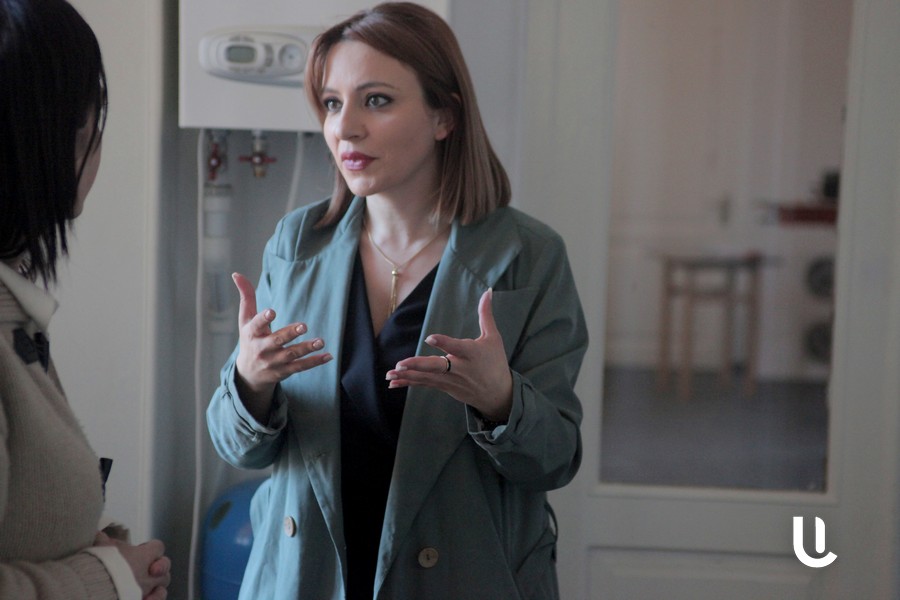
Tovmasyan added the art laboratory would also support the digitisation of the gallery’s collections and potentially those of other museums.
“Digital accessibility and preservation of cultural heritage are extremely important today. While transporting artworks abroad can be expensive, digital exhibitions require far fewer resources and allow cultural heritage to travel much more widely,” she said.
According to the head of the municipality’s cultural department, there are also plans to organise on-site printing and production using modern printing technologies. Materials produced there could be sold in the museum shop and generate additional income, while the museum could also accept external orders.
She added that the project had already gone through monitoring, research, concept development, problem identification, and risk assessment phases. The second phase included architectural and design work, resulting in a fully documented and approved project.
What remains now is the actual renovation of the attic and equipping it technically.
“One more push, and what has remained unfinished will finally reach its goal,” Lilit Tovmasyan concluded.
Since 2021, the EU-funded Mayors for Economic Growth programme has been supporting municipalities in Armenia and across the Eastern Partnership in building more inclusive, sustainable, and people-centred communities. By working closely with local authorities and residents, the programme helps turn local ideas into practical solutions that improve community life and contribute to long-term growth.
Nune AREVSHATYAN
Tatev HARUTYUNYAN
This article was produced in the framework of the EUNEIGHBOURS EAST programme. The views expressed are solely those of the author of the article․