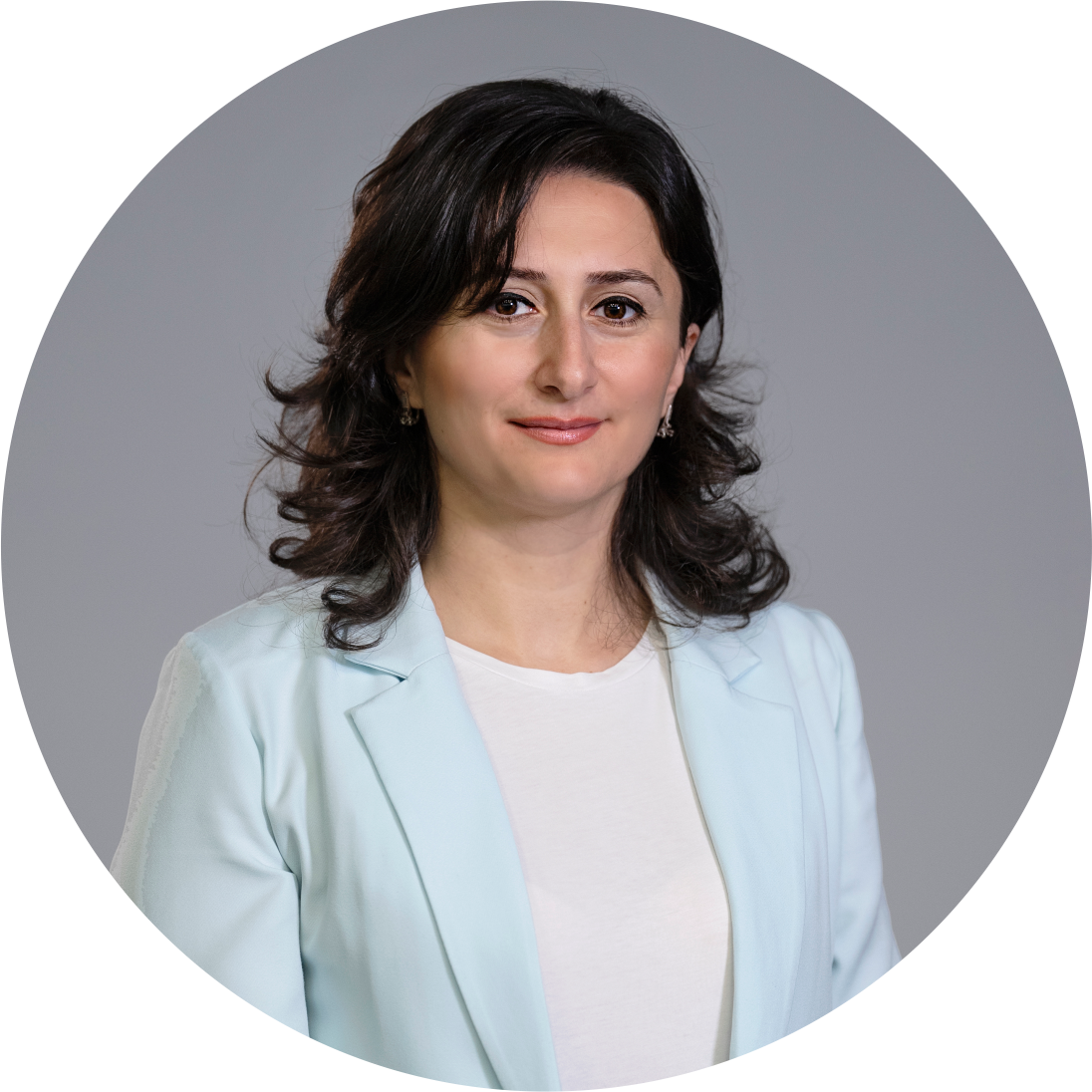








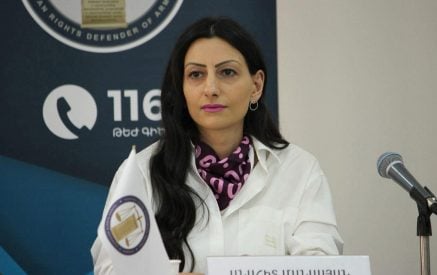


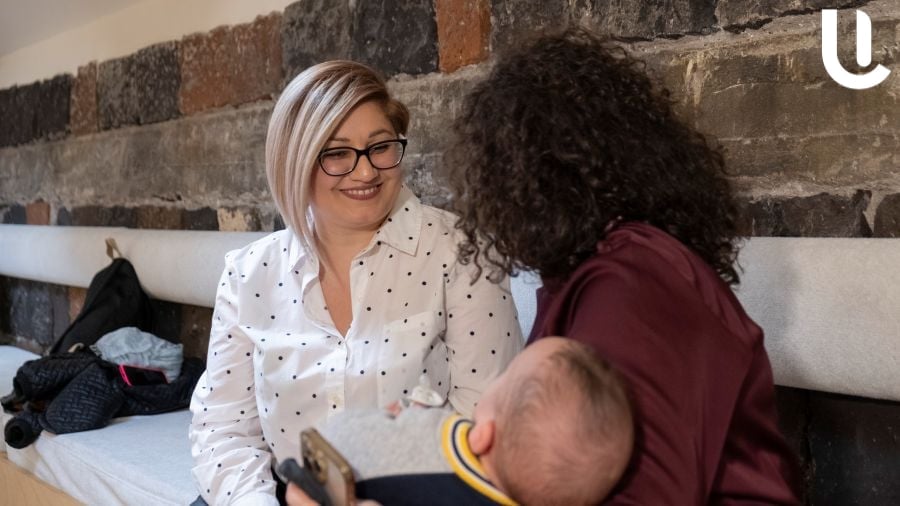
For Astghik Karapetyan, supporting working parents is not just a profession – it’s a personal mission.
“Astghik, how can we handle the issue of child benefits? Should I tell my employer that I’m pregnant or should I wait? What if they find out later and react negatively?” Questions like these are brought to Astghik Karapetyan almost daily. During our conversation, the organisation’s office was filled with mothers seeking guidance – some worried about maternity leave, others unsure of their rights at work. She listened attentively to each of their concerns, offering support through both legal advice and heartfelt, personal conversations.
For her, supporting working parents is not just a profession – it’s a personal mission.
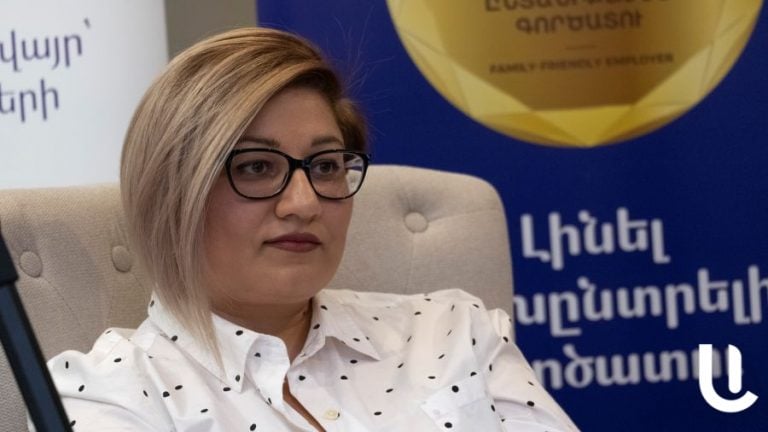
Astghik, an EaP Civil Society Fellow, co-founder and president of Point 33 NGO, has been a professional journalist since 2005, specialising in human rights reporting as of 2011. She sees clearly that workplace culture in Armenia, as in many places, still fails to fully support parents, especially women. This gap inspired her project “Making Family-Friendly Workplaces Workable”, supported by the EU’s Eastern Partnership Civil Society Fellowship Programme. The project tackles issues that many families face every day, such as limited childcare, rigid schedules, and the lack of policies helping parents to balance work and family life.
“A family-friendly workplace allows employees to be close to and care for a family member in need while continuing to work and earn an income,” says Astghik․ On Human Rights Day, Astghik’s work highlights that safeguarding parents’ rights and fostering family-friendly workplaces are essential for upholding human dignity and equality in Armenia.
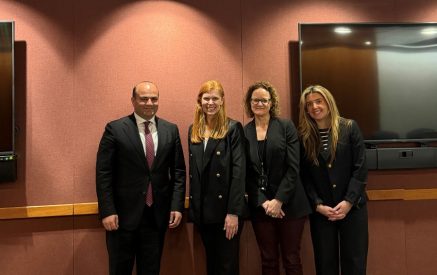
As part of the ‘Making Family-Friendly Workplaces Workable’ project, Astghik took part in study visits to Budapest and Prague, where she explored legislative frameworks and best practices for family-friendly policies, with a focus on workplaces. The insights she gained were later incorporated into the research report, “Family-Friendly Workplaces: Opportunities in Armenia”.
In addition to her policy work and research, she is the creator of the Big Things (Metz Gorts) podcast, which explores today’s significant topics and features people making a difference in society. The podcast addresses practical aspects of family life for Armenian working parents, covering crucial topics like mental health for working mothers, childcare accessibility, and perspectives on balancing work and family in Armenia. The podcast is very popular, amplifying discussions around family-inclusive workplace cultures in Armenia. Twenty-two new episodes will be released soon, in a new format, with some changes to the genre.
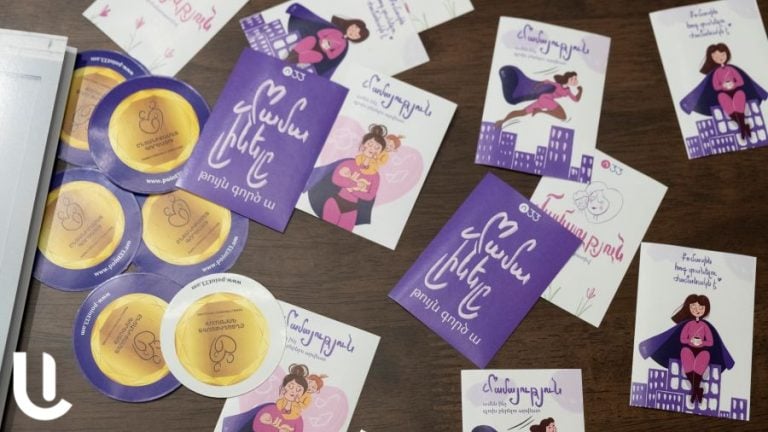
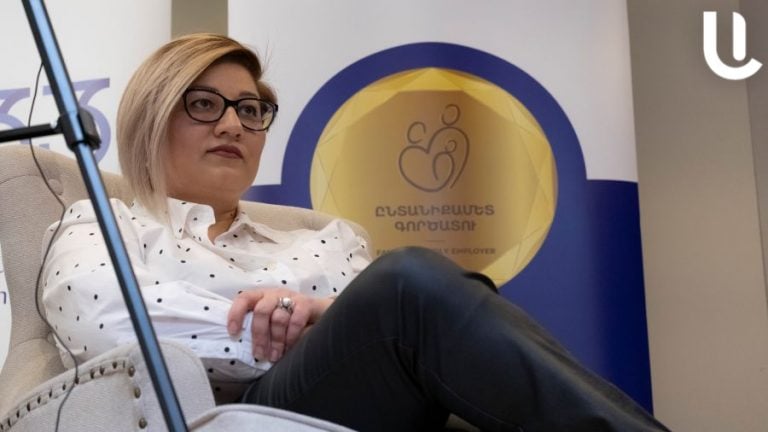
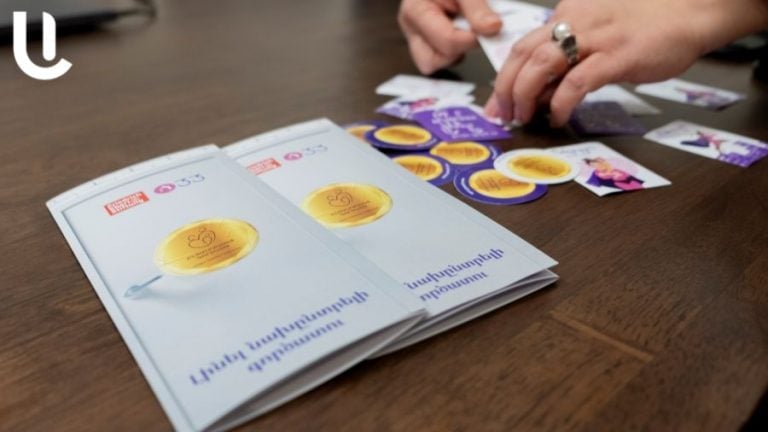
Most recently, Astghik has introduced a new tool – the ‘Family-Friendly Employer’ badge. “We developed a guide for employers, which is a natural continuation of the project. This year, we are awarding these badges for the first time. Family-friendly employers join a platform, complete a self-assessment questionnaire, and apply to receive the badge,” she explained.
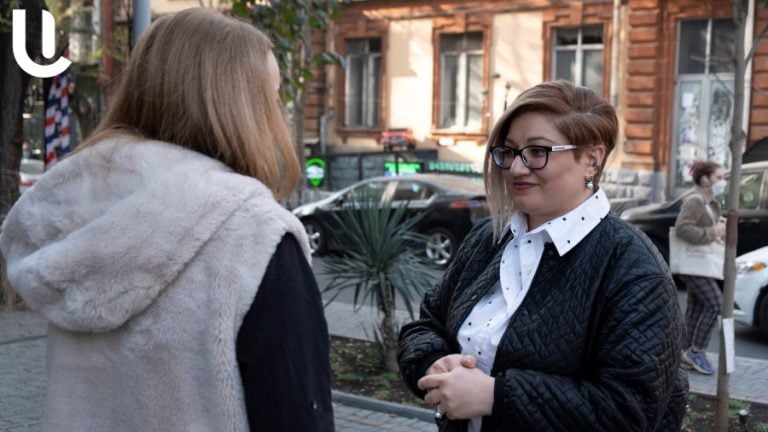
She said developing and promoting family-friendly policies and workplaces was a top priority for her organisation. She noted that the Eastern Partnership Civil Society Fellowship had played a significant role in this work. “Through the programme, I had the opportunity to study international best practices – not just through desk research, but by meeting and interacting with people in other countries who are implementing initiatives to create family-friendly workplaces,” she explained. For Astghik, this experience was, in her own words, invaluable.
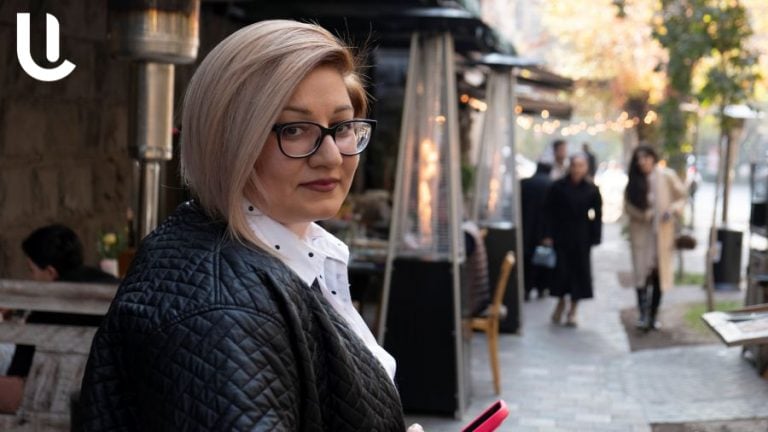
The EaP Civil Society Fellowship programme is run by the EU-funded Eastern Partnership Civil Society Facility, which supports civil society in the six Eastern Partnership countries (Armenia, Azerbaijan, Belarus, Georgia, Moldova and Ukraine). Astghik Karapetyan is one of more than 230 activists who have benefited from the programme.
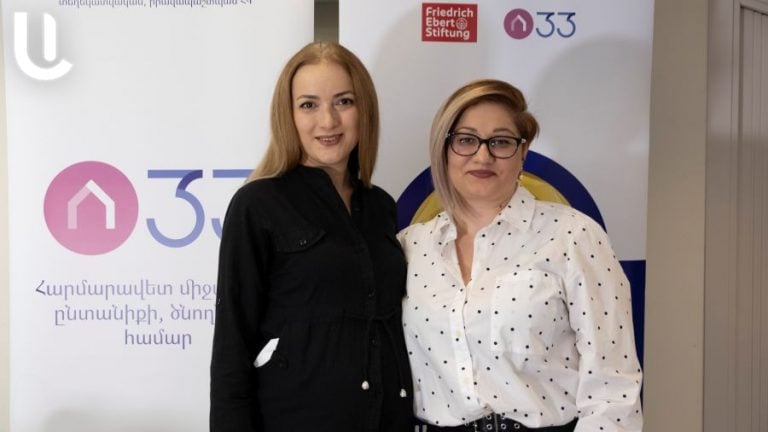
Based on her study of international best practices, she believes that Armenia still has significant progress to make in creating family-friendly workplaces and environments: “The policy of fostering a family-friendly workplace is directly linked to human rights. A workplace is considered family-friendly if it enables individuals to balance work and family care without stress, whether caring for a young child, an elderly parent, or a disabled relative. But since our primary beneficiaries are parents with young children, we focus on them. Achieving this balance without stress is crucial. As mothers, we understand the constant juggling it requires. These challenges are not merely social or economic, they are human rights issues that touch on dignity, equality, and the right to work without discrimination.”
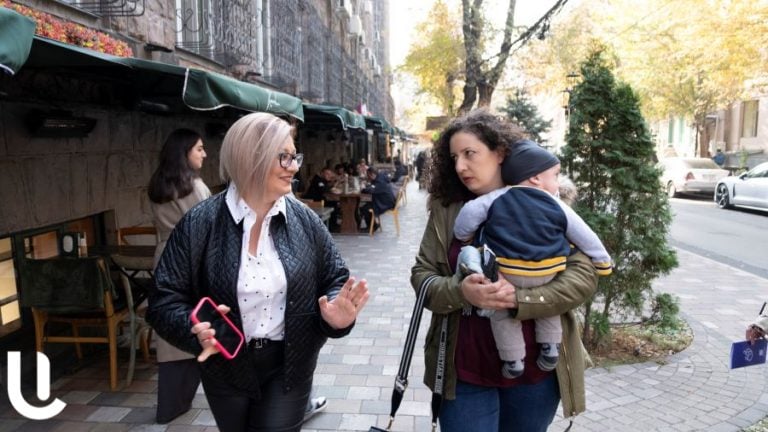
In Armenia, significant progress is still needed to meet European standards in creating family-friendly workplaces, particularly in three key areas: flexible working conditions, paid leave, and access to kindergartens.
Astghik has approached these issues not just as an expert or an observer – she has experienced them firsthand. “It’s one thing to raise an issue from the outside, as a journalist, when people turn to you. But the experience feels entirely different when it happens to you personally,” she explained.
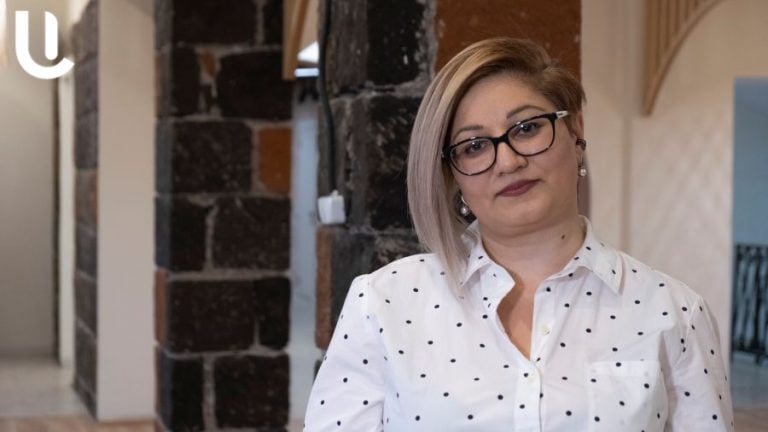
As a mother of two, she fully understands what other parents are going through. “After the birth of my first child, Nare, I didn’t work for a year, and it was an incredibly difficult period for me. After my second child, I realised the situation was unbearable. At that time, no one was talking about these issues, and there were no organisations addressing them, so I decided to speak up. The heavy burden on parents’ shoulders is rarely discussed, and individuals are often forced into an artificial choice: if you love your child, take care of them; if you love your job, focus on work. Many parents are solely responsible for childcare. According to the 2022 census, around 68,000 children are being raised by a single parent, and this data has not been updated since. The problem is that single parents often do not have access to the same rights afforded to parents with a spouse.”
“Even with legal knowledge, a clear understanding of my rights and laws, and the determination to defend my rights, I can still feel intimidated in certain situations. So what happens to a woman who has never heard of the Legal Code, is unaware of her rights, or lacks the confidence to defend herself? She does nothing; she simply adapts to the conditions imposed on her. If an employer hints at dismissal, she feels she must work like a slave 24/7 just to provide for her child. For single parents, the problem is even more pressing, as they must also find someone to care for their child or ensure the child is never left alone. They often accept minimal pay and poor working conditions, as long as the hours are manageable. One woman said, ‘I work at night; my mother takes care of my child. At least I know it’s night, my child is asleep, and the door is closed.’ This made me realise that we need to speak out about these issues. I have never remained silent in the face of injustice, whether it affected me personally or people in general,” said Astghik.
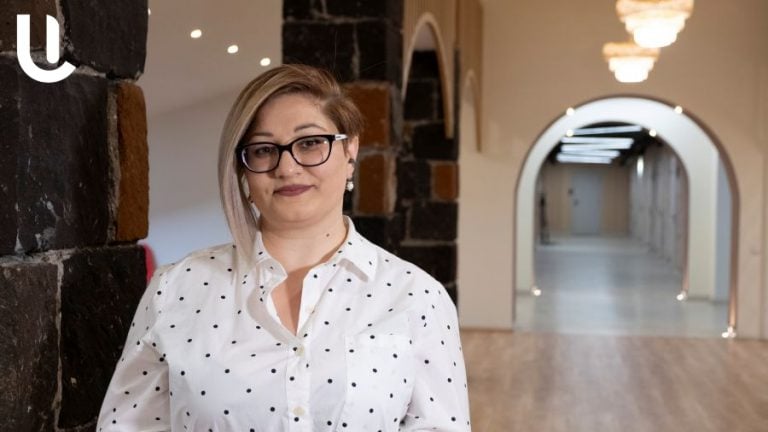
By helping parents to balance work and family responsibilities, her initiative fosters equality in the labour market and upholds the right to fair and dignified working conditions.
At the end of our conversation, Astghik offered some advice to women: “Love yourself. The more a person loves and respects themselves, the more naturally others will respect you and your rights. That’s why it’s so important to treat yourself with respect and to truly love yourself.”
Tatev HARUTYUNYAN
This article was produced in the framework of the ‘EU NEIGHBOURS east’
programme. The views expressed are solely those of the author of the
article.