






























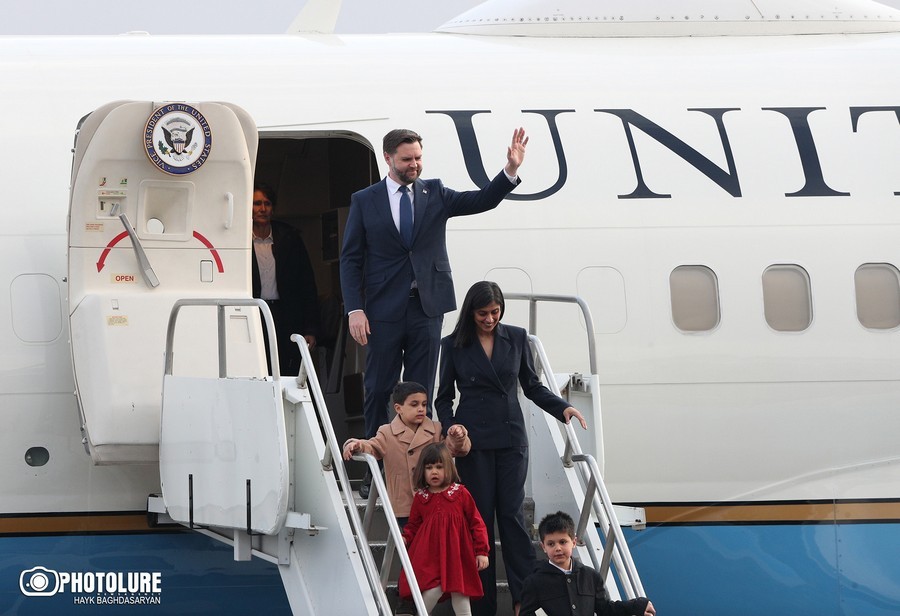
I must admit that I find the figure of U.S. Vice President J.D. Vance likable. It resonates with my conservative views that the United States has a high-ranking official who is firm in his Christian convictions and who, judging by the context of his speeches, for example, considers marriage to be a union between a man and a woman. I agree with this approach—which, of course, does not mean that people with different views or lifestyles should be persecuted. I simply hope that in 2028 Vance will be elected President of the United States, which would at least slow down (though certainly not eliminate) for another four years the left-globalist bacchanalia whose advance, unfortunately, seems unstoppable for now.
All of this, however, has nothing to do with U.S.–Armenia relations or with regional issues in general. Vance’s visit was not about Armenia, nor even about Azerbaijan. That is why the excessive excitement of over-zealous “pro-Westerners” is misplaced—the fantasy that Vance arrived with a suitcase containing nine billion dollars, which are about to be distributed to “the people,” or that Armenia will be gifted drones that will protect us from all enemies.
All this, of course, belongs to the realm of popular mythology, carefully woven through official propaganda. Nor do I share the opposite camp’s claims that Vance’s visit was fateful or transformative, or that it forms part of some global conspiracy against Armenia.
In reality, Armenia as such is of little interest to the United States. Azerbaijan, for obvious reasons, is of greater interest, and in Baku as well—on a slightly larger scale—there have been similar “money” and “weapons” statements.
Read also
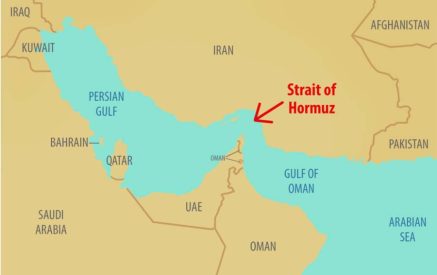
The United States’ real interest in the region at this moment is Iran, given the high likelihood of U.S. strikes against that country—despite the fact that such action may have been postponed for a time. In this context, the U.S. is also interested in TRIPP, as a Turkish-Azerbaijani anti-Iranian project under American patronage (primarily political). And, of course, there is also the small matter of playing on Russia’s nerves—though on that front the United States is conducting far more large-scale operations elsewhere in the world.
The reproduction of Pashinyan’s rule suits the United States, Turkey, and the European Union—this is obvious, and corresponding statements have already been made. But let some opposition figures not delude themselves: he is also convenient for Russia. A weak-willed leader who constantly says “yes” is comfortable for everyone—except us, the citizens of Armenia whose brains have not been successfully washed.
Aram ABRAHAMYAN