





















Pashinyan Will Not Stay in Power Unless He Tears the Portraits of Heroes Off the Walls
“But what, was the government not using state levers in the past to suppress opposition parties and movements?” This is, of course, a very powerful “argument” for justifying the political repression unleashed by Pashinyan. Incidentally, it is also an argument of the “I’m not a Nikol supporter, but…” variety: people who, on the one hand, do not want to be associated with a dictator leading the country down the road to ruin, but, on the other, fear becoming targets of persecution by the regime.
There are three answers to this argument.
1. A logical one: The fact that something of this kind happened in previous decades does not mean it should happen again.
Read also


2. A quantitative one: Never before have the leaders of the three main political rivals, along with numerous supporters of theirs, all been either behind bars or, at the very least, under criminal prosecution.
3. A substantive one, and the most important: What matters is not only what is being done, but also why it is being done and to what end.
In previous periods, the motivation behind political persecution was one thing: to stay in power and prevent any political or public activity that might shake the ruling establishment’s hold on office. That motivation is naturally present today as well. But Pashinyan needs power for more than just the “perks”.
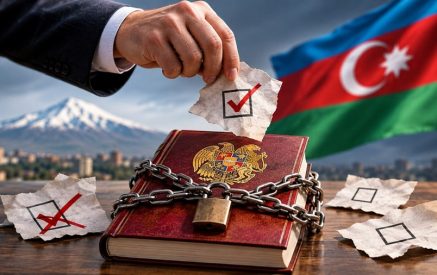
Here, we should recall the four objectives put forward by the opposition forces, with which I agree. The question is whether the opposition will actually manage to turn these four points into a public agenda. Let me remind you what they are: rejecting the imposition of Aliyev’s constitution; defending national identity and the Armenian Apostolic Church; and restoring democratic freedoms and rights. (As for the last point, I would replace the word “restoration” with “establishment”: you can restore something that once existed.)
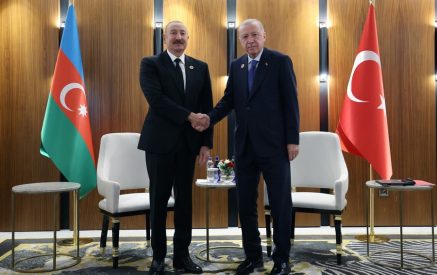
These are not only legitimate objectives for society; they are also prerequisites for Pashinyan to remain in power. In other words, the Civil Contract leader will not stay in power if he fails to impose Aliyev’s constitution on Armenia, because he has undertaken this obligation before the Azerbaijani president as a precondition for “peace”. Although, these days, senior representatives of the neighbouring country are hinting that this is not the last precondition.
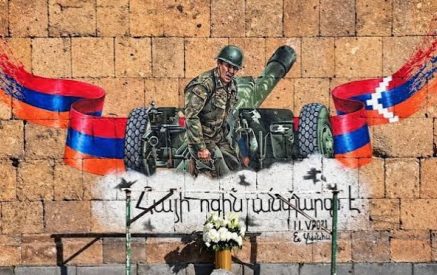
Pashinyan will not stay in power unless he tears the portraits of heroes off the walls, distorts our history, repents for the Karabakh movement, and tries to appoint a “Catholicos of 29,743 square kilometres” in place of the Catholicos of All Armenians. Pashinyan will not remain in power if he does not make further territorial concessions, no matter what kind of demagoguery he uses to “disguise” them. These are not only Aliyev’s demands; I believe they are also the demands of geopolitical centres.
This is why the Civil Contract leader needs to suppress democratic freedoms and rights on an unprecedented scale, let me repeat. If, for example, the authorities had allowed fair elections to take place in 2026; if, in particular, there had been no mass arrests before the voting and on election day, and if the Prosperous Armenia Party’s votes had not been annulled, the Civil Contract Party would not even have the fragile “majority” it has today.
So, to answer the question posed at the beginning of this article — “Wasn’t it the same in the past?” — I can say, with a clear conscience: “No, it was never like this. The state has never been in as much danger as it is now.”
Aram ABRAHAMYAN