

































Mirrorspectator.com. The Ethiopian-Armenian community is small but plays an outsized role in modern Ethiopian history.
Until the Communist Derg ousted Emperor Haile Selassie in 1974, Ethiopians embraced Armenians. Armenians held trusted positions within Emperor Menelik II’s court between 1889 and 1913. The Armenians operated churches and schools which became the backbone to allow Ethio-Armenian culture to thrive. The Derg unleashed a rain of terror and Marxist confiscation of private property. The state nationalized Armenian schools, while the Communist regime allowed Orthodox worship, seizure of church property constrained both the Ethiopian and Armenian communities.
The Armenian General Benevolent Union has previously written on the Armenian community’s storied history in Addis Ababa and Harar, and the difficulties they have suffered alongside Ethiopian compatriots over the past half century. Numbers reflect those difficulties: Ethiopia’s Armenian population has declined from 1,600 people to perhaps 120, with some counts placing the community’s numbers even lower. St. George Armenian Apostolic Holy Church largely remains shuttered. Declining enrollment led the Armenian community to open the Kevorkoff Armenian National School to Ethiopians, though even this shuttered.
On May 28, 1991, the Derg finally fell as the fractious Ethiopian People’s Revolutionary Democratic Front took the capital. Ethiopians of all religions celebrated. Meles Zenawi took power and ruled the country until his 2012 death, after which Hailemariam Desalegn took over. Incumbent Prime Minister Abiy Ahmed has ruled Ethiopia since 2018.
Read also



The problem many Armenians face is that while the Derg is gone, the state’s mindset of imminent domain and central planning remains. While Ethiopians despise the Derg, subsequent governments have retained much of the stolen Armenian property. While title disputes slow restitution in other cases, the Armenian titles are clear cut. The constitution also allows the government to seize and destroy property for the public good. The current Ethiopian government appears obsessed with transforming Addis Ababa into an African Dubai. In the name of modernizing the capital, Abiy has launched a corridor project that has seen the destruction of much of old Addis Ababa, including Armen Sefer, the old Armenian neighborhood, to make way for more modern apartments and towers.
With diplomatic support from Yerevan, the Ethio-Armenian community could survive. Here, Greece provides a model. In 2023, the Ethiopian Ministry of Education took the Hellenic Greek International School in Addis Ababa to court demanding it adhere to Ethiopian organizational standards rather than retain communal governance.
When Ethiopia’s Federal Supreme Court imposed a state-appointed board to oversee the Greek school, the Greek foreign ministry launched quiet but urgent diplomacy coupled with deputy foreign minister-level visits that culminated in a December 2025 agreement to designate the school as the Greek Community Cultural Heritage Legacy School and guarantee operational autonomy.
The Armenian community faces slightly different problems, but the precedent of the return of cultural property and operational autonomy remains relevant. While both Armenia-based civil society and diaspora groups rally to protect cultural heritage in Nagorno-Karabakh and Jerusalem, they and the Armenian foreign ministry in Yerevan should not forget Ethiopia. Abiy may respond, but only if asked.
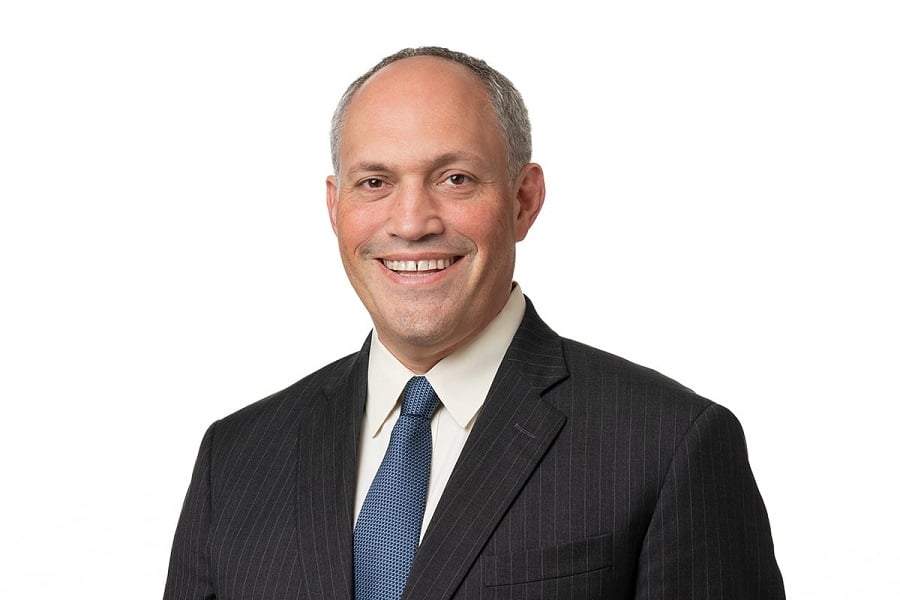
Michael Rubin is director of policy analysis at the Middle East Forum in Washington, DC, and a distinguished fellow at India’s Usanas Foundation.
Read more at the source