











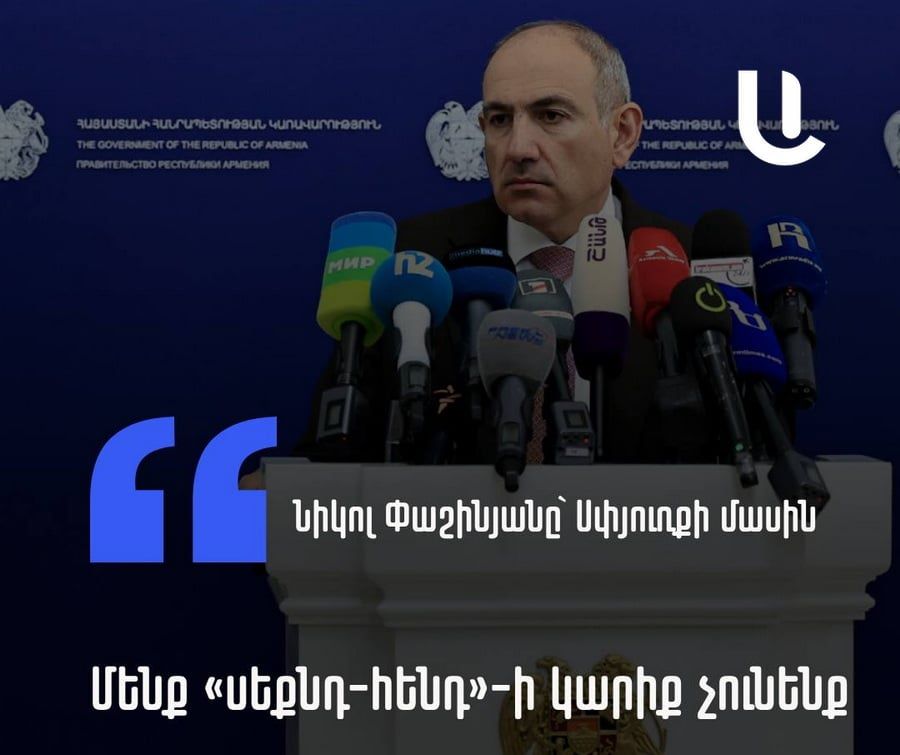
For quite some time now, Nikol Pashinyan has been using public speaking opportunities to devalue the support Armenia has received from the Diaspora, describing it either as “second-hand” or as “torn clothes.” According to Nikol Pashinyan, that is what the Diaspora’s support for Armenia amounted to, whereas they want Armenia-Diaspora relations to be expressed through economic and educational development programs.
Apparently, Kirk Kerkorian, Eduardo Eurnekian, Vache Manoukian, Alex Manoogian, Charles Aznavour, and the many wealthy Armenians and philanthropists who supported infrastructure capital projects and educational programs in Armenia were donating “torn clothes” to the country. I am mentioning the largest-scale donors and projects precisely because there have been dozens, even hundreds, of our compatriots who have implemented investment and social programs for Armenia.
Major projects have also been carried out by Samvel Karapetyan, Ruben Vardanyan and many other businessmen of Armenian origin who have conducted their activities outside Armenia. Was Armenia-Diaspora cooperation ideal or absolutely effective? Of course not. But, to put it mildly, one should have a sense of discomfort before describing that relationship as “second-hand” or “torn clothes.”
Yet Nikol Pashinyan is prepared to tolerate any “discomfort” if that is what is required to ensure the “comfort” of his position in power. And that requires “exporting” the devaluation of national and state identity and character to the Diaspora as well, extending it to Armenia-Diaspora relations and, after filtering the values out of that relationship, leaving only those reference points characteristic of a petty, household-minded outlook.
Read also
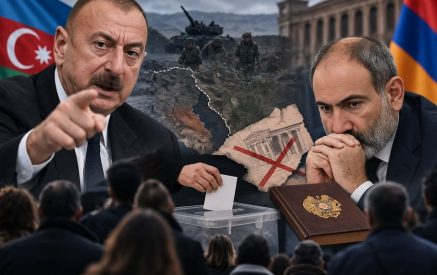
Of course, it cannot be ruled out, to put it mildly, that this is required not only by the need for the “comfort” of being in power, but perhaps also by the country whose president has for years stood out for his dissatisfaction with the Armenian Diaspora. And, as is well known, Nikol Pashinyan does not reject that president—lest there be war.
HAKOB BADALYAN