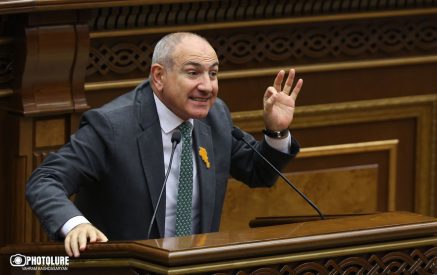


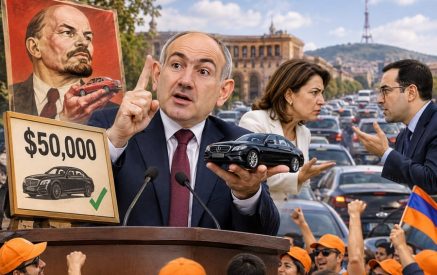

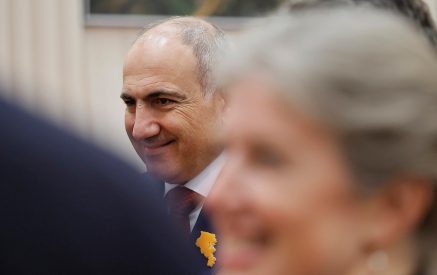




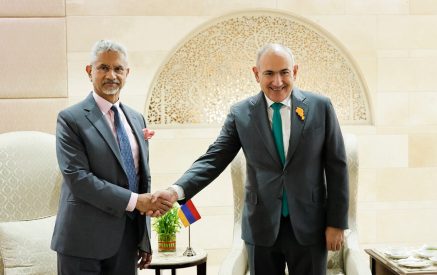

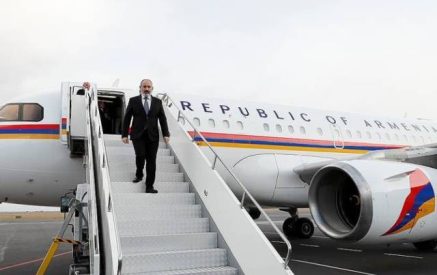

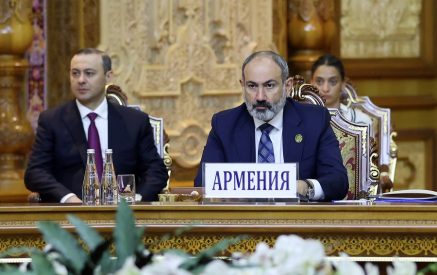


During the parliamentary question-and-answer session between the government and the National Assembly, Nikol Pashinyan once again put on a series of performances for the Armenian public. There are two main audiences he is addressing: one is his faithful, die-hard electorate; the other consists of what might be called the politically neutral segments of society — people who are neither supporters of the government nor aligned with the main or leading opposition forces. Pashinyan seeks to feed the first group, thereby receiving nourishment and energy in return. As for the second, he tries to disillusion them with politics as such as much as possible, naturally by playing on their legitimate desire for peace. In this context, he faces a particular challenge: on the one hand, he needs to wrap his words in an emotional package; on the other, he uses that emotional framing to blur any rational rebuttal the opposition might offer, creating the impression that he is at least delivering peace, while the opposition cannot even do that. This is precisely the mindset Pashinyan seeks to instil in his “neutral audience”.
This raises another question: should the parliamentary opposition even bother putting questions to Nikol Pashinyan? Is there any point? Is there any reason to expect him to answer opposition questions differently when they are so uncomfortable that a straightforward answer could only harm him? Naturally, he will resort to his tried-and-tested skill: turning the situation on its head through an extreme emotional distortion, thereby extracting the maximum political benefit precisely where he would stand to lose if he attempted to respond to the questions on their merits. So, is there any value in directing questions to Nikol Pashinyan during these sessions?
It would seem worthwhile for the issue of parliamentary tactics to become part of the debate within the framework of the rationalisation of resources currently taking place in Armenia’s opposition camp. This should include the question of how to give Nikol Pashinyan as little “opportunity” as possible. Perhaps the time and energy spent on questioning him could instead be put to better use in improving the effectiveness of the opposition’s communication with the public.
Hakob BADALYAN