




















Young people are ready to lead the future – our systems must keep up
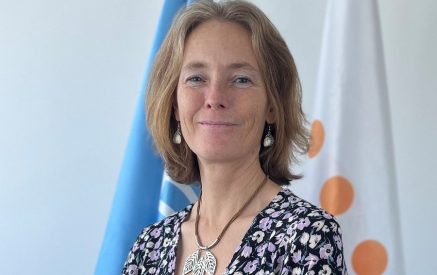
By Florence Bauer
Ask young people across Eastern Europe and Central Asia what they want out of life, and their answers are remarkably clear: They want meaningful work, a home of their own, a stable partnership and children.
Yet across our region, young adults are delaying or scaling back these milestones.
Read also

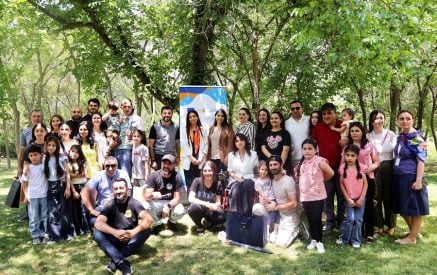
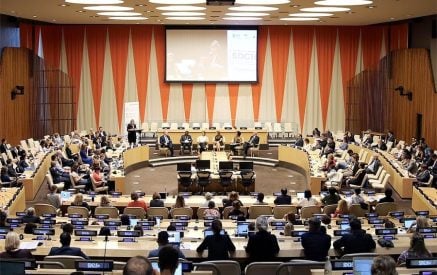
Too often, this is framed as a story of youth apathy or shifting values. But UNFPA’s new State of World Population 2026 report [link to regional page] upends that narrative. Today’s young people are not turning their backs on family or civic life. Instead, they lack the economic security, services and voice needed to turn their ambitions into reality.
In Eastern Europe and Central Asia, the evidence is unmistakable. UNFPA’s Demographic Futures Survey, which polled more than 13,500 young adults aged 18 to 39 across 11 countries and territories in our region, reveals a generation deeply committed to family life. Nearly four in five young adults (79 per cent) aspire to marry – far higher than in Western European and East Asian comparison countries – and 95 per cent of childless respondents want at least one child.
Yet those aspirations have collided with structural barriers. Across the region, young adults cite financial insecurity, lack of suitable housing and difficulty finding a compatible partner as the primary obstacles holding them back from parenthood. At the same time, anxieties about political instability and conflict register at substantially higher levels in Eastern Europe and Central Asia than in comparison countries.
These pressures also do not fall equally. Across the region, women rate nearly every barrier to parenthood more heavily than men, reflecting persistent gaps in health worries, housing access and the unequal division of unpaid care and housework. When women are forced to choose between a career and having children, it is no surprise that optimism erodes as they move through their twenties and thirties.
Faced with falling birth rates and shifting population trends, some governments in our region are tempted to reach for quick fixes, such as one-off “baby bonuses” or rhetoric that pressures young people, especially women, to have more children. As we have seen time and again, cash handouts alone do not solve a structural problem, and coercion only undermines reproductive rights and hard-won gender equality.
If we want demographic resilience, we must start by listening to what young people themselves are asking for.
Consultations for this year’s State of World Population report make their priorities clear. First, we must bridge the gap between education and decent work by equipping young people with digital and AI skills and creating stable job pathways. Second, we need to invest in the foundations of independent adulthood, including affordable housing, accessible childcare, and family-friendly workplace policies that encourage men to share caregiving equally.
Defending bodily autonomy and expanding youth-friendly sexual and reproductive health services must also be a priority, as they face backlash and funding cuts that threaten decades of progress. Finally, we must move young people from symbolic consultation to real decision-making power. Young people are disillusioned with current systems – but they are not disengaging — they are engaging differently in their communities and in digital spaces. They deserve a genuine role in shaping budgets and long-term policies that will determine their futures.
Young people in Eastern Europe and Central Asia are not asking older generations to step aside. They are asking to clear the roadblocks standing in their way. When we invest in their agency, security and rights, we do more than help them build the lives they want; we secure the future of our entire region.
Florence Bauer is the Regional Director for Eastern Europe and Central Asia at UNFPA, the United Nations Population Fund.