
































 ECOCIDE IN ARTSAKH PERPETRATED BY AZERBAIJAN
 PART TWO
 THE PERIOD FROM 10 NOVEMBER 2020 TO 11 DECEMBER 2022
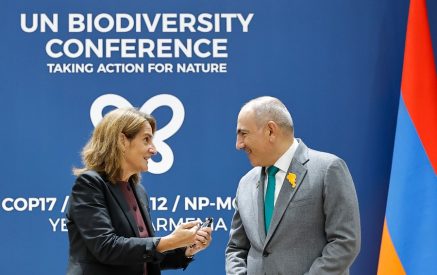
 On the occasion of the seventeenth meeting of the Conference of the Parties to the Convention on Biological Diversity (COP17), the Office of the Ombudsman for Cultural Heritage of Artsakh is launching a series of publications aimed at drawing the attention of the international community to environmental violations and potential manifestations of ecocide attributable to Azerbaijan in Artsakh, documenting their consequences, and raising questions concerning accountability and the restoration of justice.
The initiative seeks not only to document damage inflicted on the natural environment, but also to examine its potential long-term consequences, raise international awareness, and call for a rigorous, transparent, and professionally conducted investigation. The examination of environmental issues must be grounded in verifiable evidence, scientific methodologies, independent expert assessments, and the relevant principles of international law.
 Acts that harm the natural environment must not be concealed behind the rhetoric of construction, reconstruction, or infrastructure development.
Read also
 Large-scale construction and infrastructure projects undertaken in the territory of the Republic of Artsakh, which remains under Azerbaijan’s occupation, raise serious concerns regarding the protection of the region’s natural environment. Such activities may result in the destruction, fragmentation, or substantial alteration of natural ecosystems. Their environmental consequences require independent investigation, appropriate documentation, and public scrutiny.
The concerns surrounding these developments encompass several serious environmental and cultural issues that must be examined through a comprehensive and systematic approach.
 1. Deforestation and the Radical Transformation of Natural Landscapes


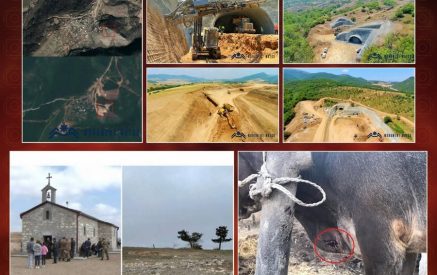
 Construction activities associated with new roads, tunnels, airports, and military infrastructure pose risks to Artsakh’s forested areas, disturb soil layers, alter natural landforms, and damage ecosystems that have evolved over extended periods.
The destruction of forests represents far more than the loss of trees. It increases the risk of soil erosion, alters hydrological regimes, fragments natural habitats, and disrupts climatic equilibrium. The consequences of such interventions in forest ecosystems may persist for decades, even after construction has been completed.
Forest loss is not merely a local environmental problem; it can disrupt the ecological balance of an entire region.
Accordingly, any large-scale intervention in forested areas must be accompanied by an adequate environmental impact assessment, professional oversight, and measures designed to prevent, avoid, or mitigate environmental damage.
 2. The Risk of Biodiversity Loss
Biodiversity loss is not confined to a single geographical area. Because ecosystems are interconnected, destructive interventions in one location may generate adverse consequences in adjacent areas, undermining the integrity of natural systems as a whole.
The destruction of the natural environment may have irreversible consequences not only for present generations but also for those yet to come.
3. Damage to the Cultural and Natural Environment Associated with “Reconstruction” and “Searches for Mass Graves”
Such interventions are concerning not only because of their potential environmental impacts, but also because of the risks they pose to historical memory, archaeological deposits, and cultural landscapes. The destruction of historic cemeteries and monuments may result in the irreversible loss of invaluable historical and archaeological information, depriving future generations of opportunities for the scientific study of the past.

 Natural and cultural heritage constitute interconnected values. The protection of landscapes surrounding historic monuments, cemeteries, and archaeological sites must be recognised as an integral component of safeguarding our shared heritage.
Uncontrolled Construction in the Absence of Adequate Environmental Risk Assessment
The implications of these developments extend beyond environmental protection to the preservation of Artsakh’s historical and cultural heritage. Construction and earthworks may also be accompanied by the destruction of historic monuments, cemeteries, and other cultural assets, or by the disruption of their historical settings.
 As a consequence of this policy, the historic cemetery in the village of Syghnakh, in the Askeran district of the Republic of Artsakh, was destroyed. Established in the mid-eighteenth century, the cemetery remained in use until the occupation.
 The Zoravor Surb Astvatsatsin Church in Mekhakavan suffered a similar fate. Its destruction was documented in a video report produced by the British Broadcasting Corporation (BBC).
Unfortunately, this policy continues to raise serious concerns, including the systematic destruction of Armenian historical and cultural heritage in Artsakh and the damage to, or complete obliteration of, numerous monuments of universal cultural significance. These developments threaten not only the tangible material evidence of Armenian cultural identity but also heritage assets that form an integral part of humanity’s collective historical memory.
At the same time, the absence or inadequacy of environmental impact assessments, independent professional oversight, and transparent, publicly accessible reporting mechanisms raises serious concerns. The situation underscores the need for sustained international engagement, independent documentation of the available evidence, and effective monitoring of compliance with international obligations concerning the protection of both cultural and natural heritage.
Environmental impact assessment is not a mere procedural formality. It is an essential prerequisite for preventing, minimising, and mitigating environmental damage, as well as for evaluating possible alternatives to proposed activities.
 Who assesses this damage? Who oversees the use of natural resources? Who bears responsibility when destroyed ecosystems can no longer be restored?
The absence of effective environmental monitoring mechanisms may exacerbate existing risks, making it more difficult to identify and assess damage in a timely manner and to investigate the feasibility of environmental restoration.
 Documentation of Alleged Offences and the Problem of Impunity
According to the published information:
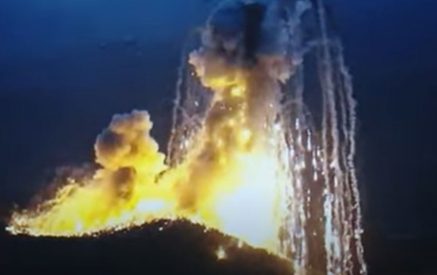
“From the 9 November 2020 Trilateral Statement until 1 September 2022, a total of 112 crimes against Artsakh Armenians were committed by the Azerbaijani armed forces, including the burning of four orchards, in connection with which 92 criminal proceedings were initiated”.
The reported figures concern alleged violations of security and citizens’ rights. The information regarding the burning of orchards also draws attention to the protection of private property, agricultural resources, and the natural environment.
The burning of orchards is more than a matter of material loss.It may result in the loss of tree cover, deterioration of soil quality, disruption of natural habitats, and the deprivation of livelihoods. For communities that depend heavily on agriculture, the destruction of orchards may have long-term socioeconomic consequences.
Each such incident must be investigated individually to establish the circumstances, determine the extent of the damage, and assess the possible involvement of those responsible.
Published information concerning alleged criminal offences requires thorough follow-up investigations. Where environmental damage is involved, it is also necessary to conduct professional assessments, comprehensively document the harm, and examine the feasibility of restoration.
Accountability must be established on the basis of facts, evidence, and due legal process.
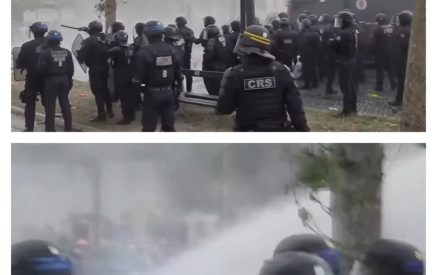
 3 December 2022: The Blocking of a Road Under the Pretext of Environmental Protection
 The Artsakh Information Headquarters reported that a group of Azerbaijanis wearing civilian clothing had blocked the Stepanakert–Goris highway near the Shushi–Karin Tak junction, citing environmental concerns.
This incident occurred at a time when environmental issues had become a focal point of political and public tensions surrounding Artsakh.
Accordingly, the substantive nature of environmental concerns, the manner in which they are presented, and the objectives of the actions accompanying them must be examined on the basis of evidence, the broader context of events, and independent assessment.
Environmental protection must not be instrumentalised as a tool of political coercion.Where “environmental demands” are invoked to justify road blockades and the disruption of civilian life, it is necessary to investigate whether those demands genuinely serve the purpose of environmental conservation or are being used as an instrument of political pressure.
The principle of environmental protection cannot legitimately be used as a pretext for restricting freedom of movement, aggravating an already difficult humanitarian situation, or exerting psychological pressure on a civilian population.
Environmental issues must be addressed through transparent, professional, and verifiable procedures-not at the expense of the rights of civilians.
Reports concerning large-scale interventions in Artsakh’s natural environment raise a fundamental question: Are construction and infrastructure development being carried out in accordance with environmental protection principles, or are economic and political objectives being prioritised over the imperative to safeguard the environment?
The mere existence of roads, tunnels, airports, and other infrastructure does not, in itself, constitute evidence of sustainable development. Where construction is accompanied by the destruction of forests, fragmentation of wildlife habitats, and degradation of historic landscapes, the environmental costs of such activities must be subject to public scrutiny and international oversight.
 Which areas have been cleared, excavated, or substantially altered? What extent of forest cover and what quantities of natural resources have been lost? What environmental impact assessments were conducted before construction activities commenced? What data are available concerning damaged ecosystems, changes in biodiversity, and alterations to soil cover? What measures have been taken to prevent, minimise, mitigate, or remedy the resulting damage?
Why have independent experts and relevant international organisations not been granted access to examine these areas and verify the information presented?
These questions cannot be adequately addressed through general statements or publicity materials promoting construction projects. What is required is verifiable evidence, geographical mapping, comparative analysis of satellite imagery, professional field investigations, and public accountability.
Where credible evidence indicates intentional conduct, systematic destruction, or other serious violations, such evidence must be subject to appropriate legal investigation.
Impunity must not become fertile ground for the destruction of nature.
Documenting environmental harm requires more than recording what has already occurred. It also requires preventing further damage, ensuring transparency of information, and establishing genuine and effective mechanisms of accountability.
 The Responsibility of the International Community and Professional Institutions
The protection of Artsakh’s natural environment must not be confined to political declarations. International environmental organisations, scientific institutions, relevant international bodies, and independent experts must systematically examine published information, contribute to the verification of evidence, and facilitate rigorous professional assessments.
 Satellite-based environmental monitoring must continue.
 Comparative analysis of satellite imagery can help identify changes in forest cover, the emergence of new roads and construction sites, disturbances to soil cover, and alterations to natural landscapes.
Comparing satellite imagery acquired at different points in time makes it possible to document changes in the visible characteristics of an area, map potentially affected locations, and identify sites requiring further investigation.
At the same time, satellite-derived data must be corroborated through field investigations, scientific methodologies, and independent expert assessments. Only such a comprehensive approach can strengthen the reliability of the evidence and provide a sound basis for assessing environmental damage and pursuing accountability.
Facilitate independent and professional assessments of the condition of Artsakh’s natural environment. Ensure the proper documentation of deforestation, land degradation, and changes in biodiversity. Call for the publication of environmental impact assessments and the disclosure of relevant underlying data. Examine the interrelationship between environmental damage and the protection of cultural heritage. Support the development and implementation of programmes to prevent, mitigate, and, where feasible, remediate environmental damage. Assess the applicability of international environmental law and the relevant accountability mechanisms on the basis of available evidence. Support the establishment of effective independent monitoring and public reporting mechanisms. Hovik Avanesov, Ombudsman for Cultural Heritage of Artsakh, Calls for Documentation, Transparency, and Accountability
The protection of Artsakh’s natural environment is not merely a matter of local concern. It is intrinsically connected to biodiversity conservation, the preservation of historic landscapes, and the right of future generations to live in a healthy and safe environment.
The destruction of nature cannot be justified by political expediency, economic interests, or the perceived necessity of infrastructure projects. No project can be considered sustainable if environmental protection principles are disregarded during its implementation and the actual extent of the resulting damage remains uninvestigated and undisclosed.
 Reported and ongoing violations affecting Artsakh’s natural environment must be independently investigated, systematically documented, and assessed against recognised professional standards. Where damage is established, measures must be sought to prevent further harm, pursue feasible restoration, and ensure that questions of legal responsibility are properly examined.
It is necessary not only to document the damage inflicted on nature but also to ensure independent investigation, prevent further losses, and establish mechanisms through which environmental violations cannot go unanswered.
Nature recognises no political boundaries. The consequences of forest loss extend far beyond the lifetime of a single generation. The destruction of biodiversity may produce irreversible consequences. The absence of accountability increases the risk that such damage will be repeated.