



The reconstruction and development project for Gyumri’s Friendship Park, launched back in 2018 on the initiative of philanthropist Ruben Vardanyan and carried out by his IDeA Foundation, will henceforth be continued by the Aznavour Foundation. This was announced last month in a joint statement issued by the Aznavour and IDeA Foundations.
Although the park will continue to develop and several conceptual infrastructure components are yet to be added, it has already become one of the favorite spots for the people of Gyumri. As a new phase begins for the park, Aravot decided to reflect on the history of its creation. Few know that Ruben Vardanyan was not only the initiator of this project, but also its primary donor, contributing a significant sum of approximately $5.4 million.
To present the story behind the park’s creation, we spoke with Elena Muradyan, former project lead for Friendship Park and former director of the IDeA Foundation.
From Concept to Reality
Read also
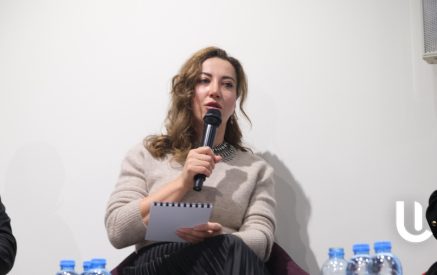
“Gyumri holds deep significance for Ruben Vardanyan, as it represents one of the five strategic directions for tourism and urban development under the Armenia 2020 initiative. He always emphasized that a social-public project had to be implemented at this northern point of Armenia that would, in itself, serve as a catalyst for new business initiatives. Although the park project is not yet fully complete, I can already say it has truly acted as a catalyst. When construction began, a large shopping center opened across the street, small businesses sprung up in the surrounding area, the location became attractive to various institutions, and even apartment prices in this neighborhood began to rise,” recounts Muradyan.
The idea behind creating Friendship Park was born following the launch of the Kumayri Historical Center Development Program, which was developed by the Gyumri Project Hope Foundation with the support of Ruben Vardanyan. The program was subsequently implemented by Karen Karapetyan’s administration in 2017.
“When the Kumayri Historical Center Development Program gained momentum and tourist flow increased, Ruben Vardanyan noted that we needed to identify a major social project of public importance, one that Gyumri genuinely needed and that would drive the city’s overall development. We held numerous meetings and discussions with local residents, through which we realized that creating a green social space would be the ideal choice. It would serve as a hub for recreation, leisure, small business ventures, and events, benefiting every resident regardless of age,” says Muradyan.
Why Was a Site Covered in Domiks (Temporary Shelters) Chosen?
The concept was presented to local authorities, and the municipality offered various sites for implementation, including the current grounds of Friendship Park.
“Every other proposed location would have allowed for much faster completion and significantly lower investment,” explains Muradyan. “Nevertheless, Ruben Vardanyan chose the Friendship Park site despite its complexity, for several reasons. First, during the Soviet era, it had been a park — once even called the Forest Garden due to its dense greenery — and it was vital to him that this area remain a park. Second, it connects the residential districts built after the earthquake with the city center. Third, and perhaps most importantly, the project addresses a severe social issue for the residents living in the domiks (temporary shelters) situated on that territory. He always said: ‘If you undertake a project in Gyumri and don’t start with the city’s most painful issue, you won’t achieve true success.’”
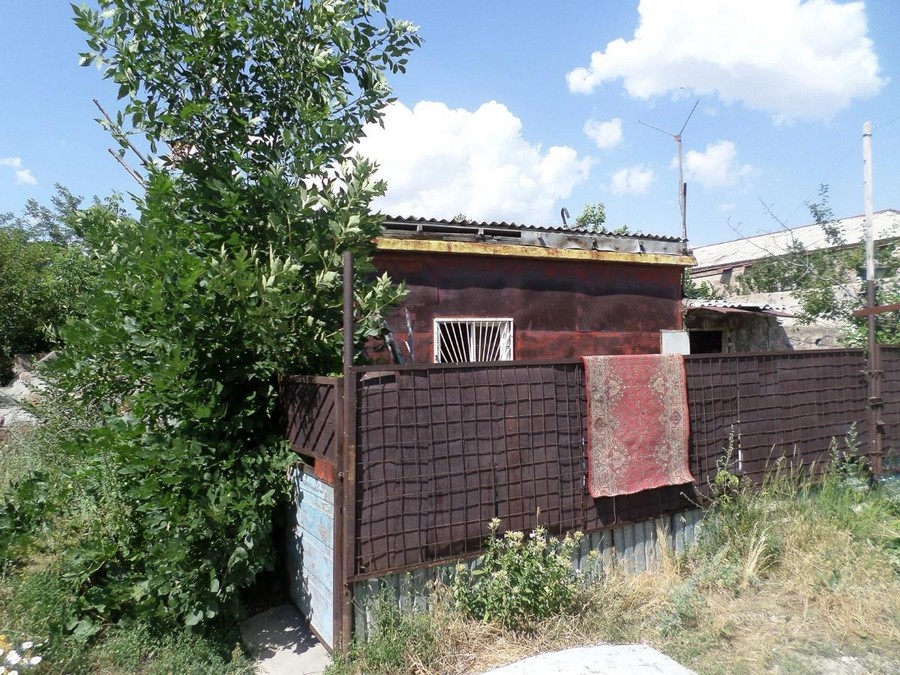
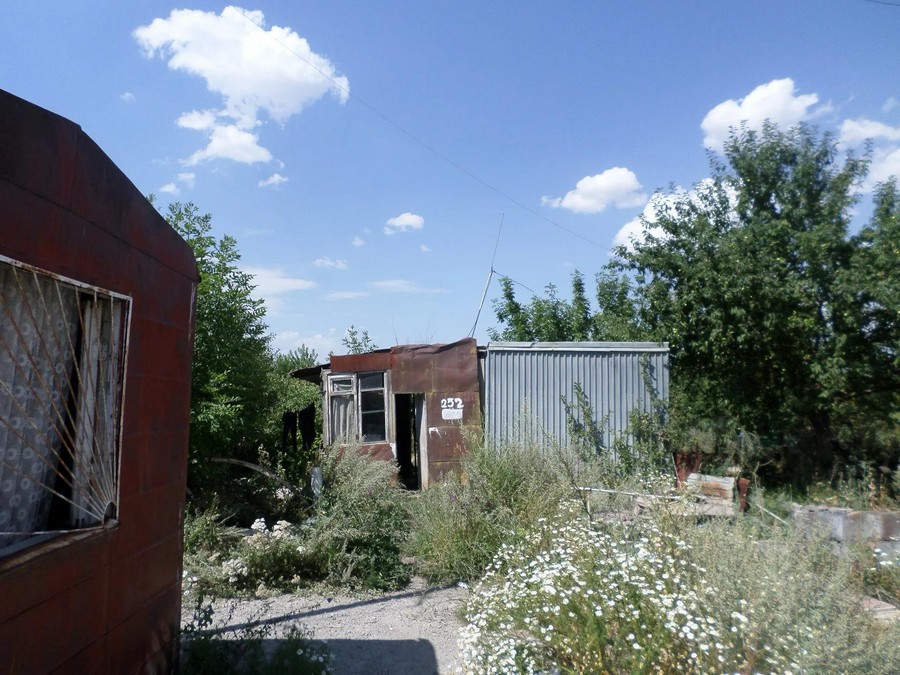
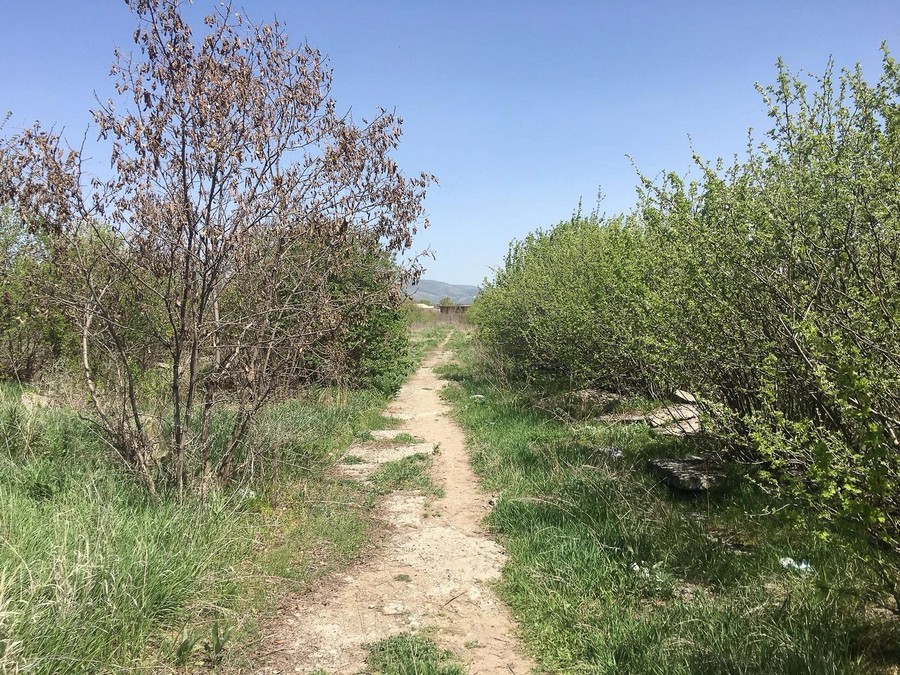
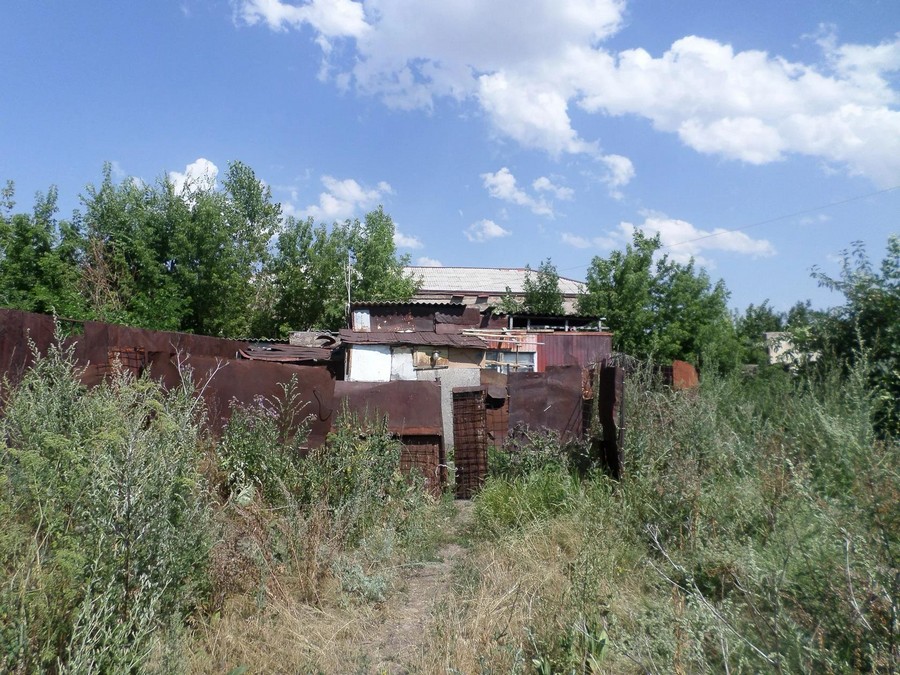
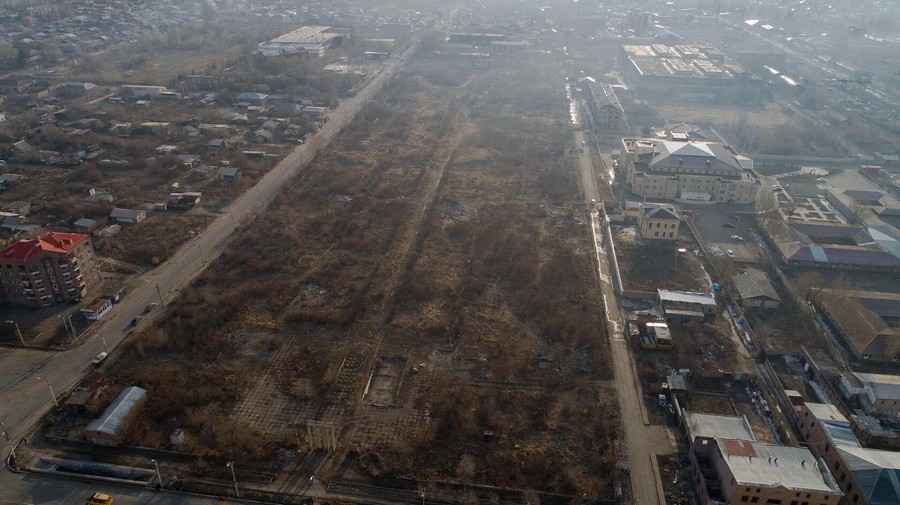
The park area prior to the start of the project
Indeed, due to the presence of these domiks, many investors avoided undertaking projects in that area. Ruben Vardanyan, however, decided to address the social issue first. Thus, in 2018, the ambitious, large-scale reconstruction of Friendship Park kicked off by resolving the housing problems of these residents.
“In collaboration with the municipality, we worked individually with residents of all 20 domiks and helped them select their future homes. It was essential to Ruben Vardanyan that residents choose homes according to their own preferences and within their preferred environments, which were then acquired for them. The Aznavour Foundation, which has now taken over the continuation of the project, as well as the Fund for Armenian Relief (FAR), joined these housing relief efforts. Remarkably, we hadn’t even approached them; they learned about the initiative and joined on their own accord,” recalls Muradyan.
She notes that the successful execution of this social component is evidenced by the fact that several former domik residents became directly involved in the park’s reconstruction works: “One resident assisted us with the engineering of the park’s water supply system. Subsequently, employment opportunities within the park were offered to members of these families. In essence, we achieved broad social inclusion.”
A Concept Built on Anthropological Research
A group of young architects with experience in designing urban parks was tasked with working on the concept.
“We decided not to start with architectural blueprints, but rather with anthropological research, because we wanted to understand how residents remembered the park and what they wished to see there. Sociologists worked alongside the architects. First, a structural model emerged, featuring sports zones, children’s areas, an ice rink, and an open-air art market (Vernissage). Based on those community needs, the architectural concept was developed. Following its approval, we conducted multi-layered public hearings, including a major town hall, so the people of Gyumri could learn what was coming to their city,” says Muradyan.
Since the park had been densely wooded during the Soviet period and most trees were cut down during the “dark and cold” years of the 1990s, Ruben Vardanyan placed special emphasis on bringing green spaces back.
“All tree-planting initiatives were conducted with active community participation. Vardanyan considered it crucial for residents to feel a sense of ownership over the park, to even have their ‘own’ tree there. He believed this would foster a genuine spirit of civic care. In my view, that objective was fully realized. Today, when people enter the park, they instinctively put out their cigarettes to keep the air clean and look for the nearest trash bin rather than littering,” notes Muradyan.
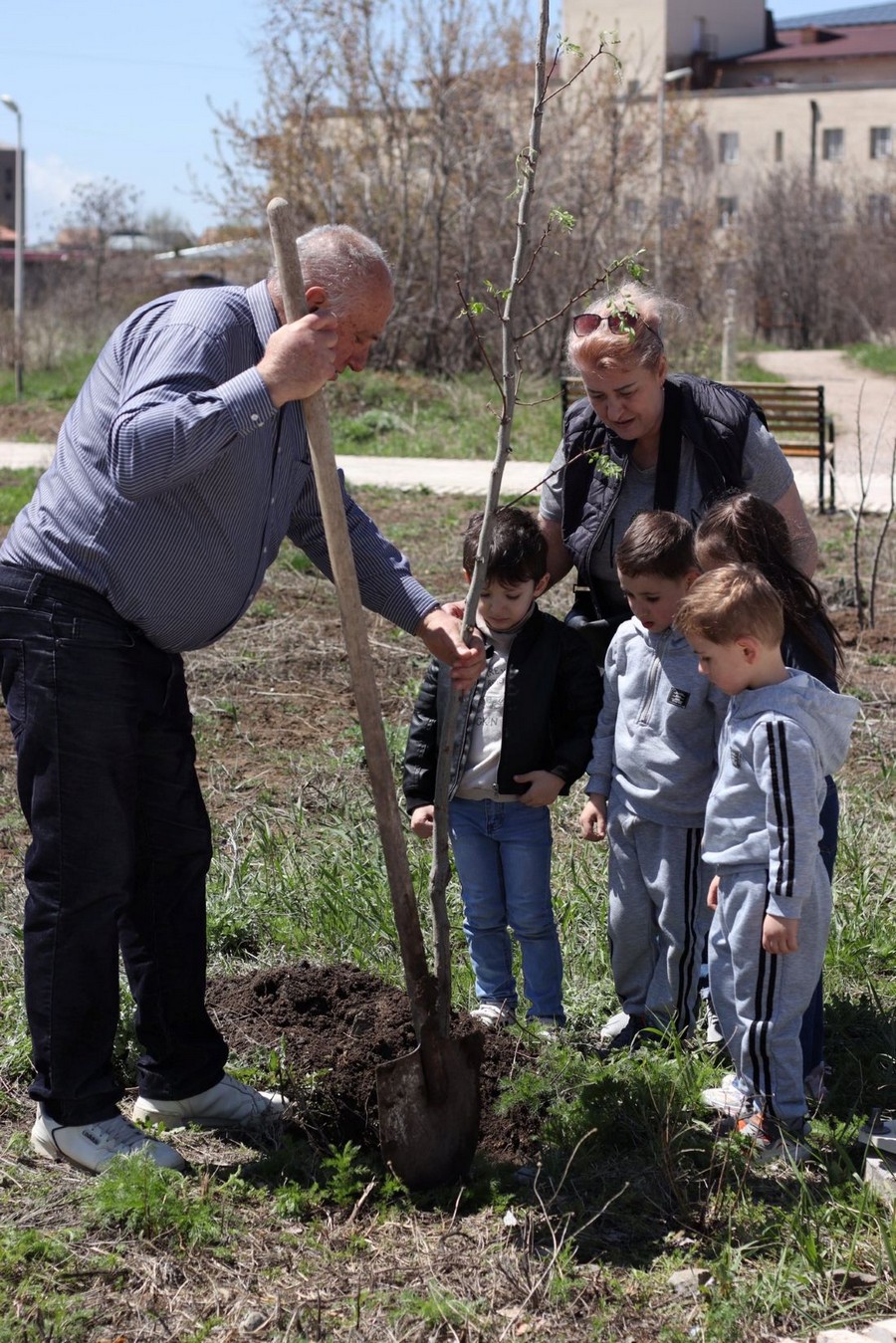
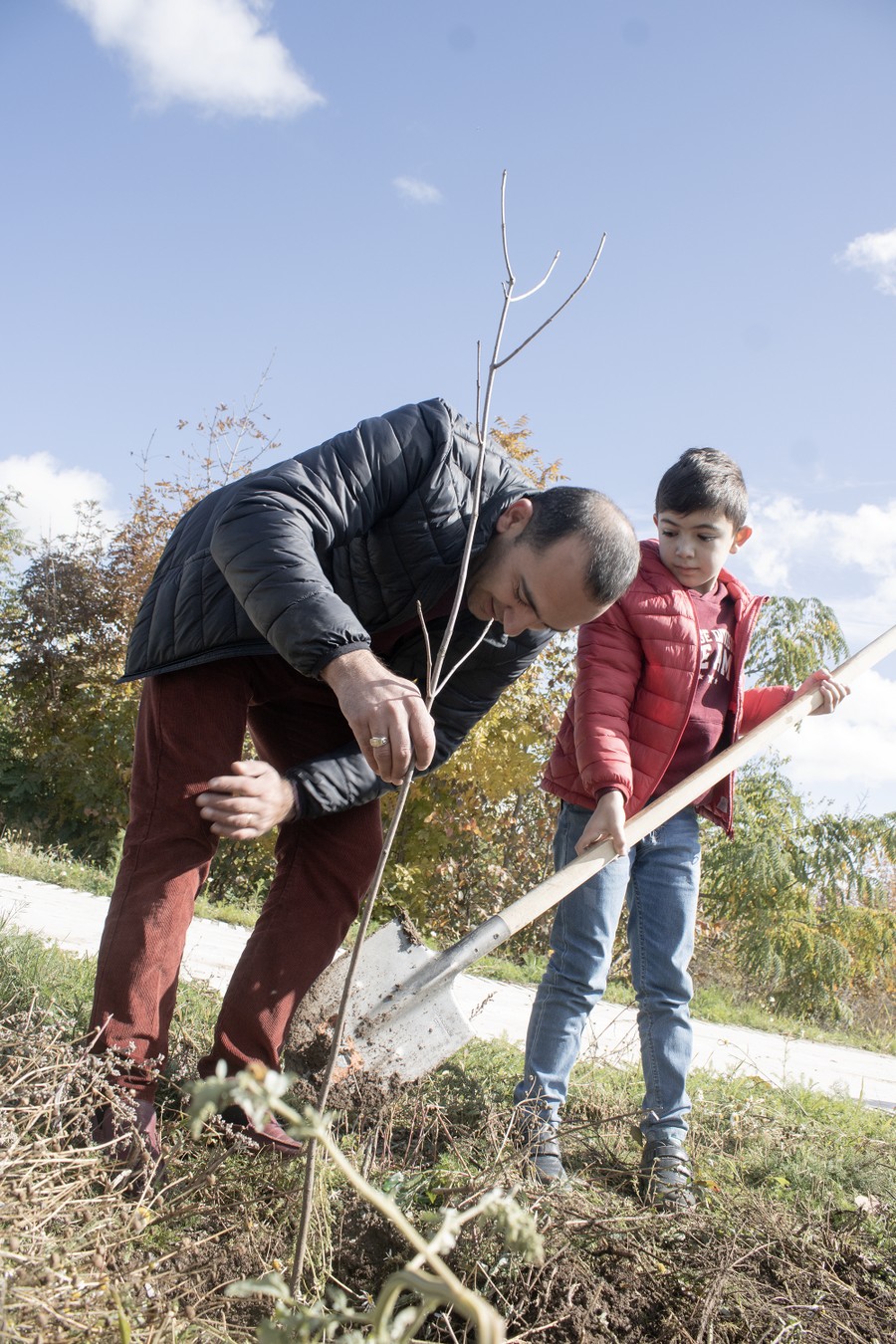
Tree planting
Establishing a Public-Private Partnership Model
In 2021, the World Bank joined the initiative to finance the infrastructure component, supported by the Government of the Republic of Armenia and the local municipality, thereby establishing a public-private partnership. Later, Deutsche Gesellschaft für Internationale Zusammenarbeit (GIZ) GmbH joined to support the ice rink component funded by the European Union.
“We can confidently say that the park reconstruction project stands as an effective example of public-private cooperation,” remarks Muradyan.
Current Amenities and the Final Vision
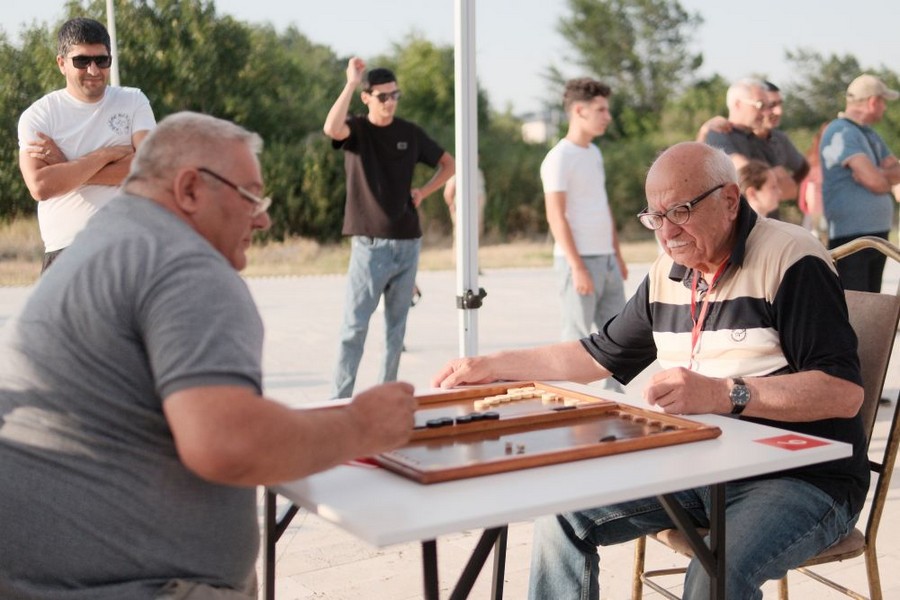
At this time, visitors can fully enjoy the sports infrastructure, which includes exercise equipment, facilities for basketball, volleyball, and table tennis, as well as a skate park.
“Another section features amusement rides, which are particularly important for children, as Gyumri previously lacked such entertainment venues. Naturally, locals and guests alike enjoy the ice rink during the winter months. The Vernissage pavilions are operational, allowing local artisans to exhibit and sell their craftsmanship. Additionally, the space has become a preferred venue for festivals. Whenever city events are planned today, the park is the primary location under consideration,” states Muradyan.
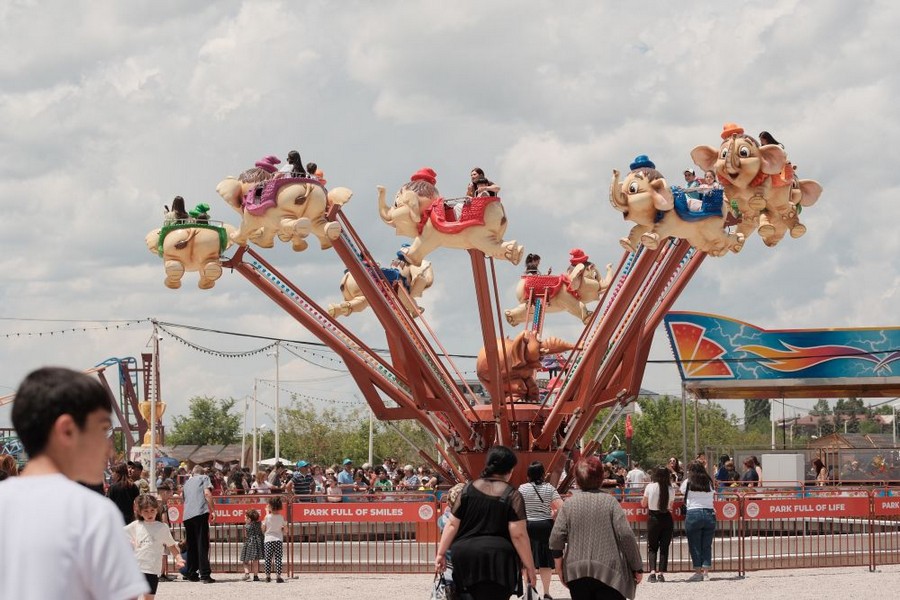
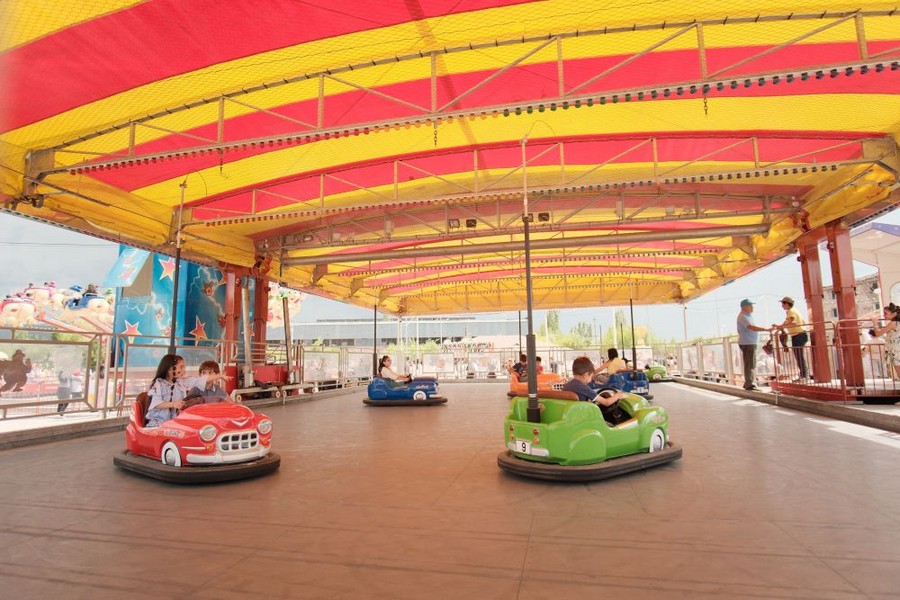
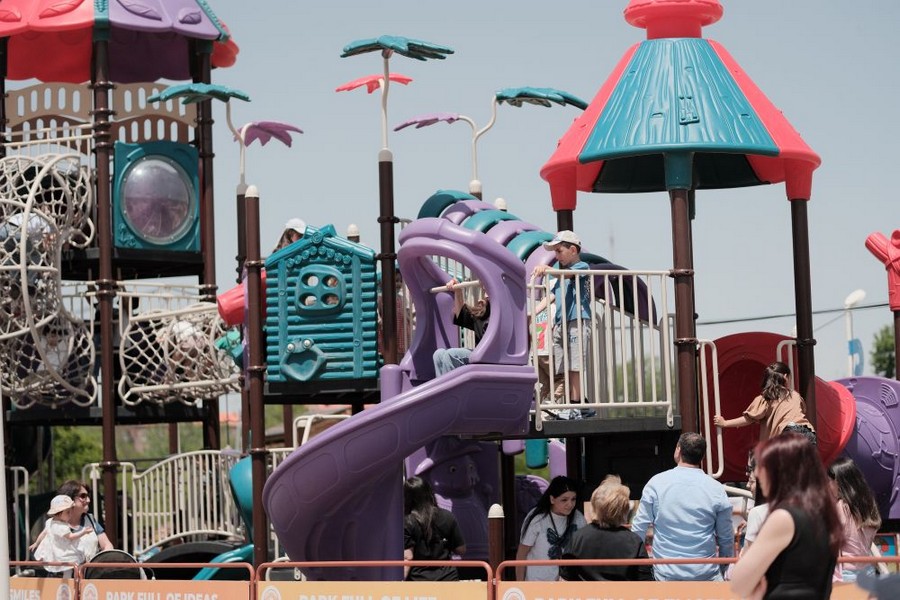
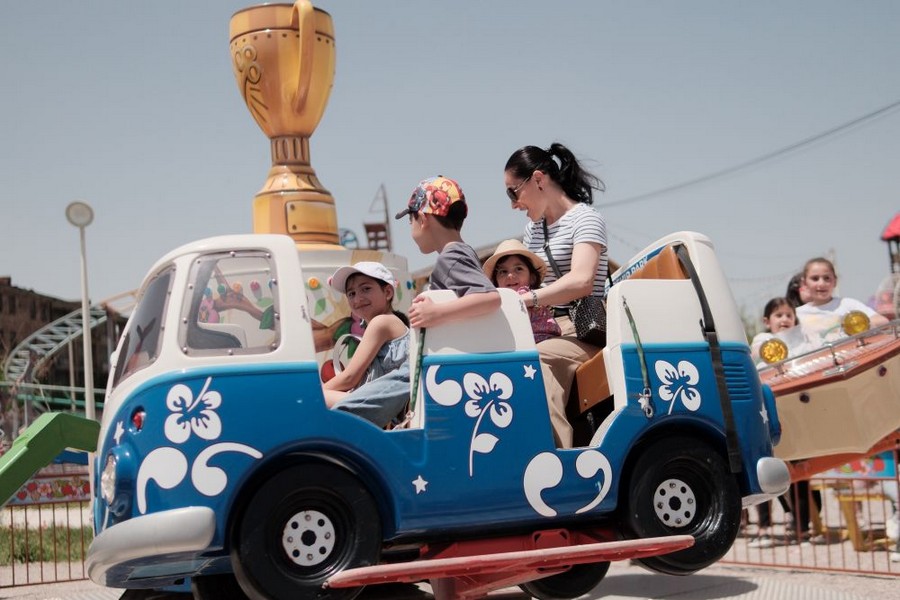
The park’s amusement rides
Several key components remain to be added, including a food court area, the second half of the playground, a community center, and a gardening school, among others. However, the majority of the investment, amounting to around $7.5 million, has already been injected, as the public infrastructure phase is the most capital-intensive. The total cost of the project is estimated at approximately $12.2 million, representing a substantial investment for Gyumri.
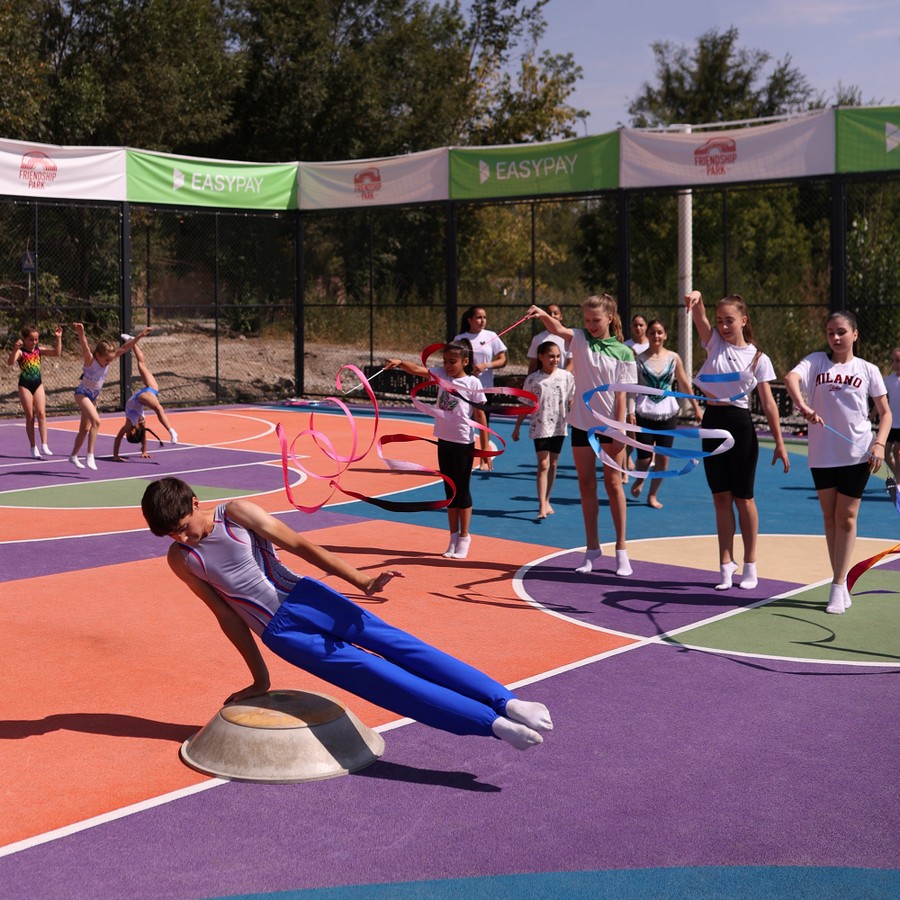
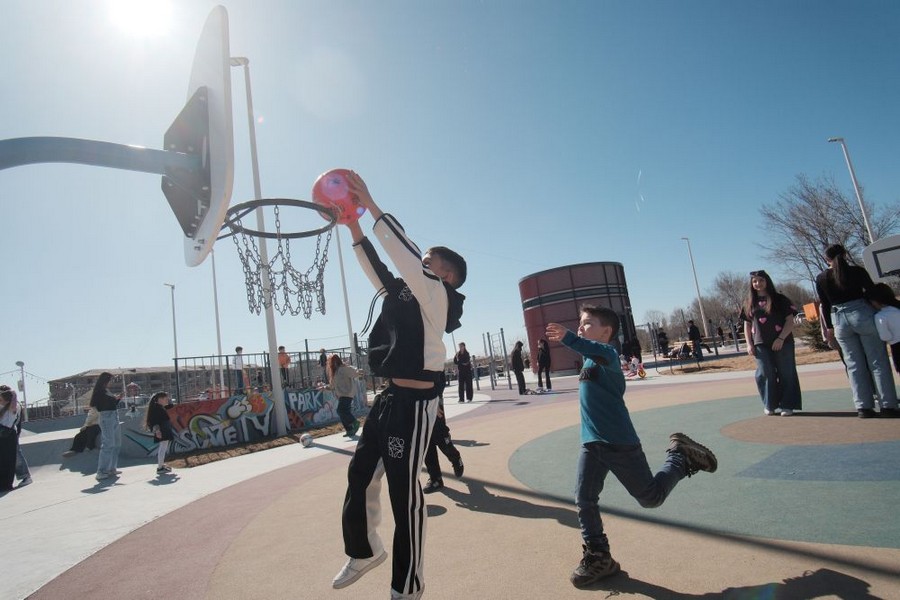
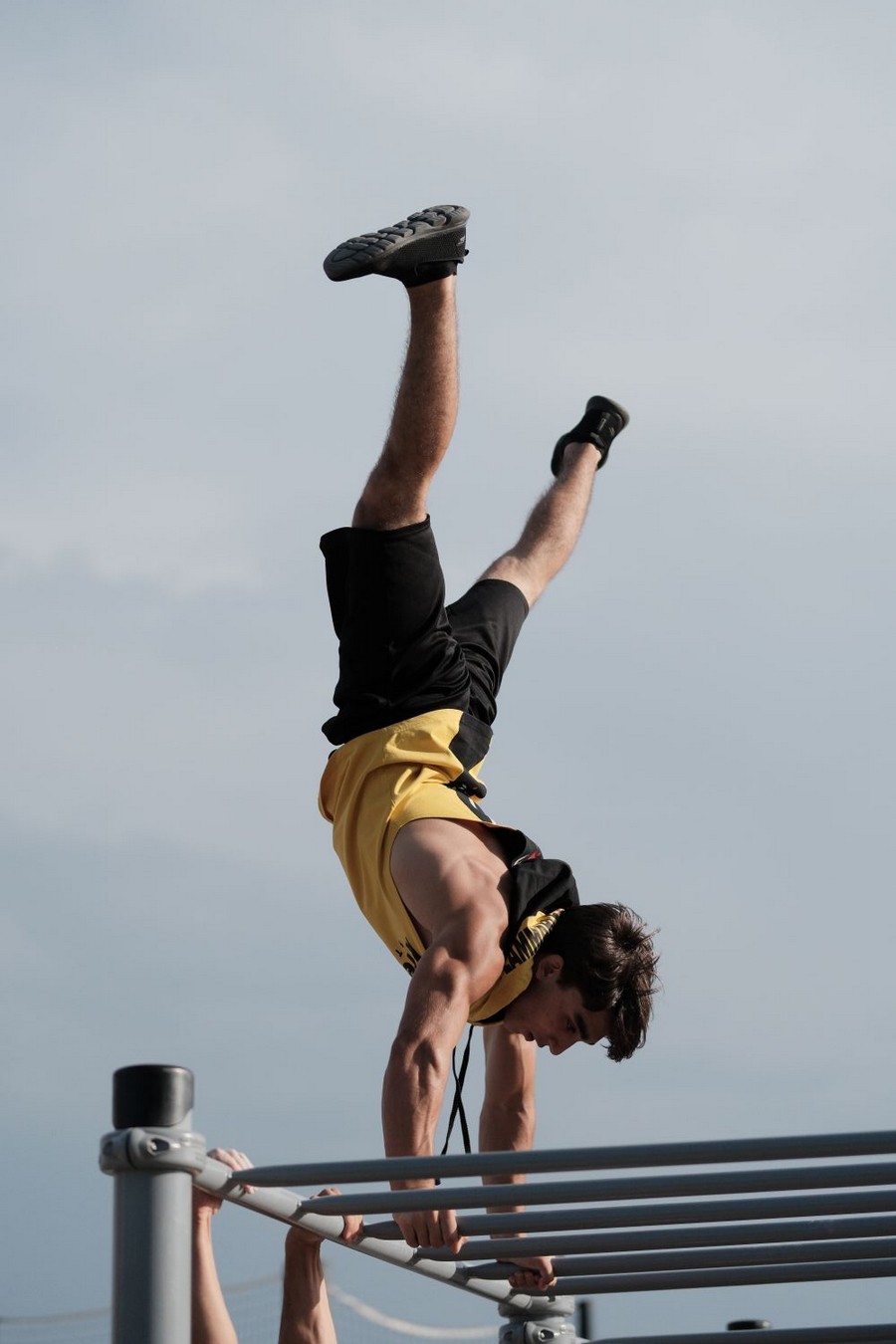
The park’s sports zone
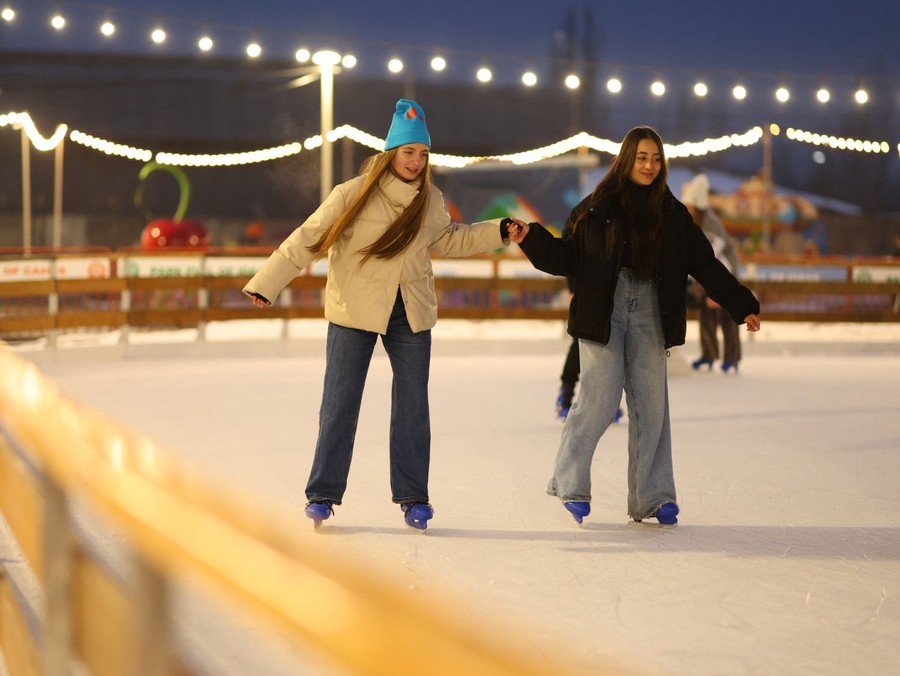
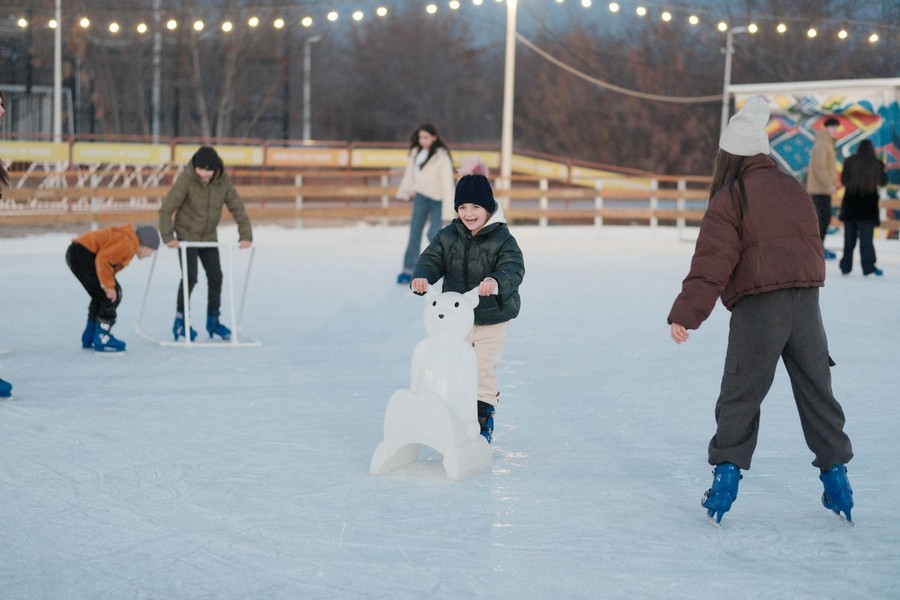
Leisure
Why Was This Non-Profit Investment Essential to Ruben Vardanyan?
“Like most of Ruben Vardanyan’s projects in Armenia, this undertaking was never about business or financial gain. It was designed to generate a clear social impact, which remains of paramount importance to him. As I just explained, that impact is already tangible, even prior to the project’s full completion.
While various partners joined the Friendship Park initiative along the way, it was Ruben Vardanyan’s personal vision that served as the catalyst for the entire endeavor. The realization of this project is a direct result of his personal efforts and dedication, and he remains its largest benefactor.
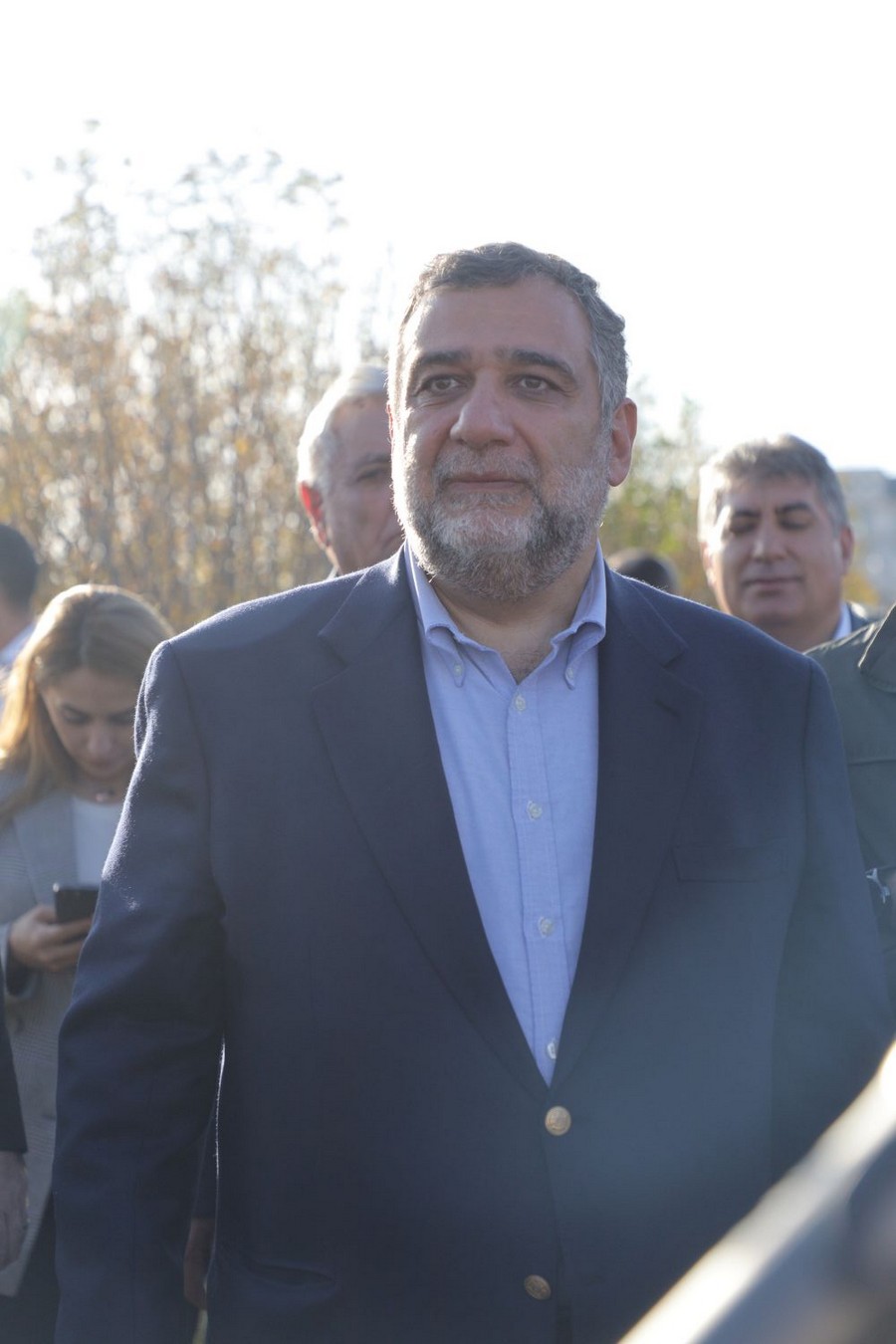
Ruben Vardanyan has a distinct passion for creating vibrant public spaces within urban environments, and this is not the only project of its kind that he has spearheaded. In Dilijan, he initiated a similar urban park restoration project by purchasing fragmented parcels of the former city park from various private owners, unifying the land, and developing a park. There, too, he made a substantial investment of over $4 million.
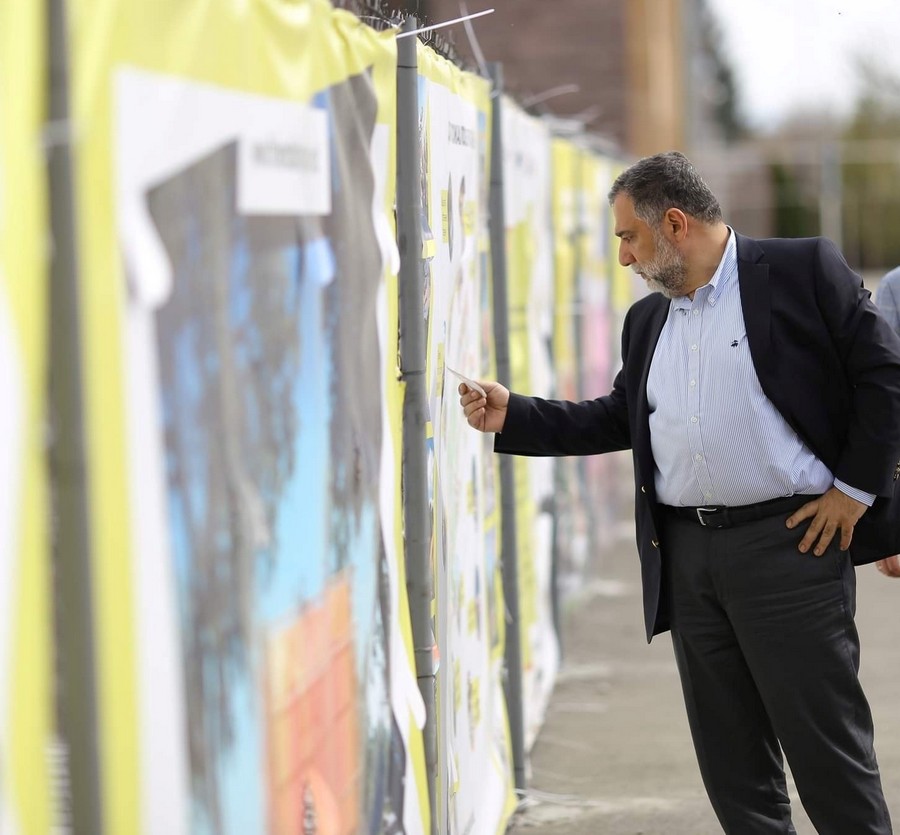
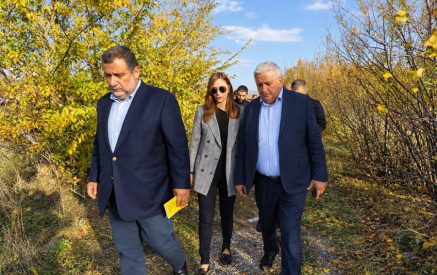
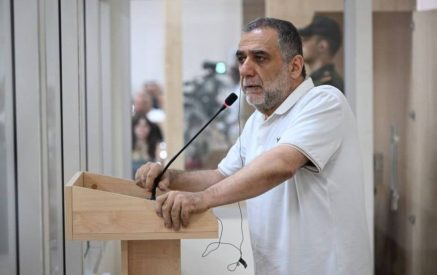
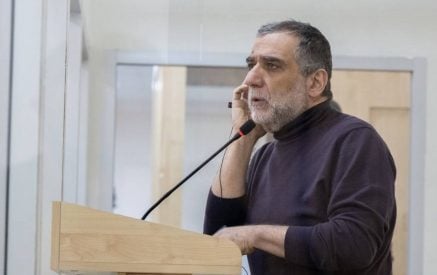
Ruben Vardanyan reviewing the work at Friendship Park (May 2022)
I believe that without Ruben Vardanyan’s ambitions, community-centered vision, both Gyumri and, even more so, Dilijan, would look very different today. His ideas and initiatives are solely driven by positive change, development, and the future. He wanted to make Armenia better, and rather than waiting for others to do it, he stepped up himself,” concludes Muradyan.
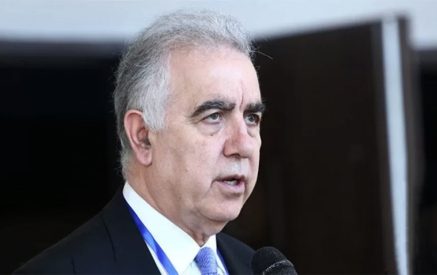
Main photo: Elena Muradyan with Ruben Vardanyan
Aravot daily
31.10.2026