



























The first thing that caught my attention at Chorsu Bazaar in Uzbekistan’s capital, Tashkent, was the sheer variety of embroidered items: colourful chapan robes, pillowcases and large covers. Even the women and men selling them wore embroidered details on their clothes, hats or bags.
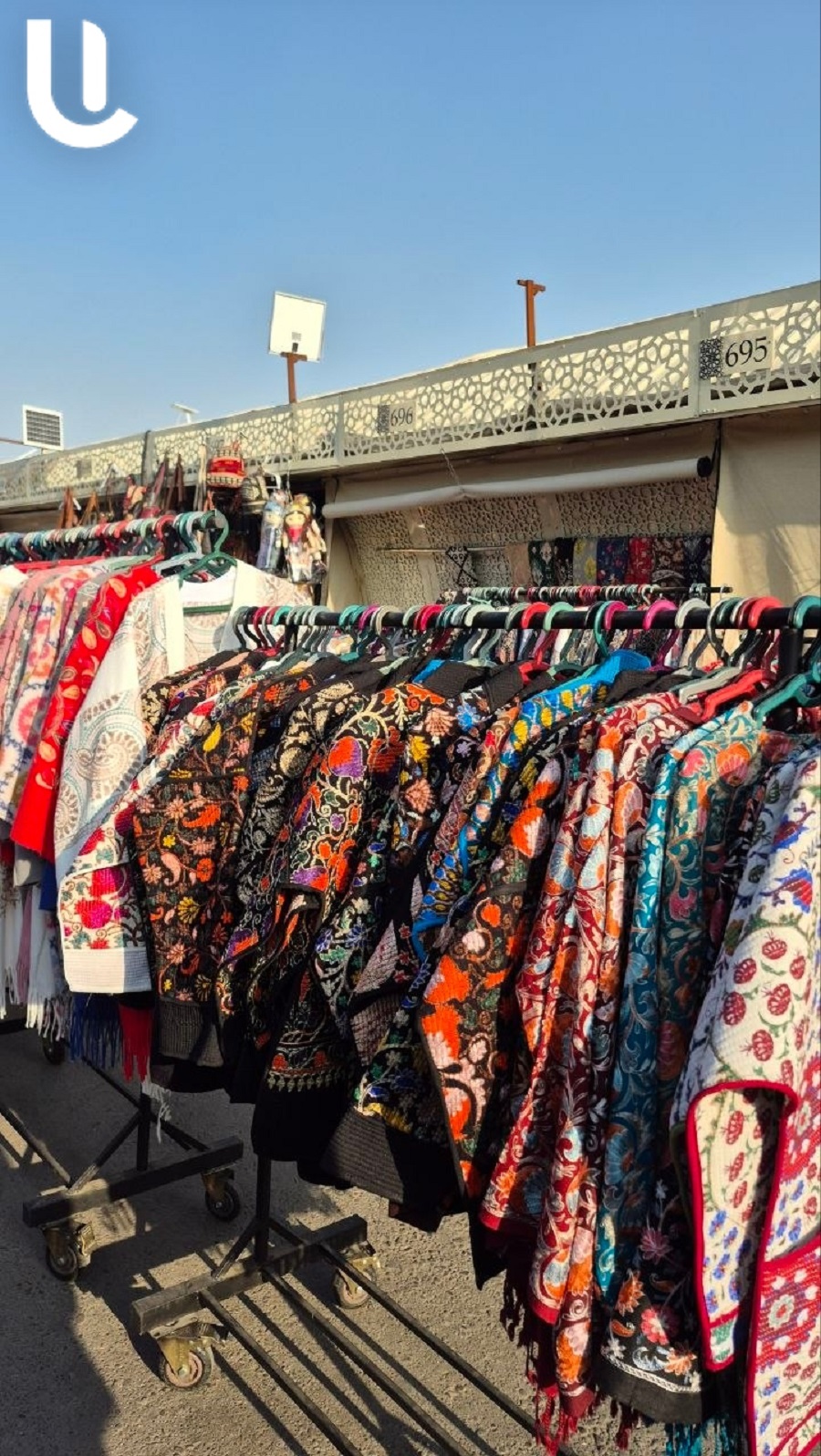
Chorsu
Figuratively speaking, Uzbekistan welcomed me as a country through which the Silk Road had passed, leaving behind an endless fairytale woven from silk threads, waiting to be told and retold. One of those threads led me to Tashkent’s Suzuk Ota neighbourhood, home to the centre established by Madina Kasimbaeva, one of the finest masters and guardians of Uzbek embroidery, operating under the brand name Suzani by Kasimbaeva.
Before telling the story of Uzbek embroidery, this complex, built with state support on land provided by the President of Uzbekistan, tells another story: one of boundless love, an unwavering determination to fulfil a dream, and the warmth of a family that gives a person wings. I came to this realisation while talking to Madina Kasimbaeva’s brother, Hasan. He arranged my tour of the centre, showing me the workshop, training centre, gallery and showroom located within the complex.
Read also


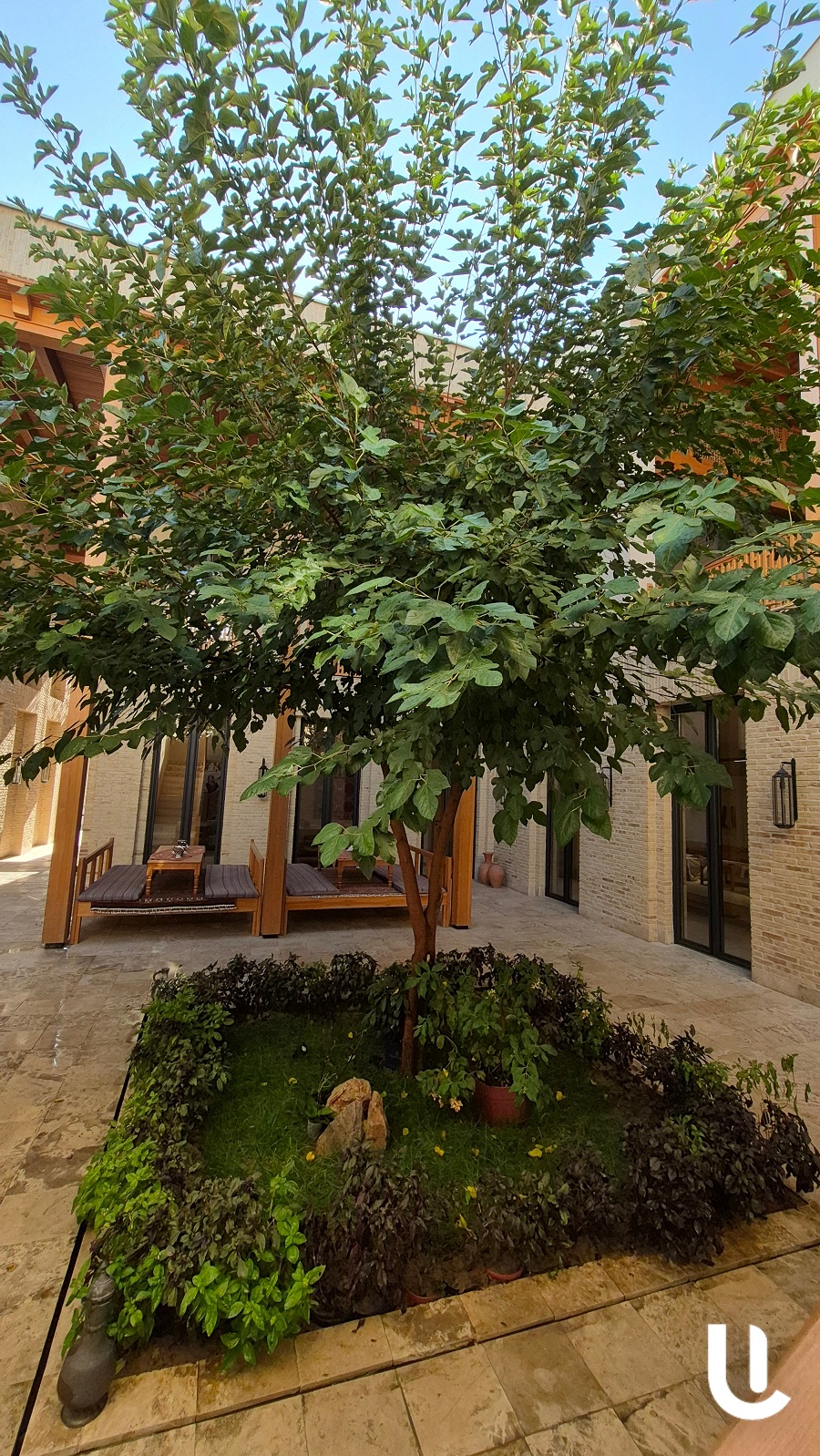
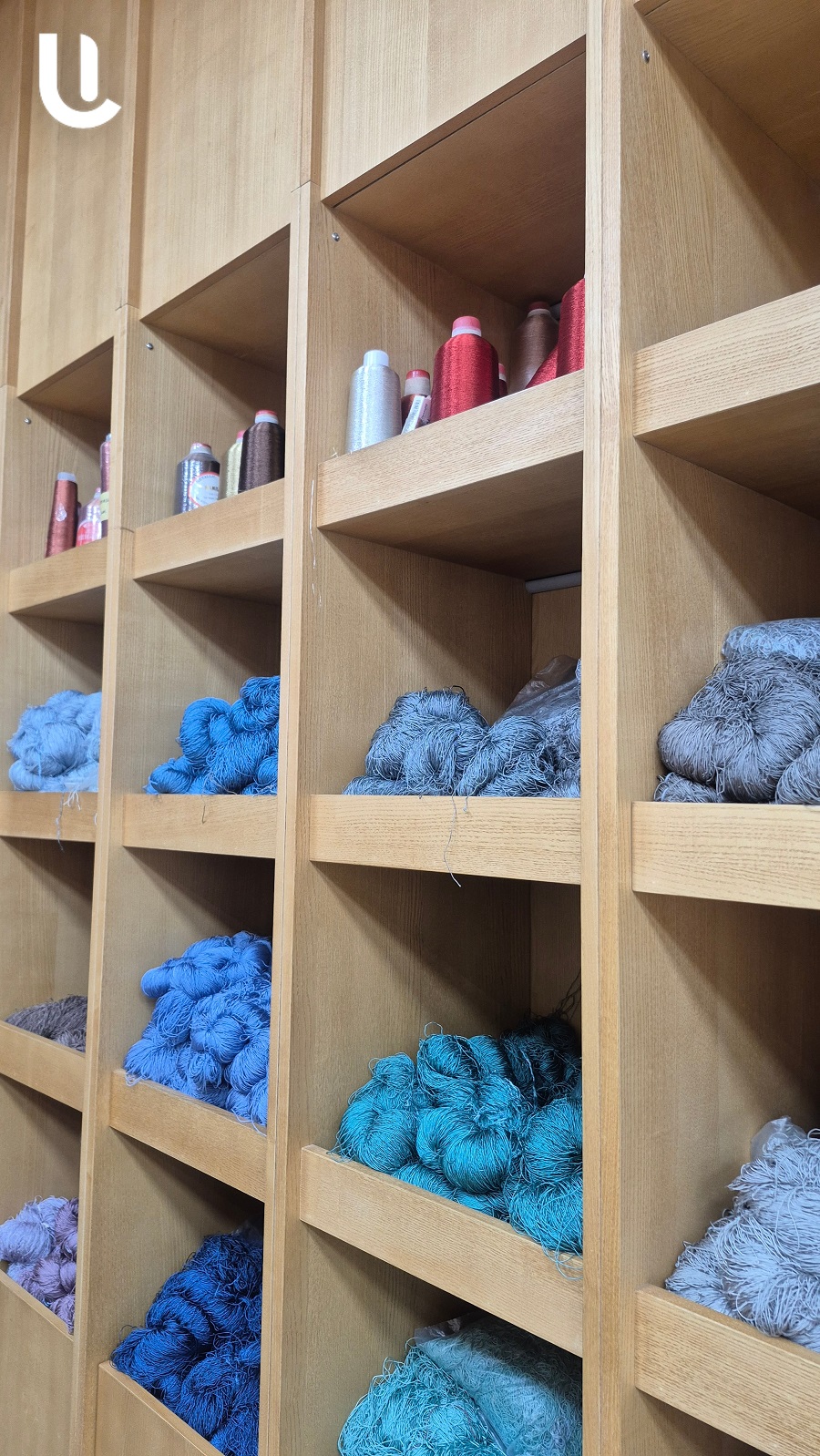
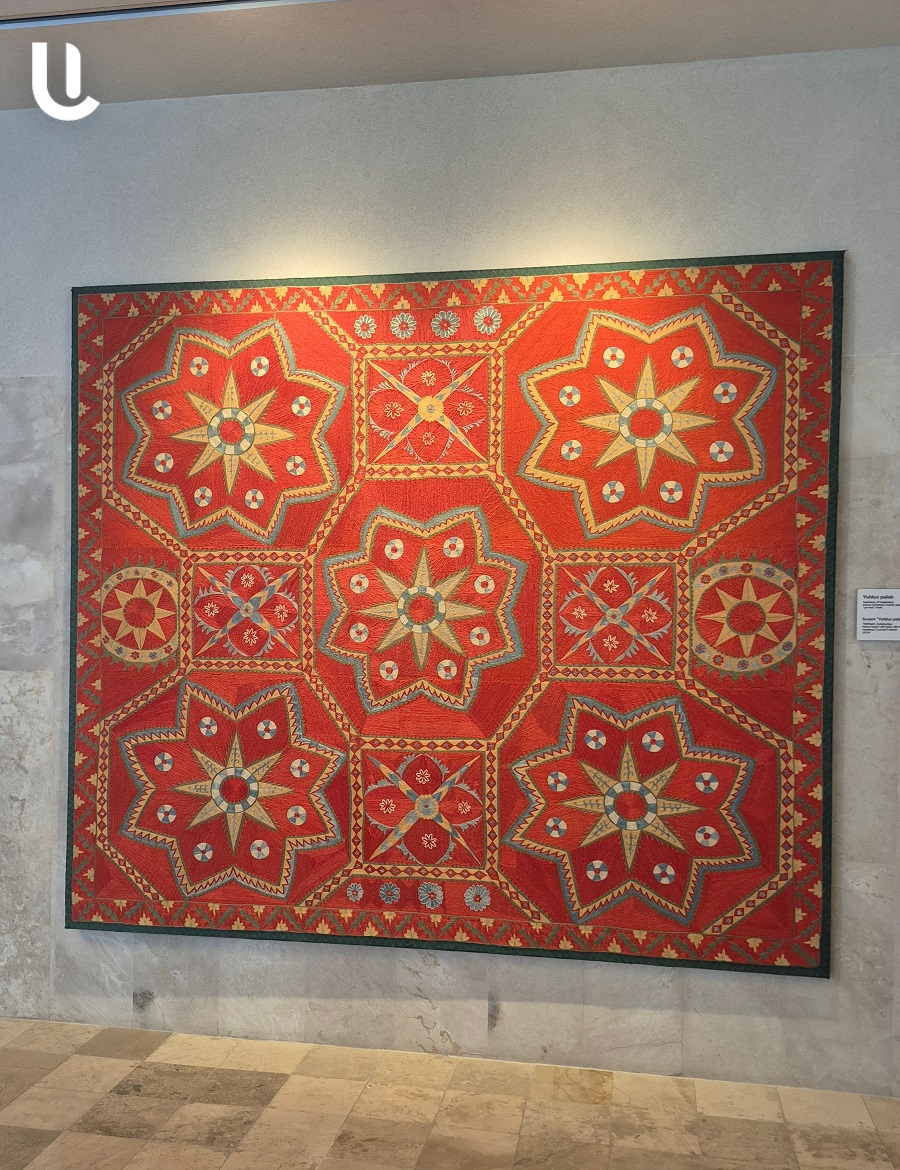
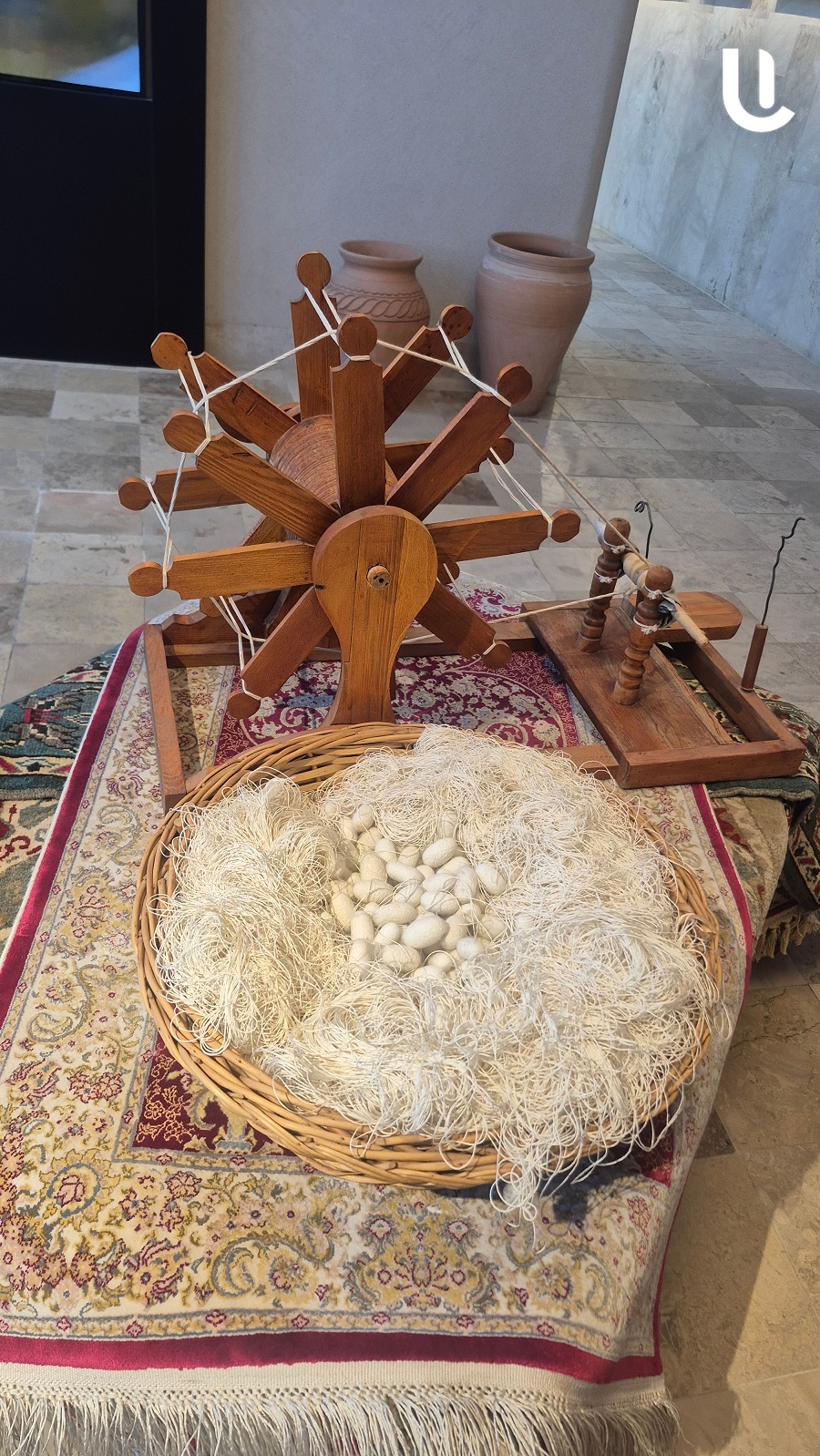
It was an unforgettable journey. It allowed me to discover the entire path, from the silkworm cocoon nestled on a mulberry tree to silk thread, from thread and needle to the largest suzani in Tashkent. As for the number of stitches Uzbek women must have made on their adras fabric to make my little journey possible, one can only imagine that they were as numerous as the stars in the sky. And this is no exaggeration, particularly since stars and celestial bodies in general are among the principal motifs of Tashkent’s palak embroidery tradition. These motifs are rooted in Central Asia’s ancient worldview and pre-Islamic cultural layers.
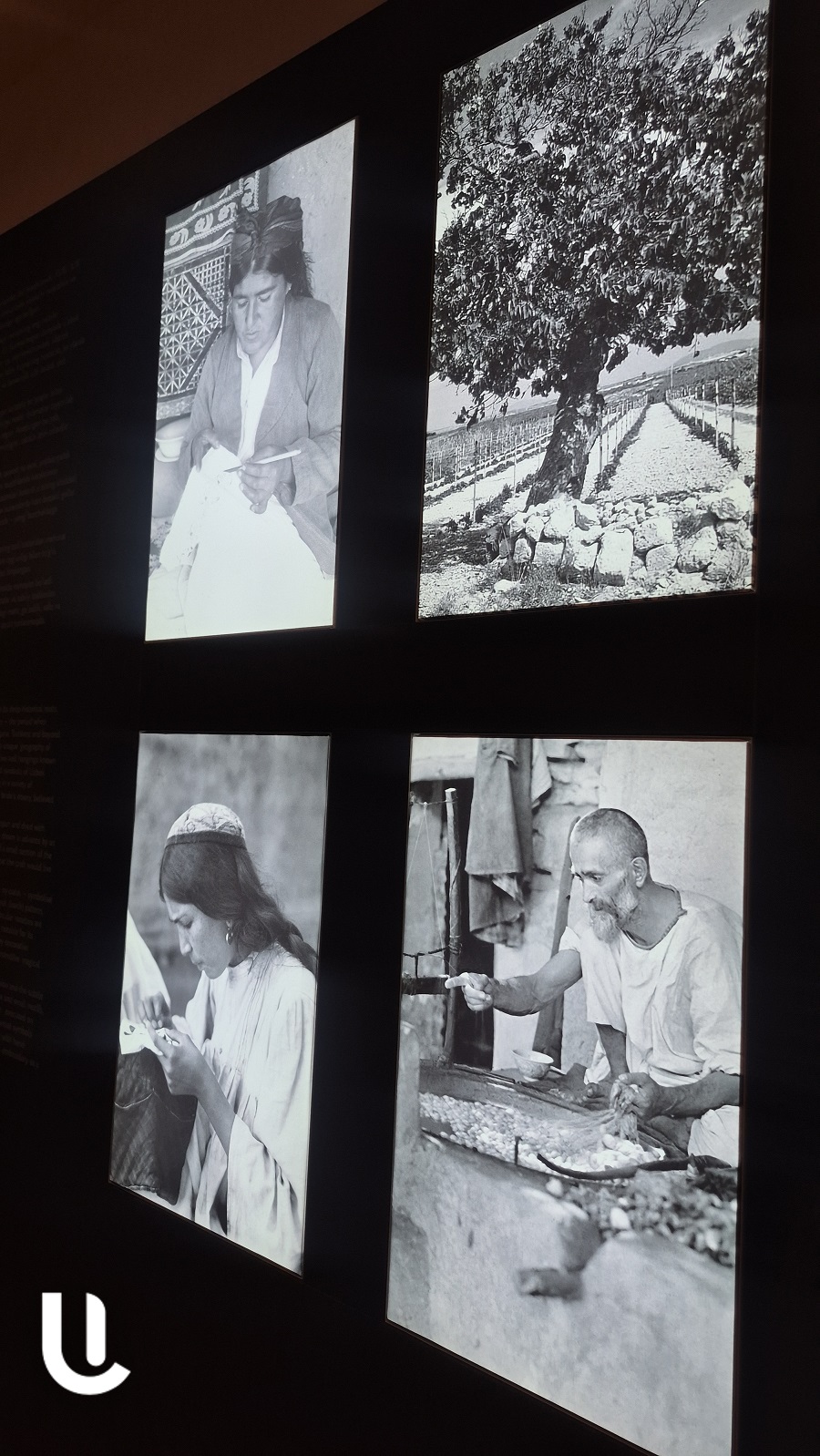
Embroidery has long been a traditional occupation in the countries of Central Asia. The region is particularly known for producing large decorative panels called suzani. The word comes from the Persian suzan, meaning “needle”. Although it originally referred to just one type of embroidery, today the term is used more broadly to describe embroidered decorative panels.
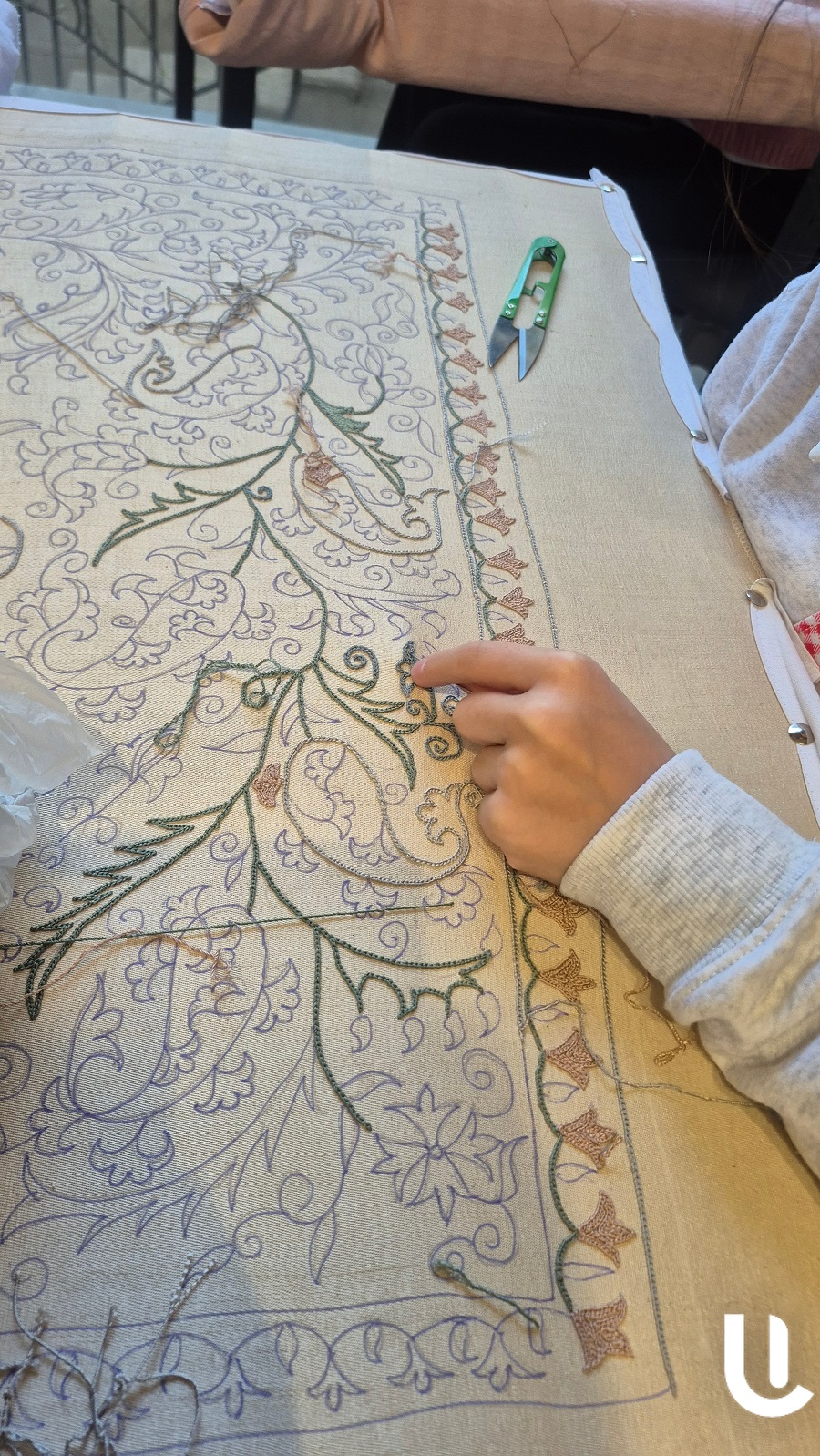
Since ancient times, suzanis have occupied an important place in Uzbek family life. They were used to decorate the walls of homes and divide interior spaces. The patterns were conceived and sketched by master artisans, while the embroidery itself was primarily done by women. Girls were often introduced to the craft in childhood so that, by the time they married, they would have completed an important part of their dowry.
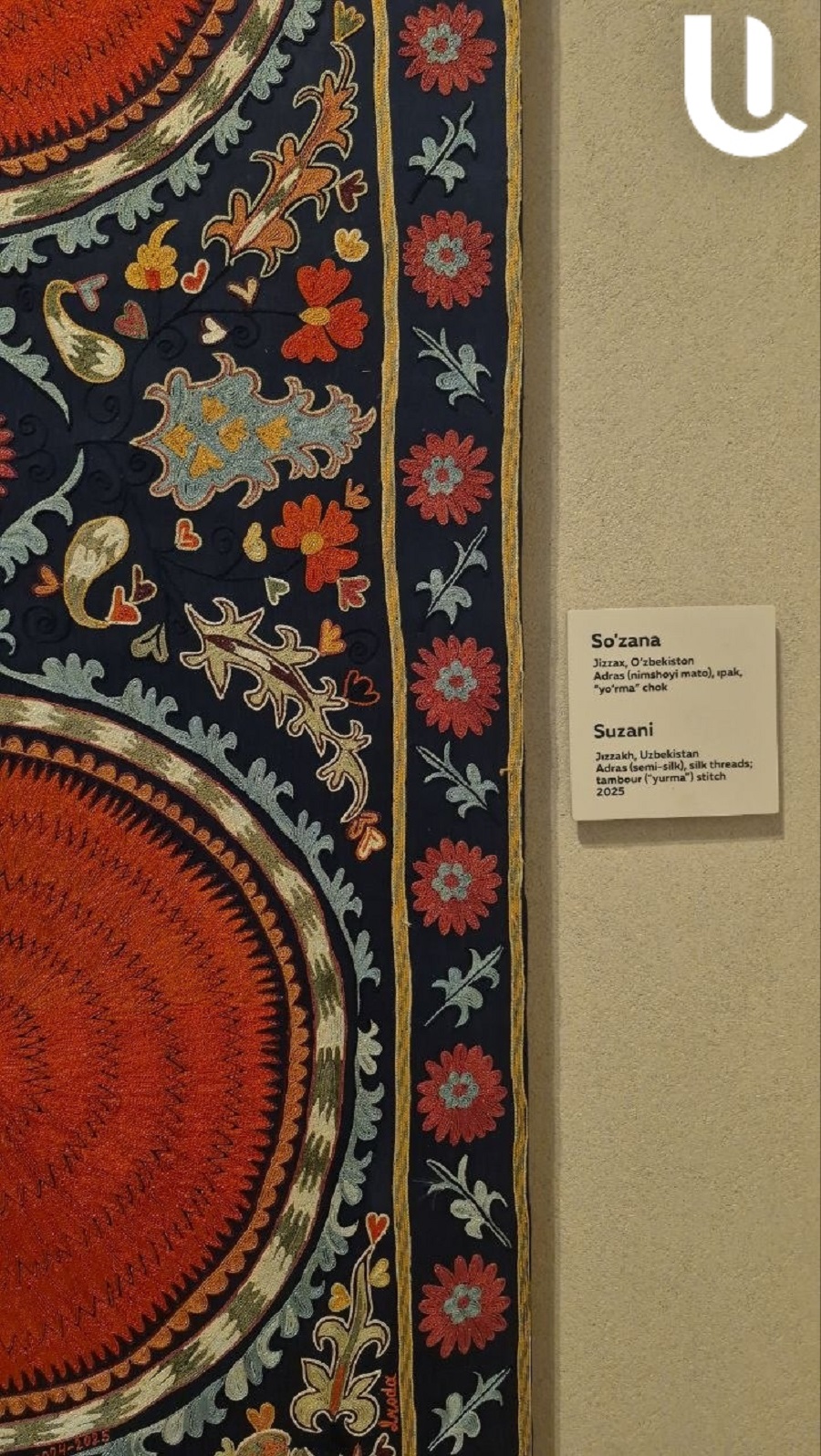
Madina Kasimbaeva was one of those children who grew up watching her grandmother embroider at home. Today, her handmade creations are featured in the permanent collection of the British Museum, and she is a recognised name in the worlds of art and fashion.
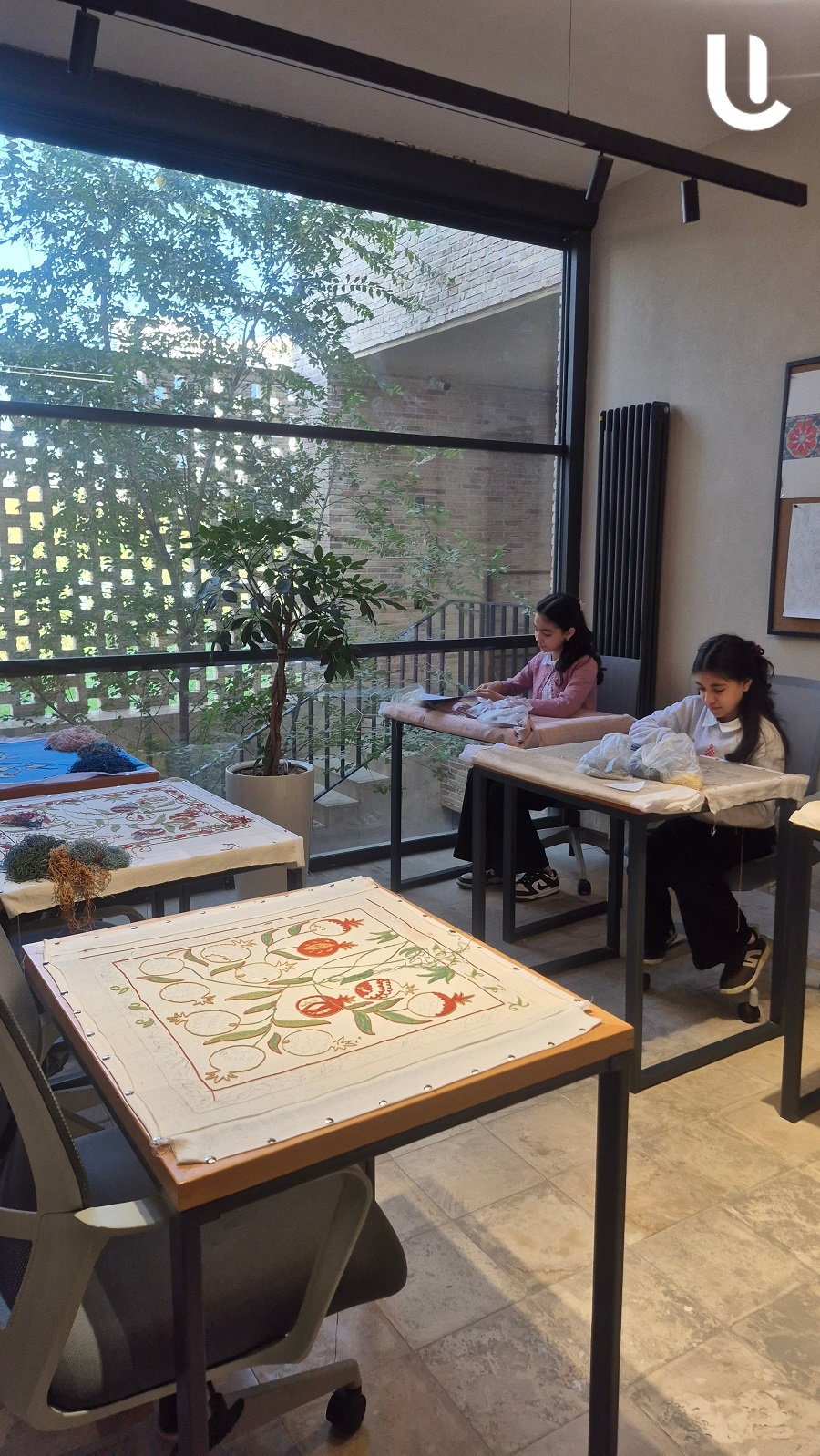
“Do women in your country still enjoy embroidery?” I ask Madina’s brother, while trying to pick up a secret or two of the craft by observing the movements of the women working in the workshop.
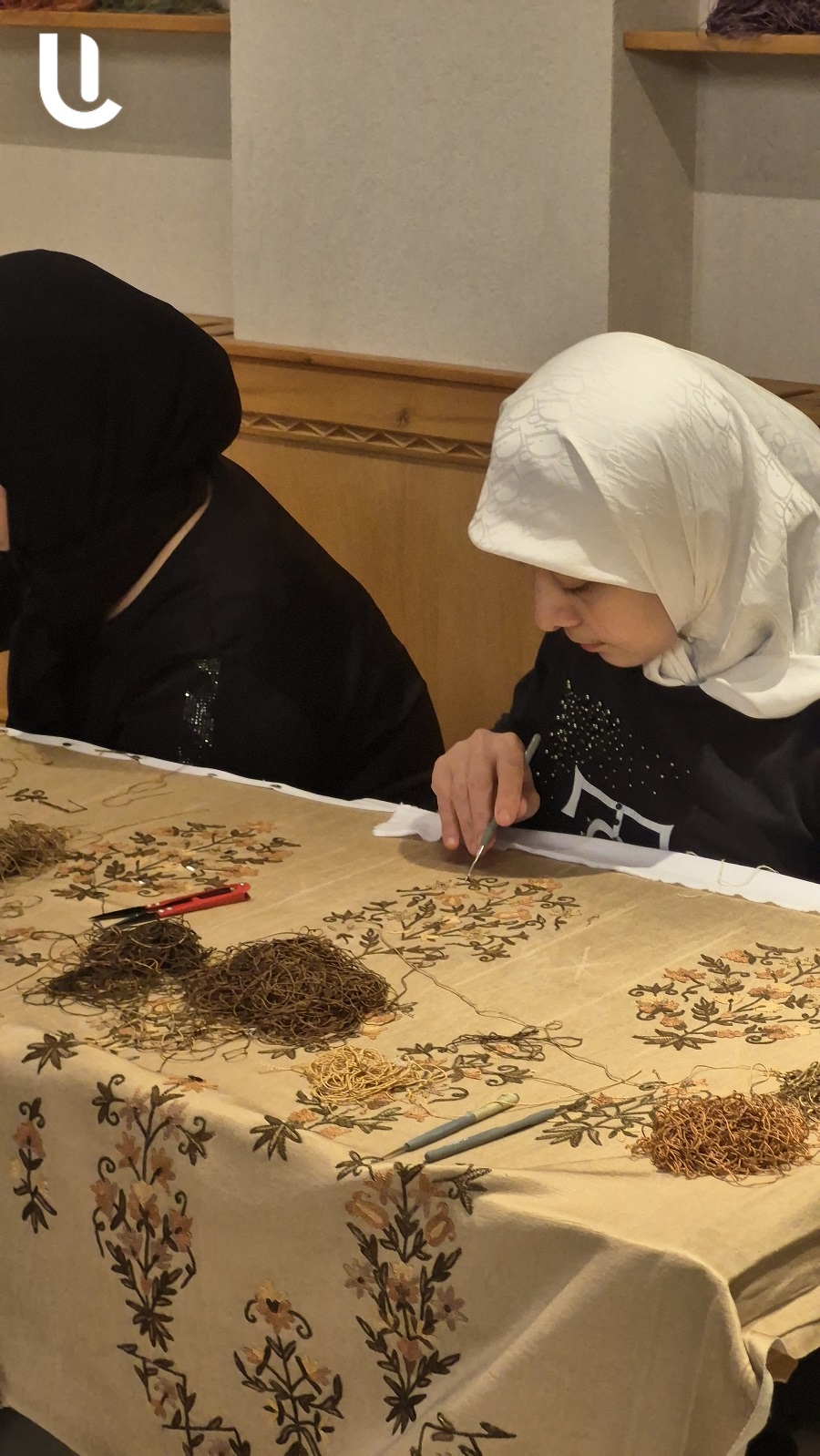
“Of course. We have many employees today. Many of them are homemakers or women who have other jobs. After work, they come here, take a pattern and continue embroidering at home. My wife and daughter-in-law also embroider. Our entire family is deeply involved in this work. Over the years, Madina has taught the art of suzani embroidery to around 1,000 students, and many of them are now engaged in this craft themselves.”
Watching the enthusiasm with which Madina’s brother introduces us to every corner of this embroidered world, one begins to understand just how much his family has supported this talented woman on her journey towards fulfilling her dreams.
Madina Kasimbaeva has not only breathed new life into Uzbek embroidery traditions, particularly those of the Tashkent school, making a significant contribution to their modernisation and promotion. Through the establishment of her centre, she has also created an important social impact in the capital, offering numerous women opportunities to express their creativity and earn a living. As a result, the Kasimbaeva centre has become one of the landmarks of Tashkent’s Old City, attracting hundreds of visitors from around the world, including lovers of art and handicrafts, as well as well-known personalities.
“I’ll show you something at the end that symbolises Armenian-Uzbek friendship,” Madina’s brother promised at the beginning of our meeting.
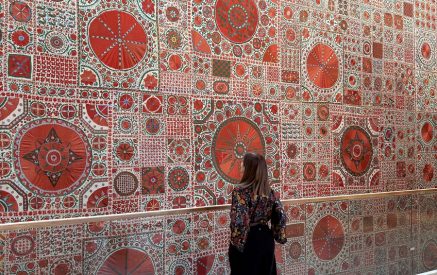
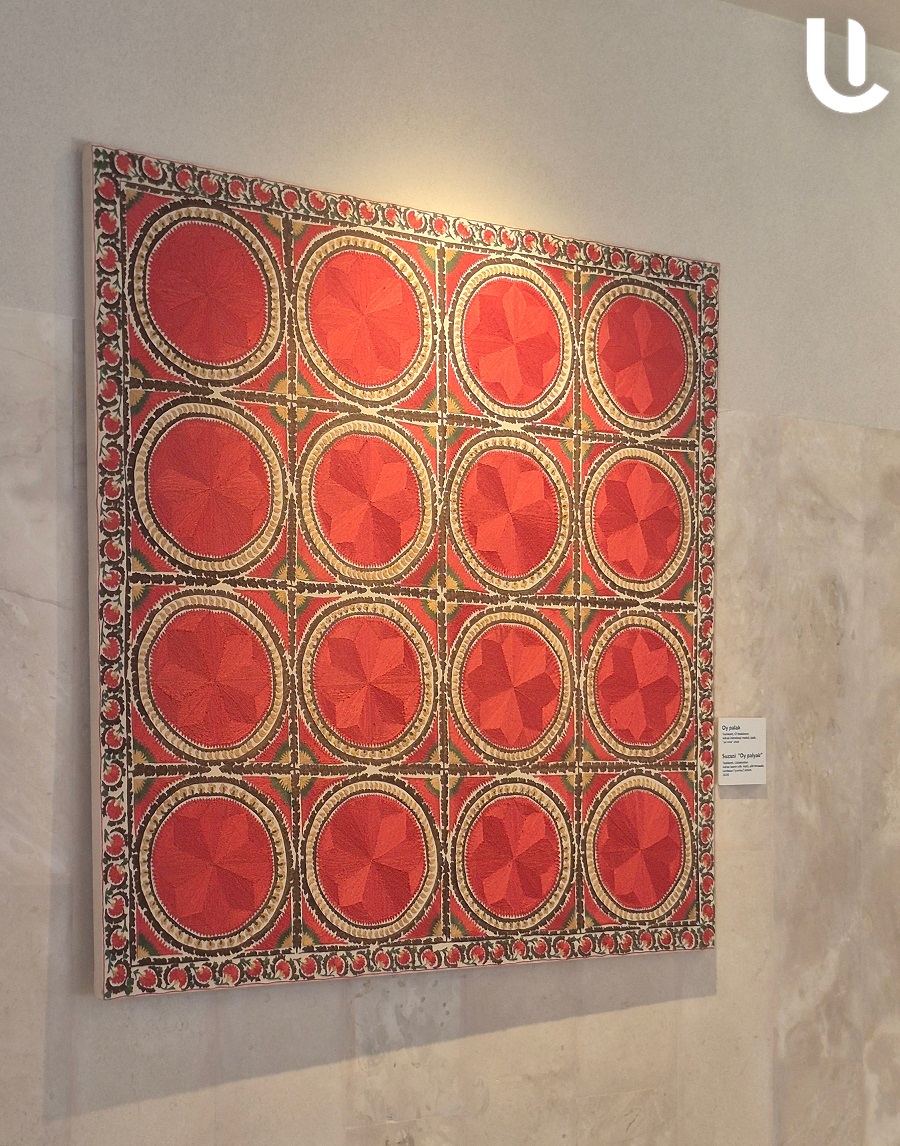
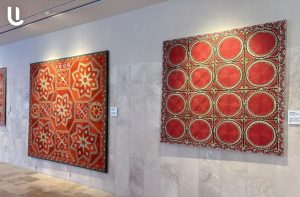
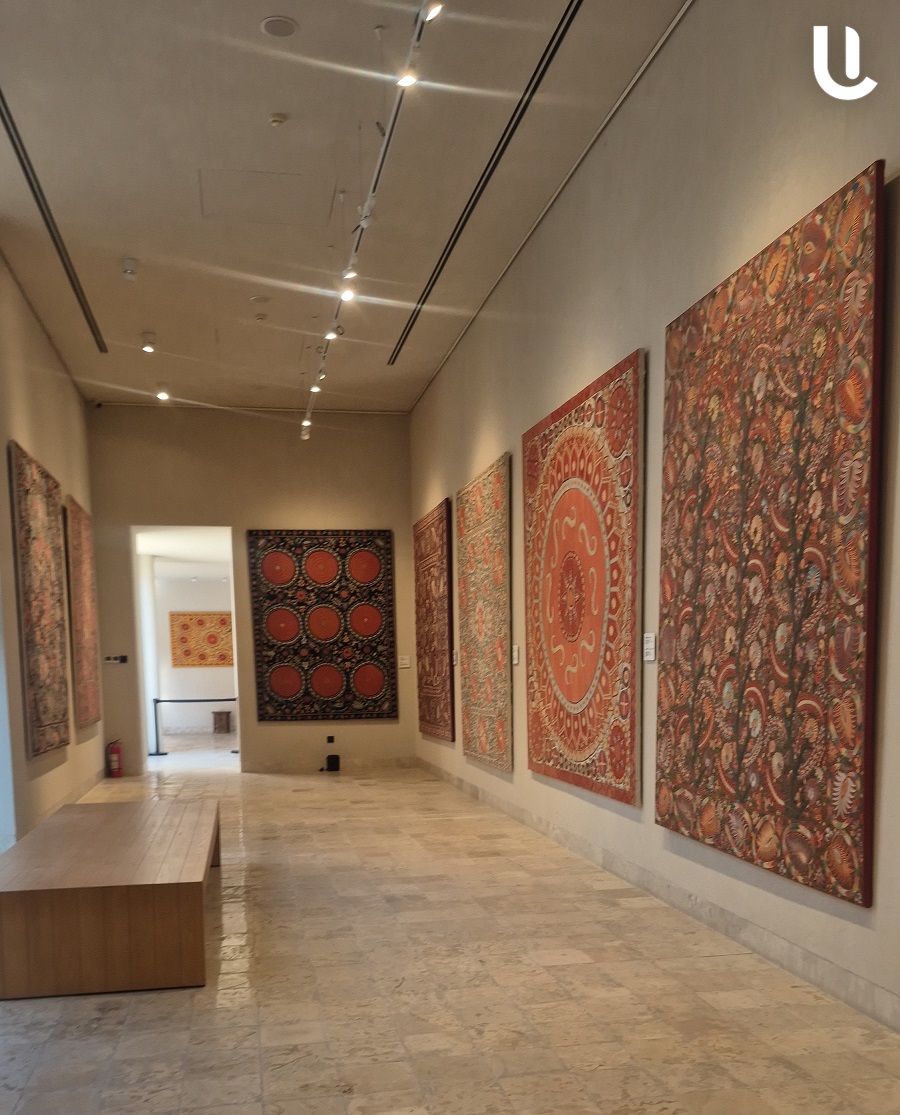
But before reaching that final stop, we had a tour of the gallery, a veritable paradise for embroidery enthusiasts. It showcases suzanis representing and combining the traditions of Uzbekistan’s various embroidery schools: Tashkent, Bukhara, Samarkand, Nurata, Shahrisabz and the Fergana Valley.
Unlike the dazzling variety of vivid colours found in the embroidered items at Chorsu Bazaar, the shades here seemed much softer and more harmonious. Perhaps it was because they reminded me of the colours used in Armenian miniature painting, derived from Armenian cochineal red, lapis lazuli and yellow lead pigment.
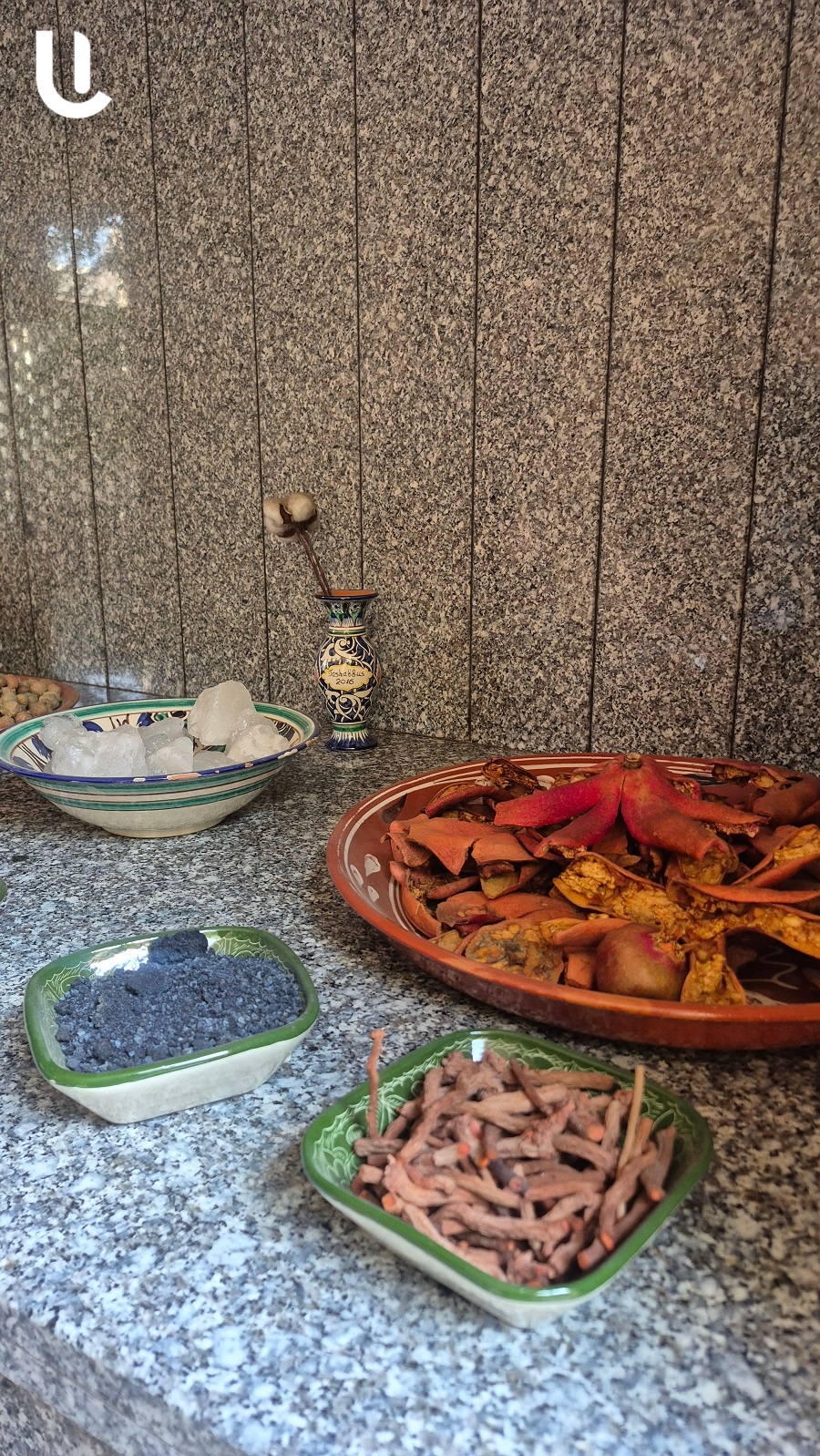
Here, too, silk threads and fabrics are dyed on-site, exclusively with natural dyes. The raw materials include walnut shells, saffron, madder and indigo.
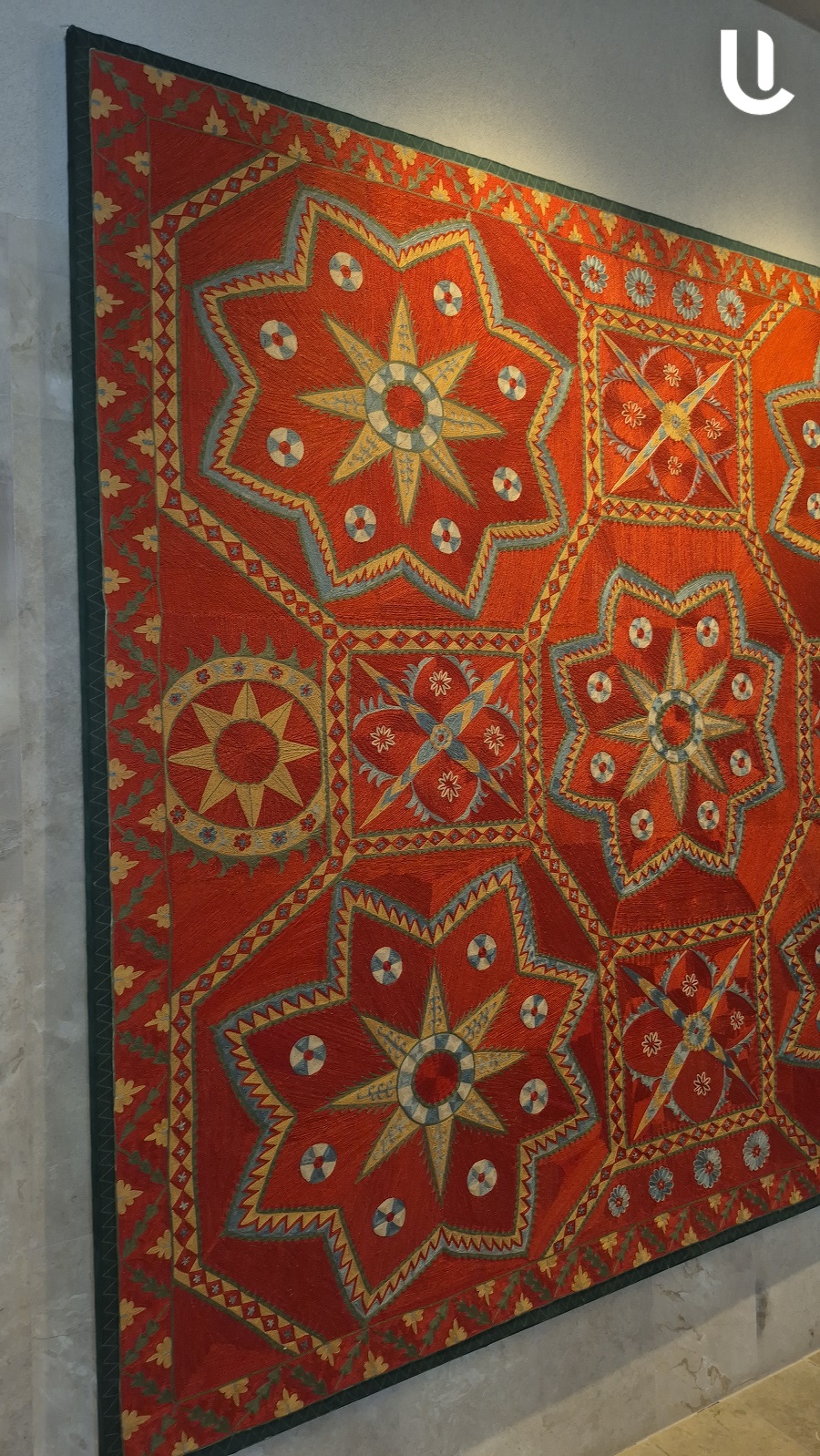
The gallery features a dynamic visual display illustrating the birth of a suzani, from the very first stitch to the completed composition. And when you reach the final image in the sequence, an extraordinary sight unfolds before you: the complex’s main treasure, Uzbekistan’s largest suzani, measuring eight metres in length and 5.5 metres in width.
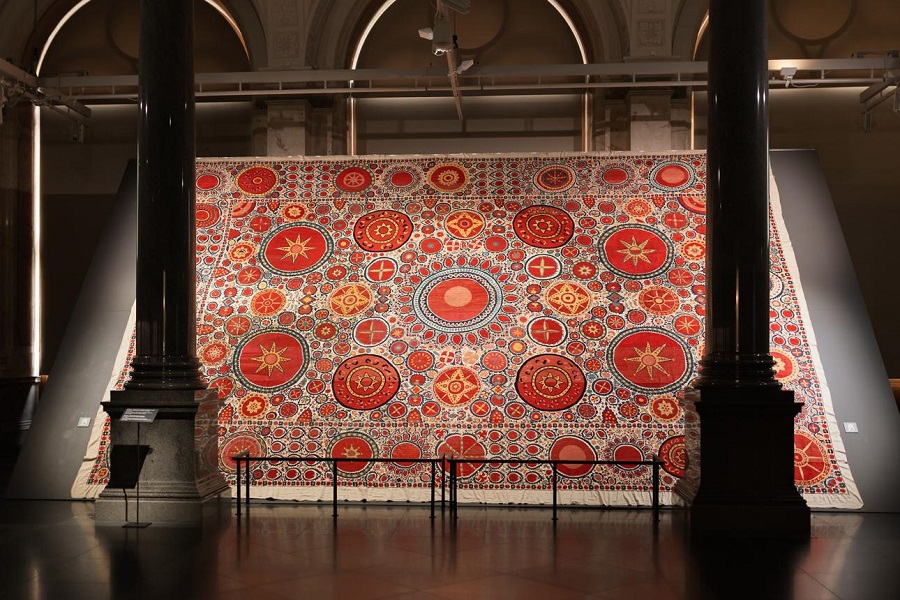
Madina’s brother explains that 80 women worked on this suzani for several months. It is a striking example of the palak school, creating the impression of both a celestial map and a blossoming garden. Its composition brings together geometric and astronomical motifs with elements from other Uzbek embroidery traditions, including pomegranates symbolising fertility and ornamental patterns reflecting the diversity of the plant and animal worlds.
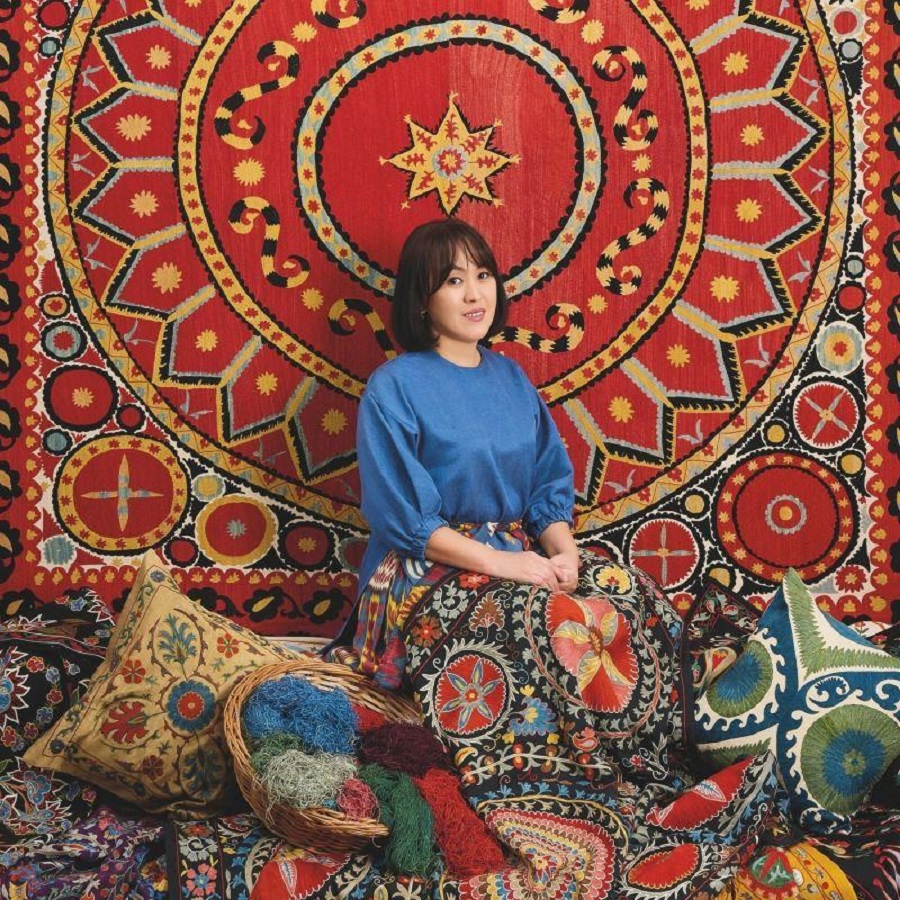
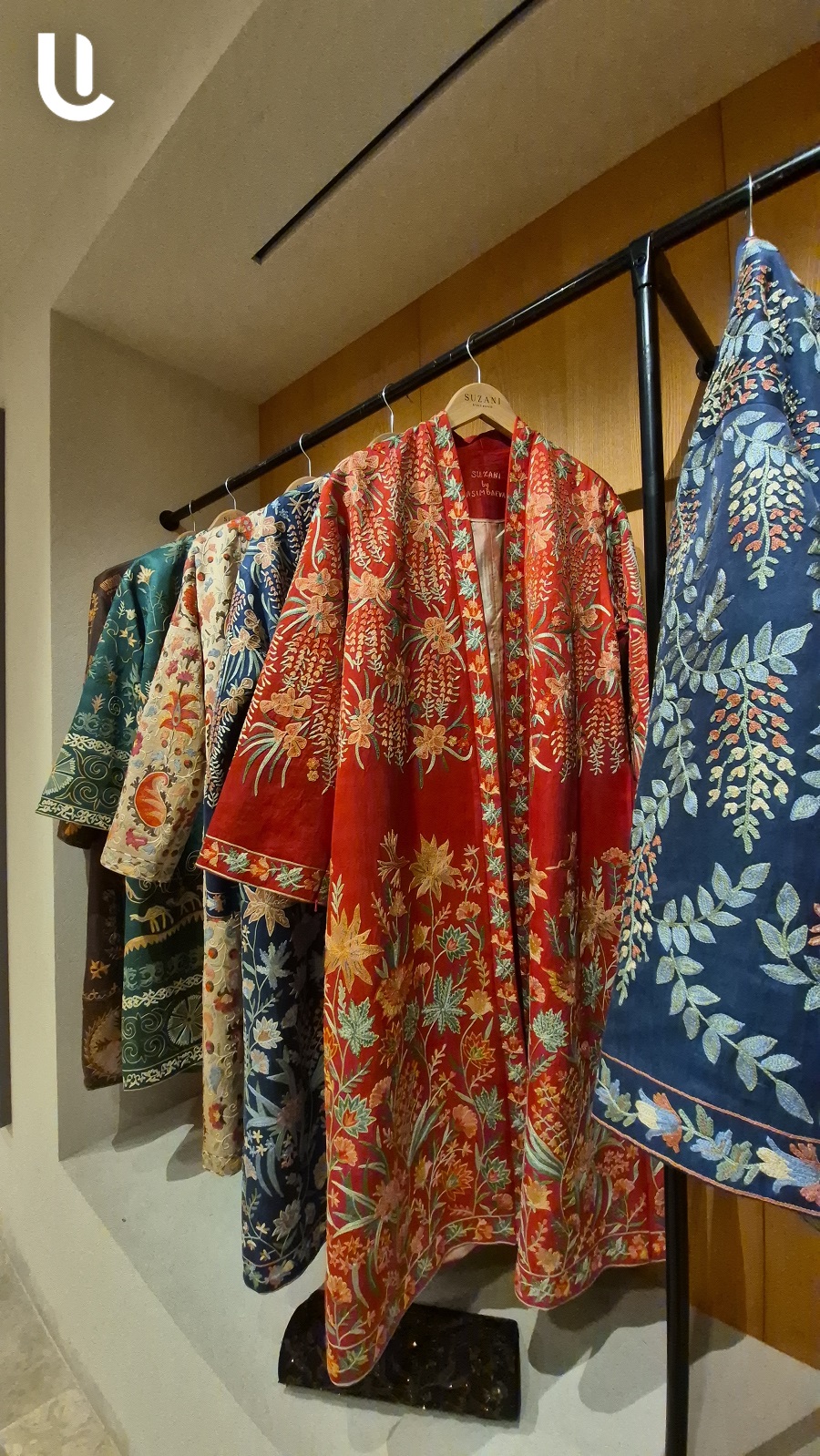
The combination of old and new in this gallery is entirely harmonious. Indeed, one of Madina’s guiding principles has been to revive traditions and make them relevant to contemporary life. This modern approach is perhaps most evident at the final stop of our tour: the showroom, where exceptional handmade examples of traditional Uzbek clothing and accessories are displayed, including chapan robes, shoes, bags and household items.
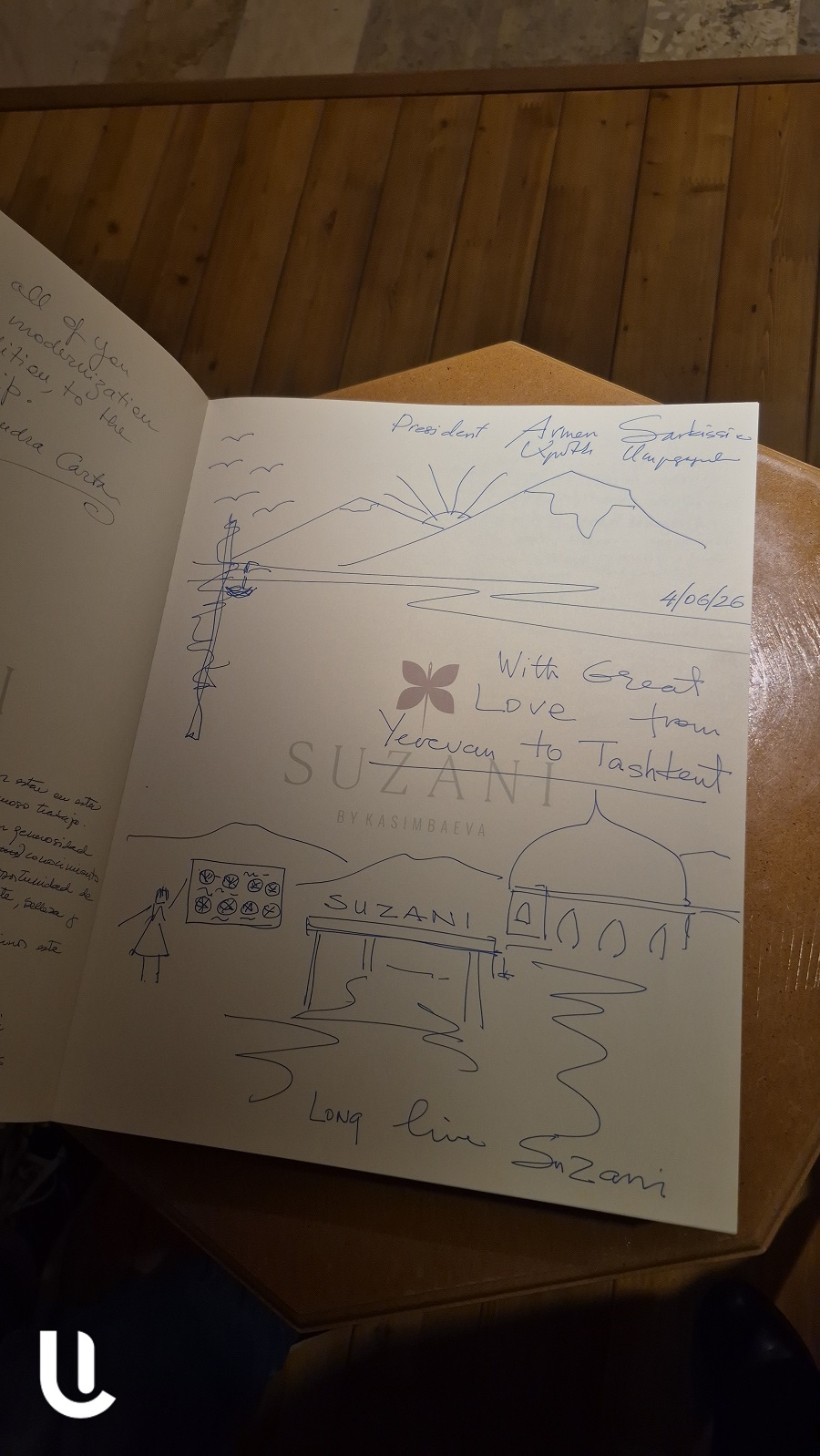
It was here that Madina’s brother showed us the example of Armenian-Uzbek friendship he had promised: an inscription by Armenia’s fourth President, Armen Sarkissian, in the centre’s guestbook. The President had drawn Mount Ararat and the dome of the Suzuk Ota complex in Tashkent, adding the words: “With great love, from Yerevan to Tashkent. May suzani live long!”
The impressions I took away from the centre will warm my heart for a long time. Yet a note of bitterness refuses to leave me in peace, and I keep wondering: what will become of Armenia’s rich embroidery heritage and traditions?
At a time when a joint application by Uzbekistan, Kazakhstan and Tajikistan to inscribe kashtachilik, the traditional art of embroidery, on UNESCO’s Representative List of the Intangible Cultural Heritage of Humanity is under consideration, and Uzbekistan’s President is providing substantial support to one family to help preserve and carry forward the country’s embroidery traditions, the situation with Armenia’s own heritage is troubling.
Aintab embroidery has already been included by UNESCO in Turkey’s Intangible Cultural Heritage List. Meanwhile, only a handful of dedicated individuals in Armenia are trying to take steps to preserve and safeguard the traditions of Aintab embroidery and Armenian embroidery heritage more broadly.
And once again, I recall the advice of art historian Hrazdan Tokmanjian: “If the subject hurts you, if the Aintab issue hurts, then I hope that at least this pain will inspire our people to do something about Marash embroidery…”․
Marine ALEKSANIAN