














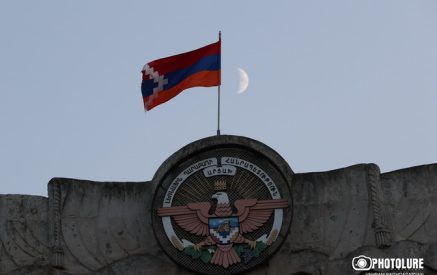


In 1977, constitutional reforms took place in the USSR. Institutions, enterprises, collectives, individuals, and others submitted their proposals regarding the draft amendments to the USSR Constitution. Numerous proposals were also submitted from Artsakh.
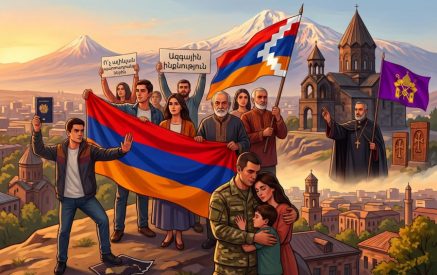
As a result of summarizing the submitted proposals regarding the Azerbaijan-Artsakh conflict, the session of the Presidium of the Council of Ministers of the USSR, exactly 49 years ago on this very day—November 23, 1977—recorded the following: “Due to a number of historical circumstances, several decades ago Nagorno-Karabakh was artificially annexed to Azerbaijan. In doing so, the historical past of the region, its ethnic composition, the will of the people, and economic interests were not taken into account. Decades have passed, and the issue of Karabakh continues to be raised, causing anxiety and moments of animosity between two neighboring peoples bound by centuries-old friendship. It is necessary to unite Nagorno-Karabakh (in Armenian, ‘Artsakh’) with the Armenian SSR. Then everything will fall into its rightful place.”
Unfortunately, in practice, the USSR leadership left this proposal unanswered.
If the leadership of the USSR had demonstrated statesmanship and, through formal documentation, removed Nagorno-Artsakh from Soviet Azerbaijan and reunited it with Soviet Armenia—just as it had been prior to the adoption of the illegal decision by the Caucasian Bureau of the Central Committee of the Communist Party of Soviet Russia on July 5, 1921—then perhaps we would not have suffered thousands of casualties, the wounded, displaced people, ruined lives, and the nightmare that the Armenian people have gone through and continue to endure.
Read also
STEPAN HASAN-JALALYAN
Political Scientist