






































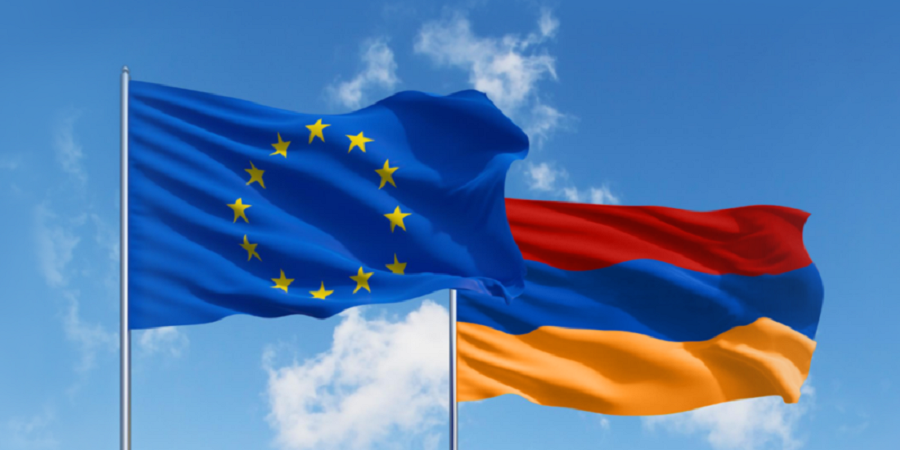
The Council today agreed to introduce temporary trade-liberalisation measures for Armenian products to support Armenia’s economy following trade restrictions recently imposed by Russia. These measures will liberalise around 80% of Armenian exports to the EU. This preferential arrangement comes with certain conditions and also includes safeguard measures to protect the EU market if imports adversely affect EU producers.
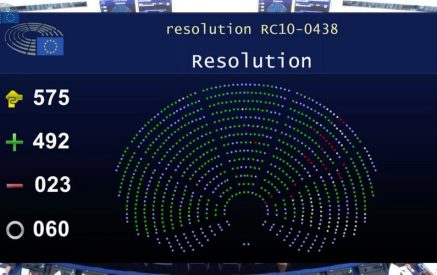
The Council endorsed the Commission proposal without changes, clearing the way for the regulation to be swiftly adopted after the European Parliament is also expected to approve the proposal without amendments.
“Europe stands with Armenia and its people, who have chosen a clear path for reform and closer cooperation with the European Union. Today’s decision sends a clear message: when faced with economic coercion, the EU will respond. We will create new opportunities and stand with our partners.” – Helen McEntee, Minister for Foreign Affairs and Trade of Ireland.
The regulation introduces a temporary suspension of import duties for a broad range of Armenian products, including selected agricultural products subject to tariff-rate quotas. The measures will apply for two years from the regulation’s entry into force and will cover almost 99% of Armenia’s exports of fresh fruit, vegetables and plants to Russia and more than 91% of beverages and spirits.
Read also

The proposed regulation is intended to support Armenia after trade restrictions imposed by Russia have disrupted Armenian exports and transit routes. It also aims to strengthen EU-Armenia trade relations in line with the Comprehensive and Enhanced Partnership Agreement (CEPA).
The preferential arrangements remain conditional on Armenia complying with the applicable rules of origin, engaging in administrative cooperation with the EU, refraining from introducing new trade restrictions on EU imports and respecting the essential elements of the CEPA, including democratic principles, the rule of law and human rights.
Next steps
The European Parliament is expected to adopt its position without amendments during its September plenary session. Once that position is formally adopted, the Council will approve it and the regulation will be adopted, entering into force on the day following its publication in the Official journal of the EU.
Council of the EU