















































Uchealth.org. A new pancreatic cancer drug is offering hope for patients with this deadly disease after clinical trial data showed that daraxonrasib nearly doubled survival rates for study volunteers.
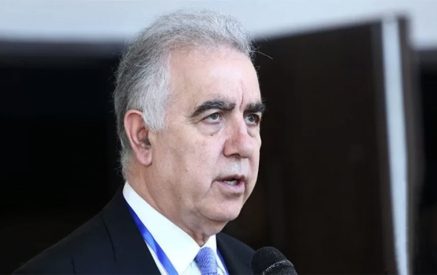
The lead investigator for the daraxonrasib clinical trial, Dr. Brian Wolpin, received a standing ovation from normally reserved researchers and doctors when he presented the “game-changing” study findings during the 2026 American Society of Clinical Oncology annual meeting in Chicago on May 31.
While cancer doctors and researchers have made great gains in finding new cures for other cancers, pancreatic cancer has been a stubborn and deadly foe. It’s the third-leading cause of cancer deaths in the U.S. and kills nearly 53,000 people each year.
On May 1, medical experts at the U.S. Food and Drug Administration greenlit daraxonrasib for expanded access, and the drug appears to be on a fast track to full approval later this year. Daraxonrasib targets KRAS mutations, which drive the vast majority of pancreatic cancers.
Read also


AI is coming into play in both early detection and studies that characterize pancreatic cells and the environments in which they thrive, with the aim of finding vulnerabilities that future therapies can exploit. And there may even be potential for pancreatic cancer immunotherapies, a recent study indicates.
When daraxonrasib could become widely available
The FDA granted Breakthrough Therapy and Orphan Drug designations quickly, and daraxonrasib is now permitted via the FDA’s expanded access treatment protocol. That makes the drug available to pancreatic cancer patients who have already gone through chemotherapy, but requires that the prescribing oncologist request permission from Revolution Medicines prior to giving it to patients.
The timing of full approval is unknown, but sometime later in 2026 is possible should no unfortunate surprises emerge in the meantime.
Daraxonrasib is also being studied for other solid-tumor cancers, and preliminary results look promising. There are also several trial arms that give advanced pancreatic cancer patients daraxonrasib as a first-line treatment alone (instead of standard chemotherapy), or in combination with standard chemotherapy, to measure the efficacy.
Read more at the source