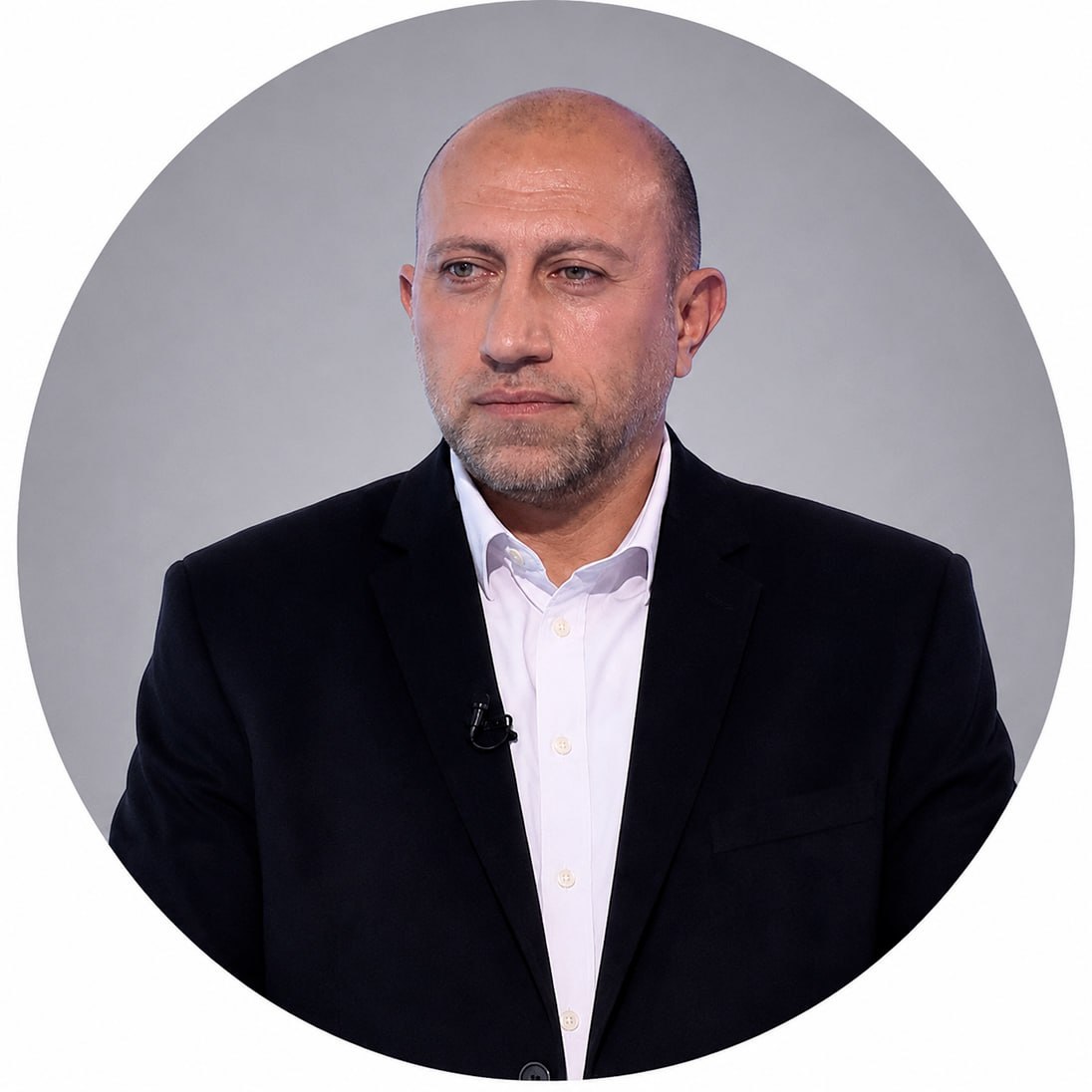



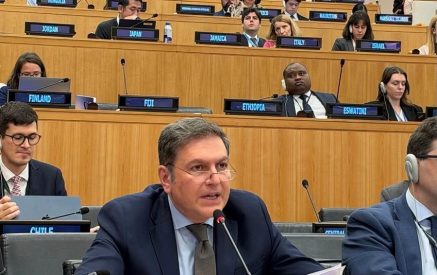
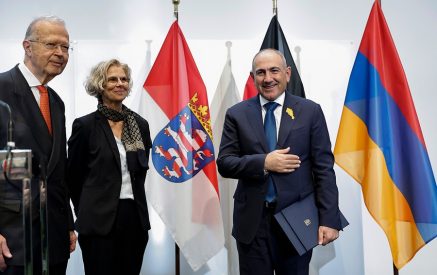
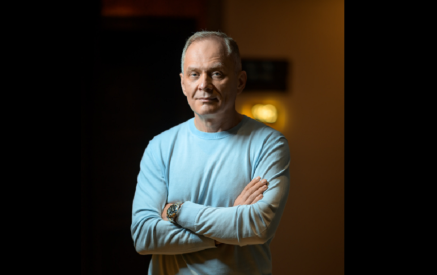







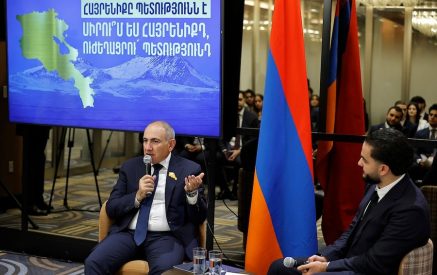
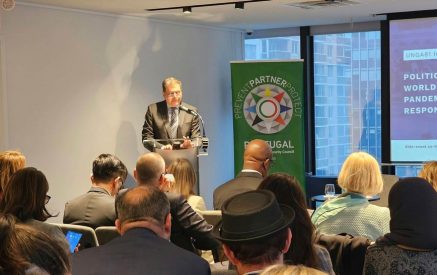

Ruben Rubinyan, the Speaker of Armenia’s Parliament, says he made a personal commitment to do everything possible to prevent a situation in which Turkey would once again find itself at war against Armenia. He cites this as the reason why he accepted the role of Armenia’s special envoy in the Armenian–Turkish normalization process.
It is, of course, an interesting statement. And, certainly, a rational one. The whole question, however, is that before Ruben Rubinyan and his political leader came to power, all previous Armenian governments had ensured precisely such a situation — one in which Turkey would not join a war against Armenia.
For example, even during the four-day April war of 2016, when Azerbaijan launched an attack, Turkey did not intervene. There were, of course, many reasons why such intervention did not take place, but the fact remains: it did not happen.
In 2020, however, when Ruben Rubinyan was already part of the ruling political force, and his leader — Nikol Pashinyan, who later appointed Rubinyan as Armenia’s special envoy for the Armenian–Turkish process after the 44-day war — was in power, Turkey not only intervened in the war against Armenia but, in essence, assumed command of it.
Read also
So why did things turn out this way? Who was responsible? Did Ruben Rubinyan ever try to find out?
Of course, there has been a “sacred” answer presented to the public: Russia was responsible; the Russian–Turkish alliance was responsible for that war.
But if the Russian–Turkish alliance was responsible for the war, was it also the Russian–Turkish alliance that appointed Ruben Rubinyan as Armenia’s special envoy for Armenian–Turkish normalization?
At the very least, it is difficult to convince any reasonable person that the 44-day war was brought upon Armenia and Artsakh by a Russian–Turkish alliance, and that afterward Nikol Pashinyan appointed Ruben Rubinyan as a special envoy essentially to dismantle that very alliance.
Therefore, Rubinyan needs to make a choice: either he is merely political window dressing in what is called the Armenian–Turkish normalization process, or the claim that the Russian–Turkish alliance started and ended the 44-day war is a political manipulation that has been presented to the public for six years.
The best possible outcome, of course, would be for Armenian society to finally have the opportunity to examine the causes and course of that war — as well as the developments that followed — through a comprehensive, multi-faceted investigation.
Or at the very least, the public should have been given access to the report prepared by the parliamentary commission on this issue — a report that, for reasons unknown, was sent to the archives immediately after its completion instead of being presented to the public.
Hakob BADALYAN