




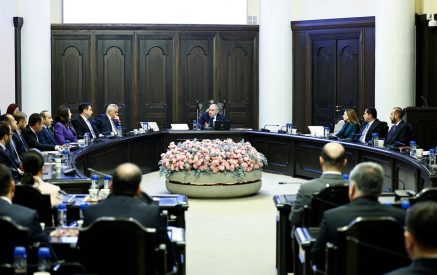



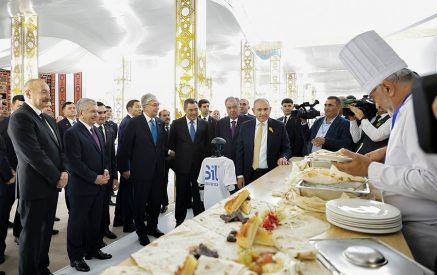


























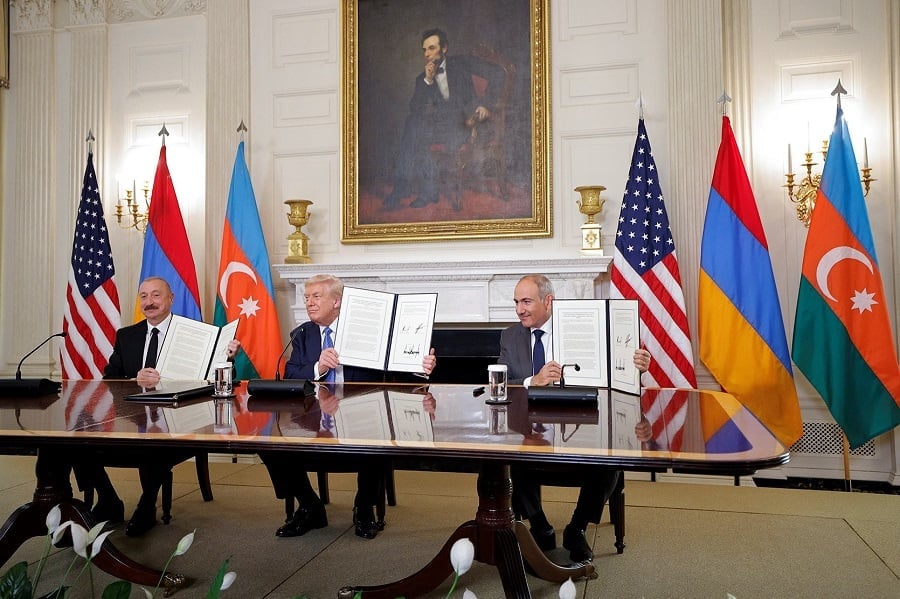
Mirrorspectator – In recent days, the central topics of discussion in Armenia’s political sphere have been the agreements reached between Armenia and Azerbaijan with US mediation, the first anniversary of those agreements, and the phone conversation between the prime minister of Armenia and the presidents of the United States and Azerbaijan.
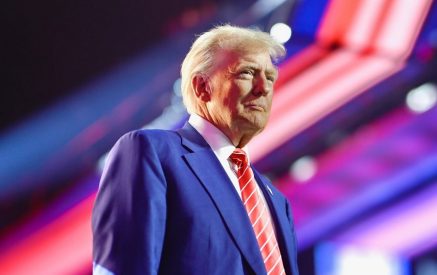
In fact, the Trump administration has achieved in the South Caucasus something that no previous US administration has managed to accomplish since 1991. This concerns the idea of connecting Central Asia to Europe through the South Caucasus and the Middle Corridor, as well as the prospect of integrating Armenia into global supply chains. The initiative has strategic significance for Washington because it creates uninterrupted transportation and communication routes that bypass Russia, China, and Iran. The concept itself is not new, but it has never before reached this stage of implementation.
What will happen to Armenia if the TRIPP project is not implemented?
Azerbaijan has declared repeatedly that, regardless of everything, it wants to have its own connection with Nakhichevan, and Armenia should provide it with a corridor to establish that connection, since the American initiative would otherwise not be possible to implement.
Read also
The second possible scenario is that Russia may try to become a mediator in this process, relying on the November 9, 2020 trilateral statement, according to which Russia undertook to ensure the connection between Azerbaijan and Nakhichevan through Armenian territory and to ensure its security.
Of course, other mediators may also emerge — countries that can exert influence over both Azerbaijan and Armenia. For example, Turkey or China may seek to act as mediators and implement the project themselves if, for whatever reason, the United States is unable to implement this project in the short term.
Overall, it appears that Washington is eager to move forward with the project as quickly as possible and within the shortest feasible timeframe.
The rationale is clear: the Trump administration wants to see the project implemented while both Iran and Russia remain preoccupied with their own challenges, and while Donald Trump is still president of the United States. For this reason, Washington will most likely double down on its efforts and devote even greater resources to advancing the project. It is likely that, in the coming period, clear signs of increased American activity will emerge, accompanied by a more concerted effort to bring the project to fruition.
Suren Sargsyan
Read more at the source