





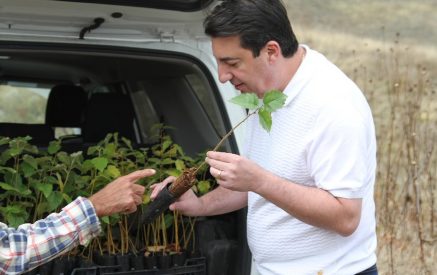



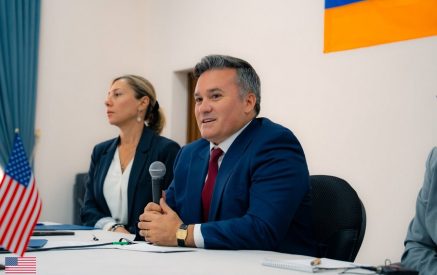

Standing at Khor Virap, beneath the shadow of mountain Ararat, coach Johnny Mouradian found himself reflecting not only on Armenia’s ancient Christian heritage, but also on what that heritage means for Armenians around the world.
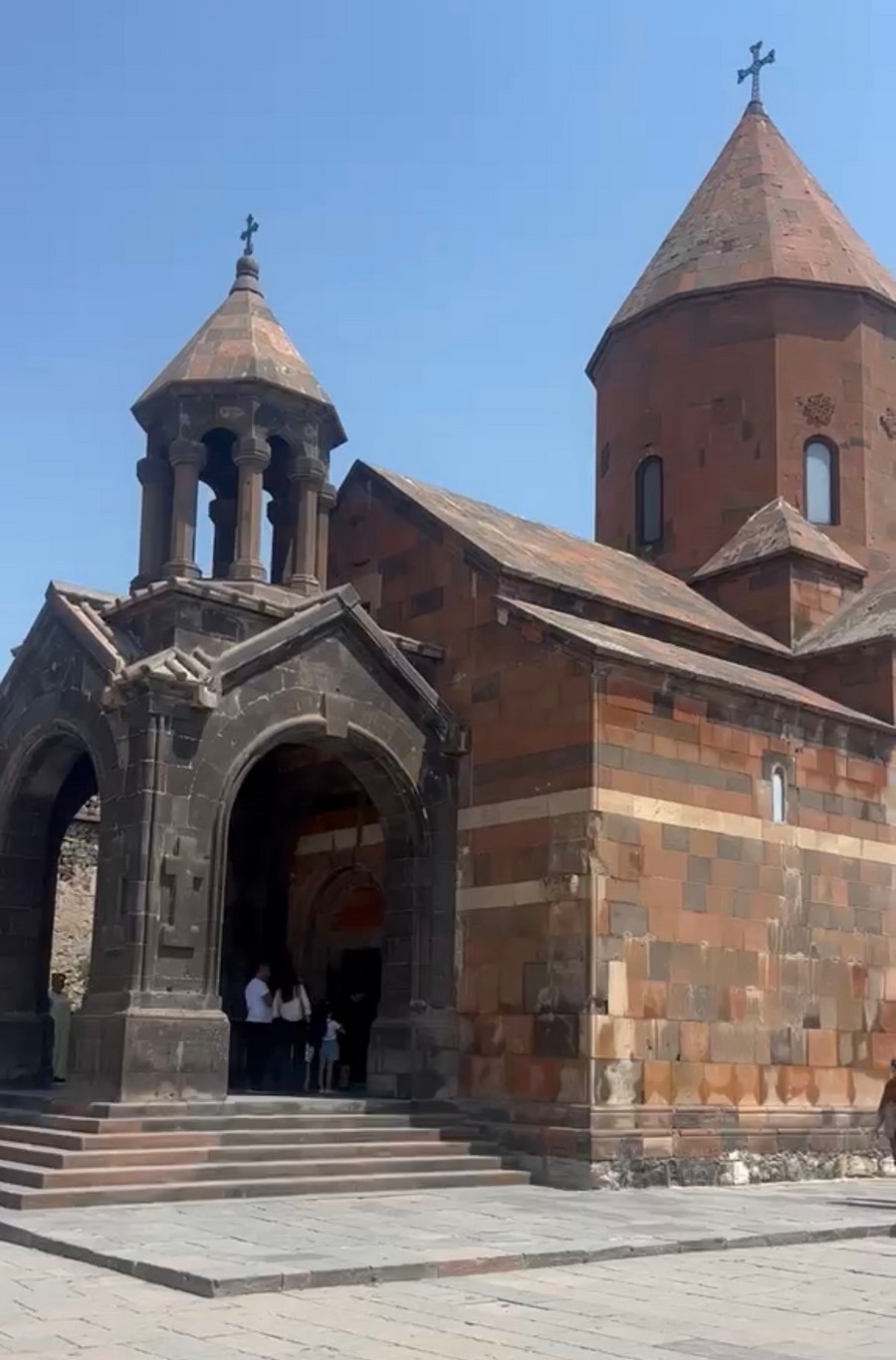
On the fifth day of his mission in Armenia, Johnny Mouradian, co-founder of the Armenian Lacrosse Federation, visited the historic monastery of Khor Virap, cradle of Christianity as part of his biblical road trip to Armenia.
“It is spectacular that so many people around the world are coming to this special place,” Mr Mouradian told Aravot.am, describing the experience as deeply moving.
Read also
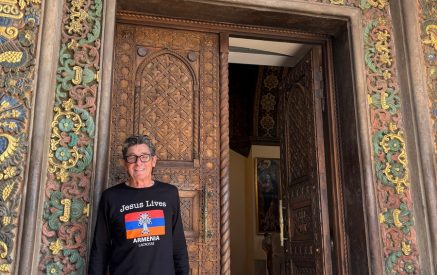
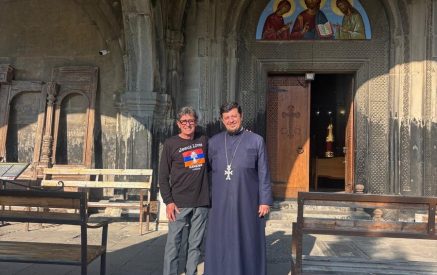
What struck him most was the diversity of the visitors. “There were all kinds of special people from different parts of the world,” he recalled. “You look around and there were not only Armenians. When you listen to people talking, they are all from different countries. It was amazing to see that it is that important for people to come and visit.”
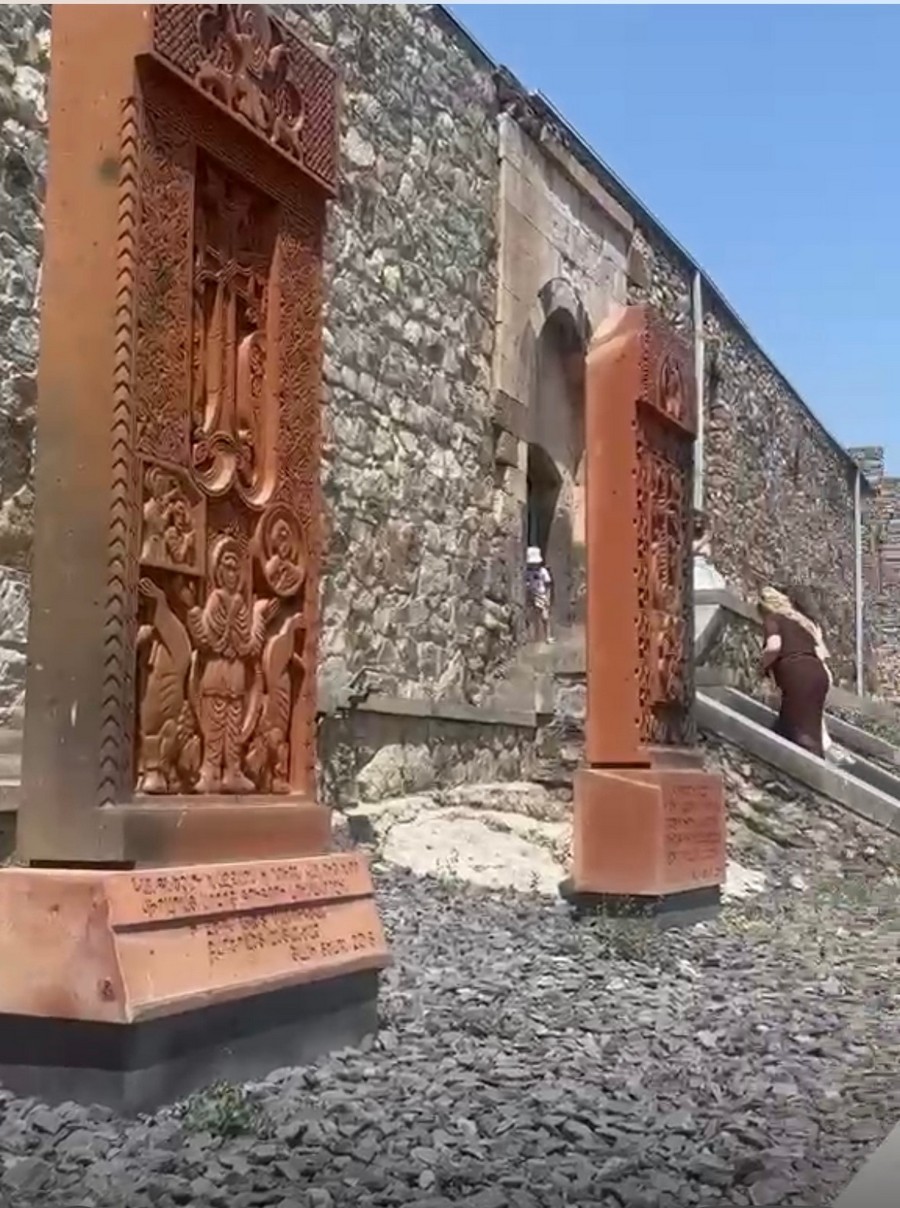
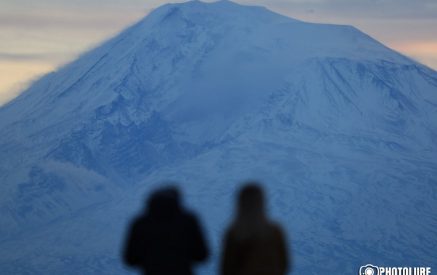
For coach Johnny, the visit carried a personal sense of history. He remembered being at Khor Virap more than three decades ago. This time, however, the experience felt different. As he walked toward the monastery, mountain Ararat gradually appeared through the haze.
“It is very moving,” he said. “As you walk up, you start to see mountain Ararat. It was a little hazy”.
The deeper impression came from seeing people from around the world drawn to a place so central to Armenia’s Christian story.
Khor Virap is traditionally associated with c who, according to Armenian Christian tradition, was imprisoned there before becoming instrumental in the conversion of Armenia to Christianity. For coach Johnny, that history brought to mind the Armenian church community in St. Catharines, where he grew up.
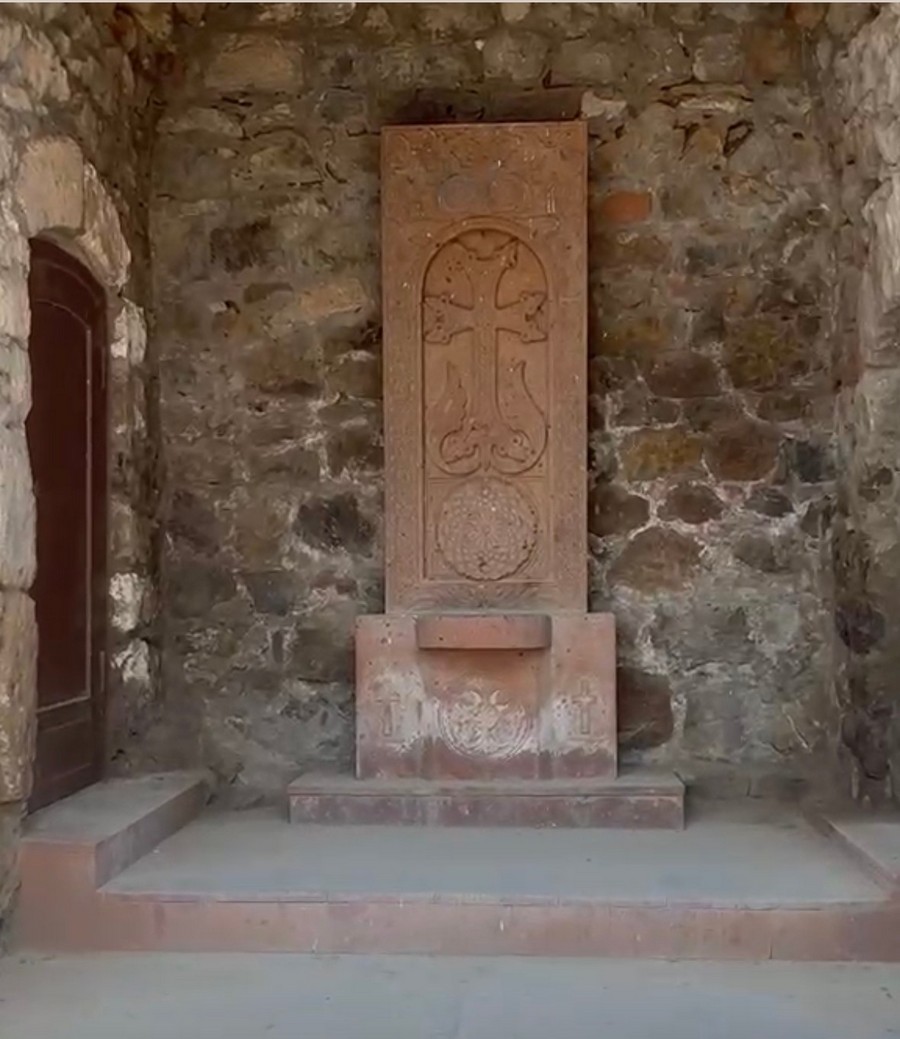
On the fifth day of his journey, coach Johnny reflected on Matthew 16, where Jesus asks His disciples a question that has echoed through Christianity for centuries:
“Who do people say the Son of Man is?”
The disciples respond with the names of John the Baptist, Elijah, Jeremiah and other prophets.
Then Jesus asks the more personal question:
“But who do you say that I am?”
Simon Peter answers:
“You are the Messiah, the Son of the living God.”
Jesus tells Peter that this revelation did not come from “flesh and blood,” but from the Father in heaven. He then declares: “You are Peter, and on this rock I will build my church and the gates of Hades will not prevail against it.”
For Mr Mouradian, the passage resonates beyond personal faith. It speaks to the responsibility of a generation to protect what was entrusted to it. That concern has become increasingly important to him as he reflects on the Armenian church and Armenian communities throughout the world.
Generation after generation, Armenians who settled far from their homeland made enormous sacrifices to build churches and preserve their traditions. “They sacrificed, they raised money, they had to build a church, and they did it for us, for the next generation,” Mr Mouradian said.
His message is both simple and urgent. “So we can’t let them down”. For Mr Mouradian, the future of Armenian identity is closely connected to the future of Armenian churches. “Because if we don’t go to church, then churches will be closed,” he said. “And the next step will be that we lose our heritage and identity.”
His appeal is not limited to those who already attend church. It is an invitation to bring someone else, friend or family member along-to make faith and community something shared rather than something experienced alone.
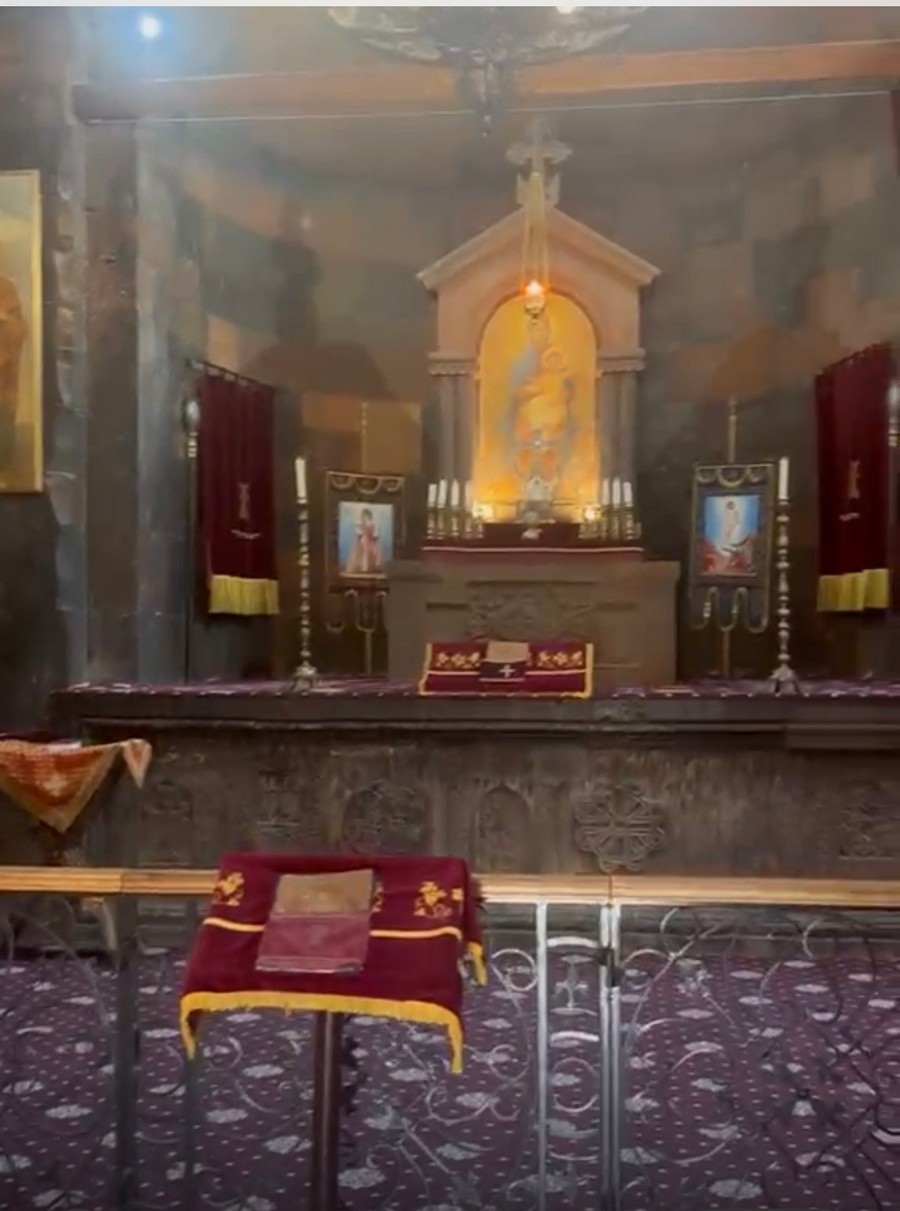
At Khor Virap, Mr Mouradian saw people from across the world making the journey to a place that represents the beginning of Armenia’s Christian story. His conclusion is that Armenians, wherever they live, should make their own journey back to the church.
His message, as always, is direct: “Bring a friend to church. Bring a family member to church this Sunday and every Sunday. Join the movement.”
From Khor Virap to communities around the world, the message is the same: what previous generations sacrificed to preserve must now be carried by the next generation. And sometimes, preserving a heritage begins with something as simple as walking through the doors of a church-together.
Tatev HARUTYUNYAN