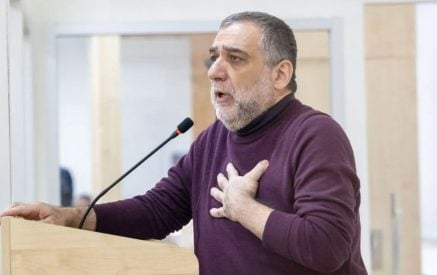











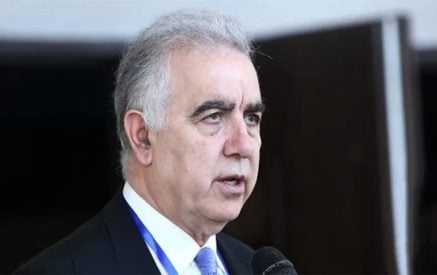






Message of Hovik Avanesov, Ombudsman for the Cultural Heritage of Artsakh, Vice-President of the “National” Historical-Cultural NGO
On the Occasion of the International Day for Monuments and Sites
Dear compatriots, esteemed international partners,
On April 18, the world marks the International Day for Monuments and Sites, established at the initiative of the International Council on Monuments and Sites (ICOMOS) and approved at UNESCO’s 22nd General Conference in 1983. This day is intended not only to recognize the value of humanity’s cultural heritage, but also to raise awareness of the crimes committed against it, which often remain unpunished.
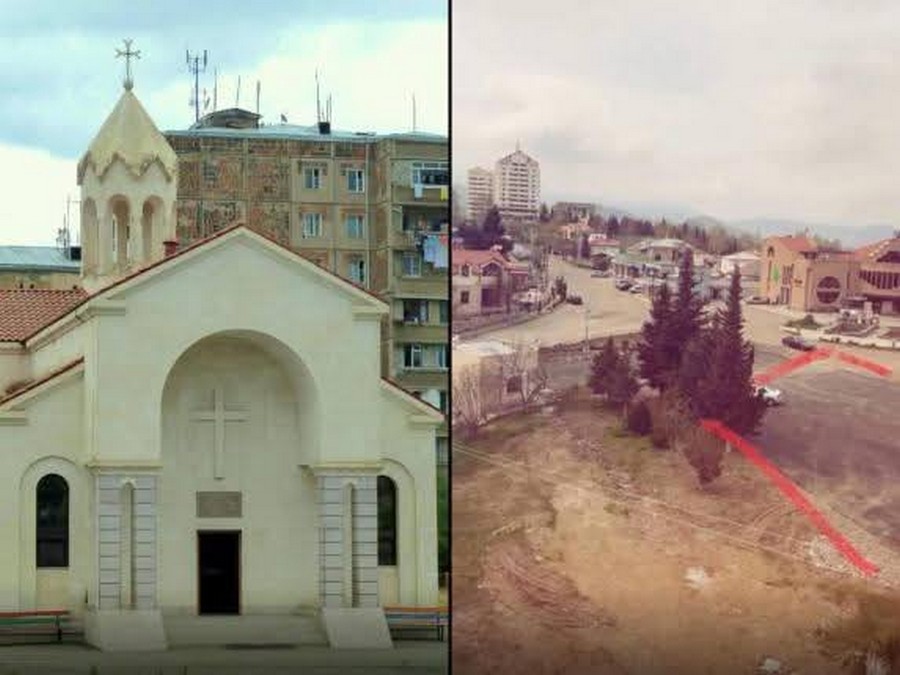
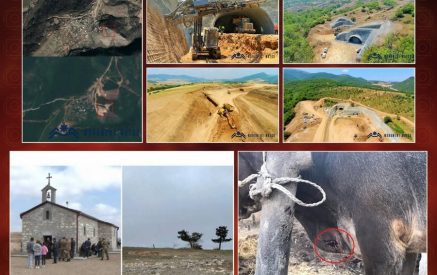
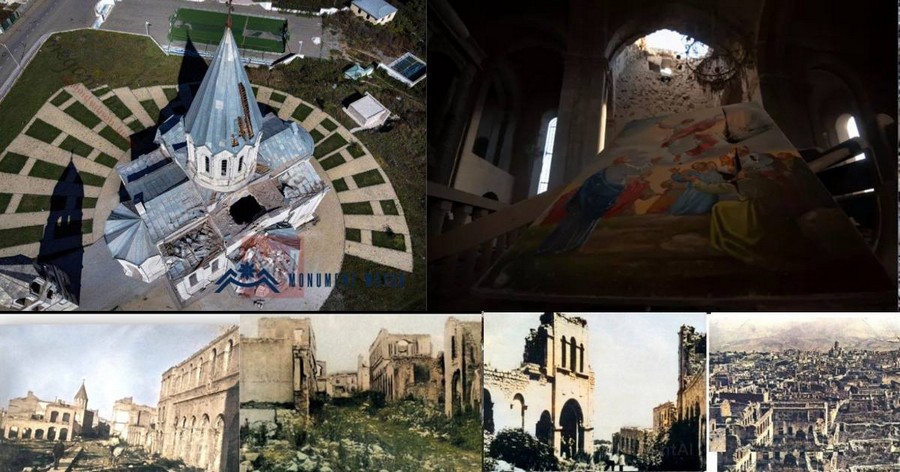
The cultural heritage of Artsakh constitutes an inseparable part of universal human civilization. The churches, monasteries, khachkars, fortresses, and settlements created over centuries are not only testimonies to Armenian identity, but also treasures of world cultural value. However, today we are confronted with the bitter reality that this heritage is being systematically subjected to destruction.
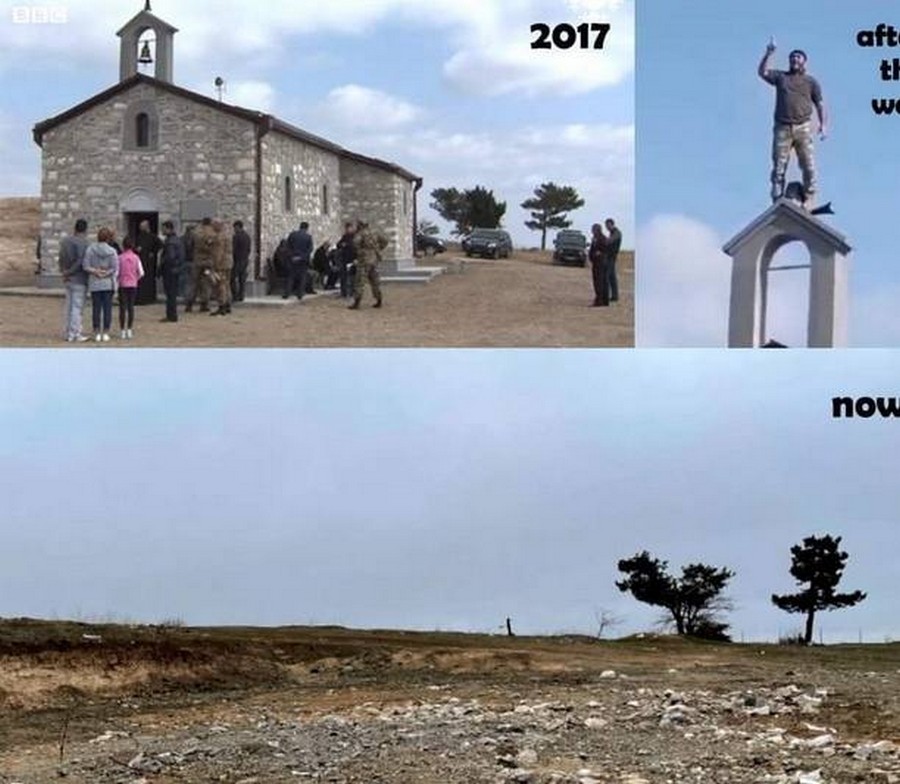
It must be clearly stated that since 1918, the artificial formation known as Azerbaijan has pursued a consistent policy of cultural genocide both in Artsakh and in Nakhichevan. Over the decades, thousands of monuments have been destroyed — churches, khachkars, cemeteries, and historical complexes that possessed not only national but also universal significance. This policy has not been accidental or isolated; it has been deliberate, systematic, and aimed at the complete eradication of an entire cultural heritage.
Read also
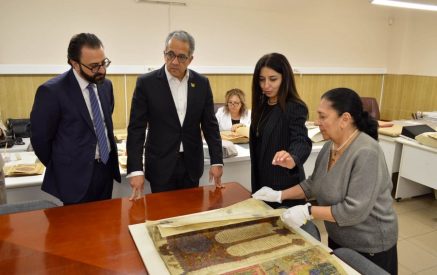
The totality of these facts testifies to a reality that the international community cannot ignore. The deliberate destruction of cultural values, the distortion of history, and attempts to appropriate heritage contradict all the principles of the civilized world. When a state systematically destroys cultural assets, this characterizes its attitude not only toward other peoples, but also toward world civilization as a whole.
Today, more than ever, it is necessary for international institutions and the professional community to demonstrate a principled position. The destruction of cultural heritage cannot be regarded as part of a political dispute; it is a crime against humanity that requires a clear response and preventive mechanisms.
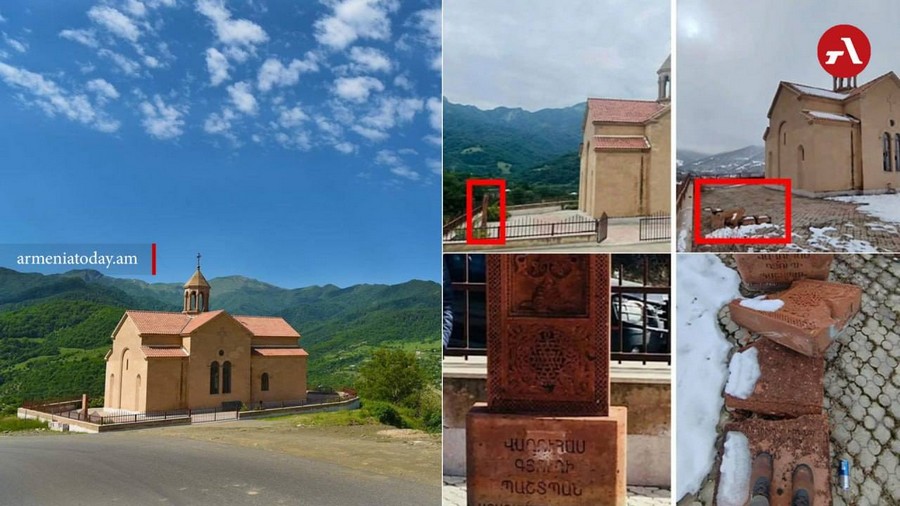
We call for all cases of destruction of the cultural monuments of Artsakh and Nakhichevan to be documented, assessed, and presented on international platforms, ensuring their legal and professional evaluation. Practical steps must be taken to guarantee the preservation of the remaining monuments.
May this day become not only a day of remembrance and appreciation, but also a day of advocacy and accountability. Cultural heritage is the collective memory of humanity, and any encroachment upon it is a blow to our common future.