





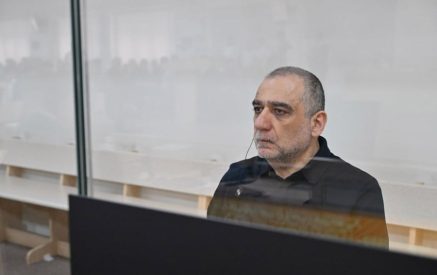

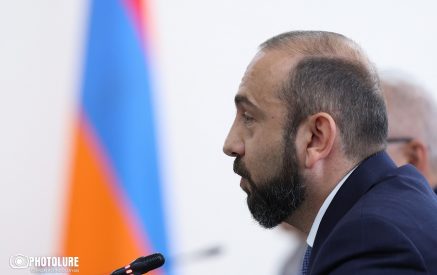

























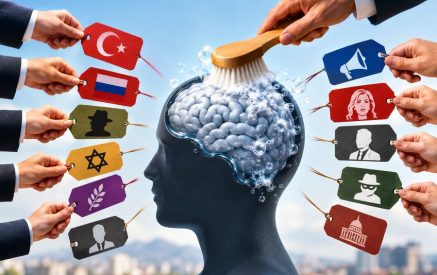

It is clear that Pashinyan is keen to prevent the “Strong Armenia” alliance—as well as other opposition forces—from being registered for the upcoming elections, in order to secure his continued hold on power. To that end, the repressive apparatus at his disposal is already being used—and will continue to be used—to carry out the most blatant abuses.
It is equally clear that this level of cruelty, which goes beyond basic human understanding (particularly the punitive actions taken against Davit Minasyan and Gohar Ghumashyan), will be welcomed by members of Civil Contract, their paid propagandists, and Nikol supporters blinded by hatred—incidentally, many of them women. I have no desire to repeat what they write and say; this is an old story about what separates human beings from those who have lost their humanity. Unfortunately, throughout history—and especially in the 20th century—we have seen numerous cases where “the masses” justified cruelty. During Stalin’s time, for example, millions reassured themselves with the comforting formula: “People in our country are not imprisoned without reason.”
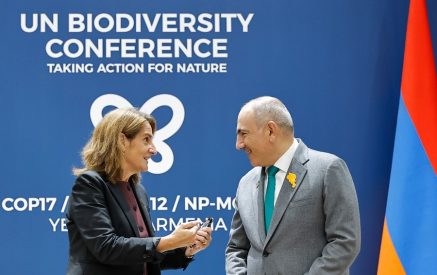
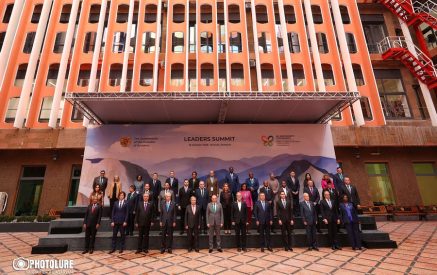
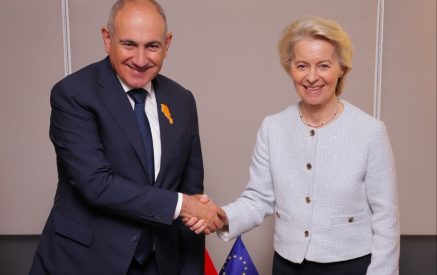
Representatives of the so-called “civil society” in Armenia today have likewise taken on the role of justifying repression. There is nothing surprising about that either. NGOs largely depend on Western grants for their existence. And in order to justify those grants, instead of promoting democracy, humanism, and solidarity, they applaud brutal repression. It is my impression that even if Pashinyan were to execute 10,000 people, Ursula von der Leyen and Kaja Kallas would walk through pools of blood to come and kiss the forehead of their protégé.
Intellectuals, too, for the most part remain silent about arbitrariness and repression. Some have even been co-opted by the authorities. At the risk of sounding immodest, one is more likely today to find advocates of European humanism and democracy among lawyers and journalists.
Read also

Aram ABRAHAMYAN