





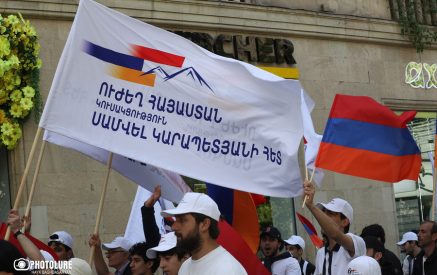


















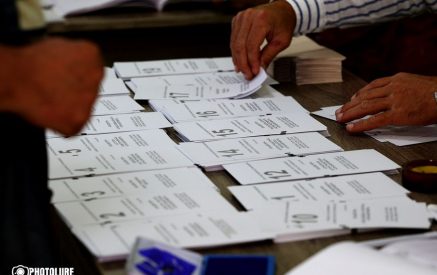
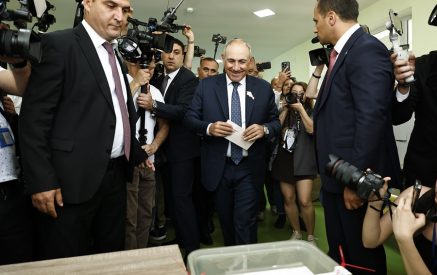
The decision by the opposition alliances Strong Armenia and Armenia Alliance to take up their parliamentary mandates continues to spark debate across different segments of Armenian society, drawing mixed reactions. I have addressed this issue on several occasions, arguing that parliamentary mandates are a political instrument, and that refusing to assume them would not be a rational political choice. Of course, obtaining the mandates is only the starting point. Ultimately, everything will depend on what follows: sustained, comprehensive, and wide-ranging engagement with society—but not with society alone.
There is, however, one important aspect that has received virtually no attention. Parliamentary mandates also create opportunities for conducting foreign policy. The office of a member of parliament—the holder of a representative mandate vested by the state—is a public office. In this regard, it makes no difference whether a political force sits in the parliamentary minority or how many seats it holds. A parliamentary mandate carries state authority, and the state itself is a subject of international law. Consequently, every member of parliament possesses a certain degree of international legal standing. How effectively that standing is used depends entirely on the quality of the political work.
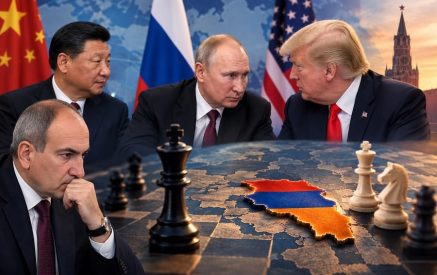
For Armenia, foreign policy is far more than just another area of governance. Owing to a combination of objective and subjective factors, developments inside the country are profoundly shaped by external realities, international developments, and the policies and attitudes of foreign actors.
Yet despite this reality, foreign policy has long remained a secondary concern for Armenia’s opposition. Opposition forces have largely confined themselves to commenting on and assessing the relationship between the government and international actors, rather than acting as independent political players with their own foreign policy agenda, substantive proposals, and the capacity to engage directly with international partners.
Read also

This is a long-standing gap that Armenia’s opposition must finally address. It should engage with international actors not merely as a critic of the government, but as a political force capable of generating its own foreign policy agenda and advancing it through meaningful dialogue. Parliamentary representation provides an important institutional foundation for exactly that.
Hakob BADALYAN