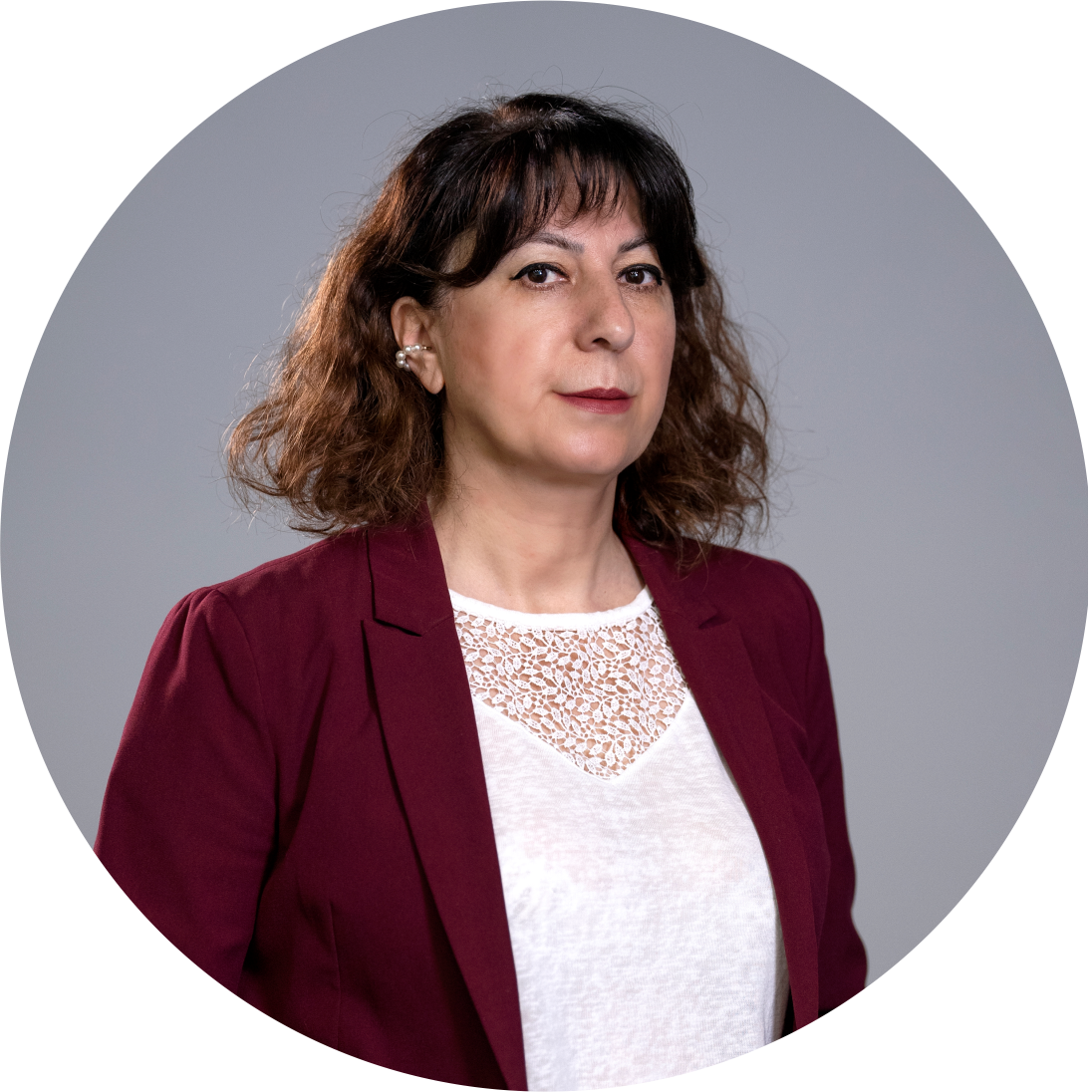




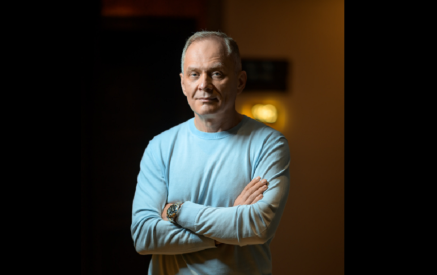












Siranush Sahakyan said that at the moment, there are still 38 captives left in Azerbaijan, and according to the fact-finding efforts of her team, there are 80 captives whose existence is not confirmed by Azerbaijan
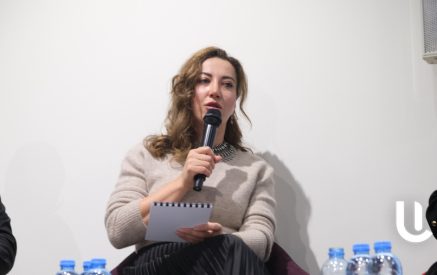
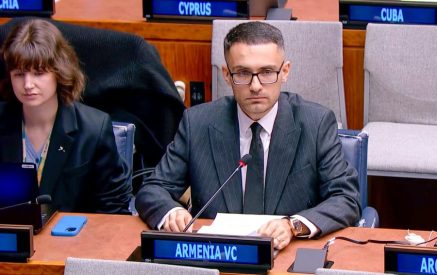
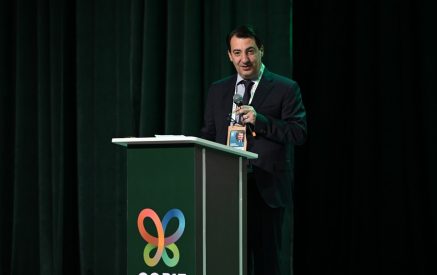
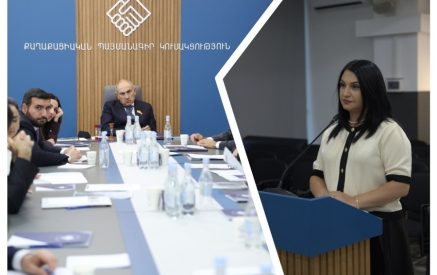
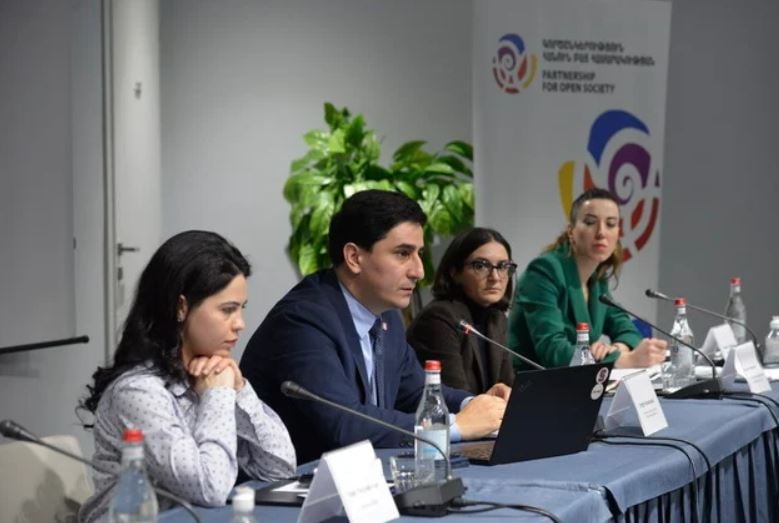
Siranush Sahakyan, a human rights activist representing the interests of Armenian prisoners of war in Azerbaijan at the European Court of Human Rights, was present at the discussion on “Armenian hatred in Azerbaijan and the danger of ethnic cleansing in Artsakh” on March 2. According to her, anti-Armenian propaganda is encouraged at the highest level in Azerbaijan. “An image of a hero was created in Azerbaijan through Safarov. This is the image that beheaded an Armenian in the country or abroad. This is the result of Hungary’s decision to cooperate with a corrupt, authoritarian regime and extradite Safarov.
This suggests that the international community is not restraining Azerbaijan, on the contrary, by easily cooperating with it, it is creating new preconditions for Azerbaijan to continue its anti-Armenian behavior,” said Siranush Sahakyan. The human rights activist stated that the discriminatory attitude became more acute during the war, when the tension was greater. In this regard, she reminded that during the war, they witnessed many hostilities against both the civilian population and prisoners of war, and prisoners of war, from the point of view of international law, are subjects under special protection.
Read also
“We have several dozen compatriots, mostly elderly, whose historical memory is different from that of our generation. Thinking that they had once lived together with the Azerbaijani people, they decided not to leave their homes, to live under the control of Azerbaijan. The problem is that none of them managed to live. Some of the successful ones were taken prisoner, but they too were tortured, as a result of which they were either killed during the captivity or returned to their homeland in such a state that they died months later. This again suggests that the preconditions for peaceful coexistence are absent.”
Referring to the provisions of the November 9 trilateral statement on prisoners, she noted, “It should also be noted that according to the November 9 statement, not all the prisoners were released. Moreover, Azerbaijan continued to hold the captives under various pretexts, until they were charged with various crimes, such as carrying weapons, terrorism, etc.” Taking into account the fact that the Khtsaberd incident is widely discussed in our society, human rights activist Sahakyan clarified, “Khtsaberd is located in Hadrut.
Hadrut was to be handed over by force of the November 9 statement, but according to the agreement, our troops would continue to be stationed in Khtsaberd, but within the framework of Hadrut’s surrender, Khtsaberd also became a subject of discussion. Here we had 62 prisoners. Some of the 62 prisoners agreed to lay down their arms and return to join the regular army, but others were taken prisoner. Here, too, we have a discriminatory approach. How is it that part of the group is released and the other part is taken prisoner and is still being held?” According to the speaker, the issue of prisoners of war is only used for political purposes. “We see certain patterns, captives return after or before each political process. Prisoners are used to improve relations, often to ‘score points’ in international courts.”
She said that at the moment, there are still 38 captives left in Azerbaijan, and according to the fact-finding efforts of her team, there are 80 captives whose existence is not confirmed by Azerbaijan.
Sahakyan also noted that the efforts of the international community are aimed at the return of the captives confirmed by Azerbaijan, but the fate of the other 80 captives is uncertain. The human rights activist stressed that the European Court of Human Rights has noticed a regularity that the criminal acts committed against Armenians are not even investigated by Azerbaijan; that is, they are not considered crimes. In this regard, according to Siranush Sahakyan, the court directly instructed Azerbaijan to investigate the actions taken against Armenians and to pay special attention to ethnic motives.
Nelly GRIGORYAN