





























Russian presidential spokesman Dmitry Peskov has stated that Moscow disagrees with Baku’s assessments regarding the Ukrainian conflict and considers them incorrect, yet does not see them as posing a threat to bilateral relations. He said Moscow proceeds from a rational assessment of the situation and considers the multifaceted bilateral relationship important.
Peskov made these remarks in response to statements by Ilham Aliyev on the topic of the Ukrainian conflict, made during a media forum held in the occupied city of Shushi, in response to representatives of Kyiv. Aliyev voiced a pro-Ukrainian stance. In fact, however, this is not something new.
Nor is it new that Moscow consistently takes a “pragmatic” approach to assessing any so-called anti-Russian action by Azerbaijan—whether it concerns Baku’s relations with Ukraine or, for example, the detention and sentencing of Russian citizens in Azerbaijan.
The impression is that while Moscow makes a major issue out of every minor metter concerning Armenia, in the case of Azerbaijan it tries to downplay every problem and thus explain its lack of serious attention to them.
Read also
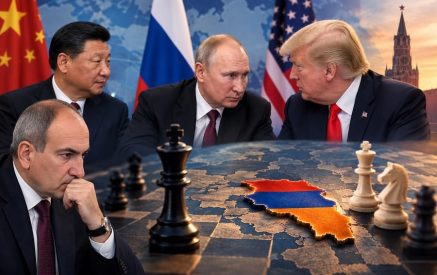
Moscow is not afraid of Yerevan, but is it afraid of Baku? The question may sound overly simplistic, but broadly speaking, it appears to be close to reality. Today, Russia’s dependence on Azerbaijan is incomparably greater than its dependence on Armenia. Moreover, Moscow’s “dependence” on Armenia follows the opposite logic. It may sound strange to many, but today Moscow depends on keeping its relations with Armenia “tense” and problematic.
A good relationship with Armenia would mean responsibility. And responsibility is not merely a moral concept; it is a political category that, in a complex geopolitical environment, requires a significant concentration of resources. From this perspective, Moscow currently faces a problem of balancing its priority areas of responsibility with available resources. The balance is not in favor of resources; therefore, it needs to reduce its areas of direct responsibility, at least until it becomes possible to substantially change the balance of power and the existing situation in areas considered more strategically important.
And the way to reduce responsibility is to increase tensions.
Hakob BADALYAN